"Union Budget instrumental in sailing Bharat towards becoming top global maritime superpower": Sarbananda Sonowal
Feb 01, 2026
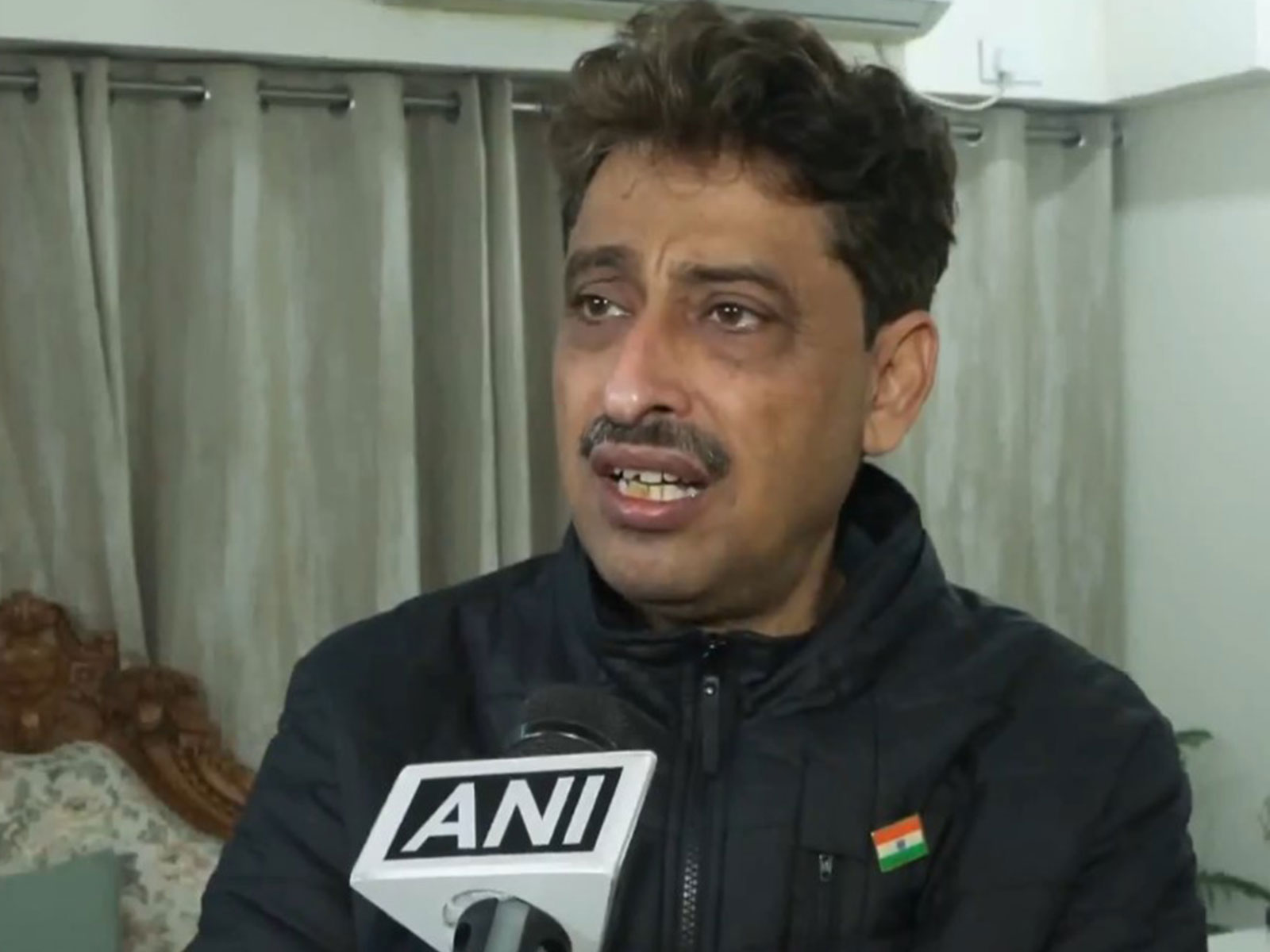
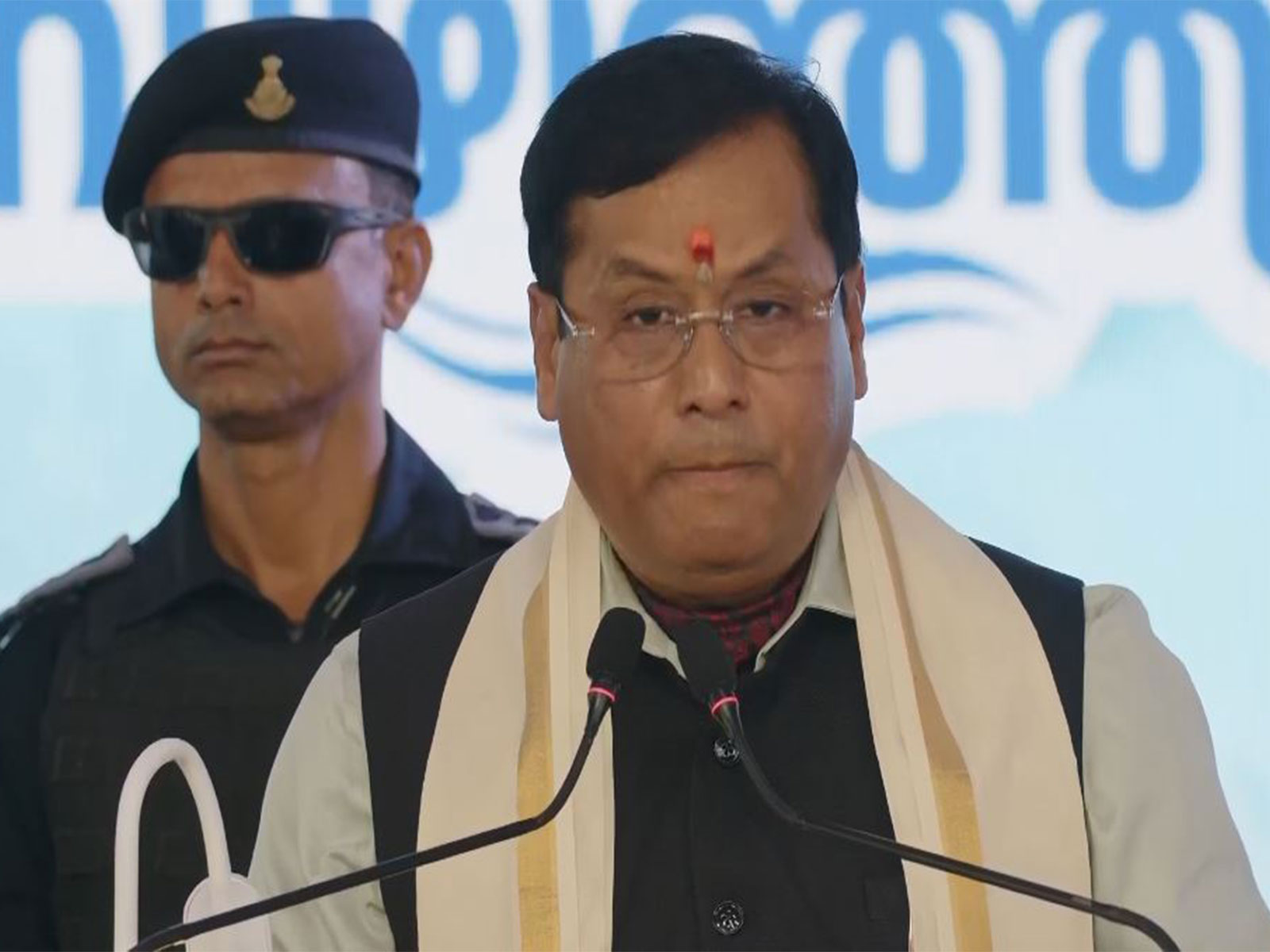
New Delhi [India], February 1 : Union Minister of Ports, Shipping and Waterways Sarbananda Sonowal on Sunday said the Union Budget has provided a powerful thrust to India's economic transformation by accelerating the Reform Express, strengthening the foundations of growth and positioning the maritime sector as the anchor in achieving the vision of Viksit Bharat.
The Union Minister said the Budget reflects the government's commitment to the three Kartavyas -- accelerating and sustaining economic growth, fulfilling aspirations by building capacity, and ensuring inclusive development in line with the vision of 'Sabka Saath, Sabka Vikas'.
"PM Narendra Modi ji's dynamic leadership has resulted in the acceleration of the Reform Express, which is firmly on track as it maintains its momentum to help us fulfil our Kartavya, our duties. This budget enhances productivity, builds economic resilience and ensures that every sector, region and community has access to opportunities for meaningful contribution," Sarbananda Sonowal said.
Sonowal said the Union Budget has clearly positioned the maritime sector as a strategic enabler of India's trade competitiveness, logistics efficiency and long-term economic resilience.
"Maritime sector emerges as a strategic growth engine. The Budget has created an enabling ecosystem that empowers our stakeholders, transporters and industry partners to build capacity, expand operations and grow further," Sarbananda Sonowal said.
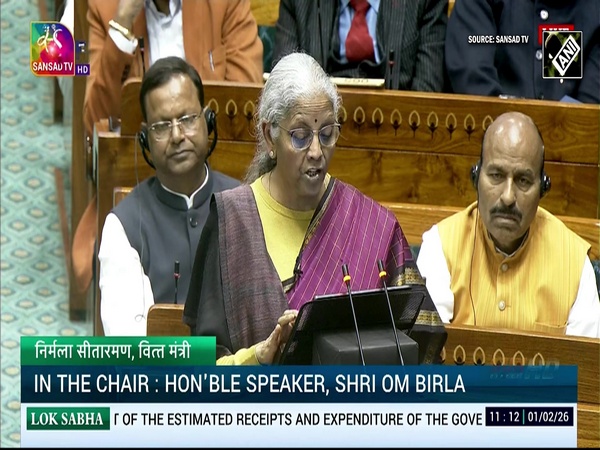
He expressed gratitude to Union Finance Minister Nirmala Sitharaman, who presented her ninth consecutive Union Budget, calling it a testament to policy continuity, reform, stability and women's empowerment.
A major highlight of the Union Budget is the announcement of a Container Manufacturing Assistance Scheme (CMAS) with a total outlay of Rs 10,000 crore over the next five years. The scheme aims to establish a globally competitive container manufacturing ecosystem in India, supporting the rapid growth of containerised cargo, which accounts for nearly two-thirds of the value of international trade.
Under the initiative, India aims to achieve an annual domestic manufacturing capacity of approximately one million TEUs over the next decade. The programme is expected to generate a total market value of nearly Rs 1.07 lakh crore, reflecting a multiplier impact of about eight times the government support. It is also projected to create around 3,000 direct jobs and more than 50,000 indirect jobs, while catalysing the development of ancillary industries such as corner castings, wooden frames, specialised steel and water-based paints, the Ministry of Ports, Shipping and Waterways said.
Sonowal said, "This scheme will build a strong domestic ecosystem capable of meeting the rising demand of containerised cargo and enhancing India's competitiveness in global trade. The scheme represents a transformative step in India's maritime growth journey. With a targeted capacity of one million TEUs annually over the next 10 years and a potential market creation of over Rs 1 lakh crore, this initiative will generate large-scale employment, strengthen ancillary manufacturing and significantly reduce import dependence. Together with the Bharat Container Shipping Line, this marks a decisive move toward maritime self-reliance and a more resilient logistics supply chain for the country."
The Union Budget provides renewed momentum to India's inland waterways revolution. India will operationalise 20 new National Waterways over the next five years, further expanding the national network and enabling greener, cost-effective cargo movement.
Sonowal noted that, while only five national waterways existed prior to 2014, the number has since expanded to 111 under the National Waterways Act. Cargo movement on inland waterways has increased from 18.1 million metric tonnes in 2013-14 to 145.5 million metric tonnes in 2024-25, recording nearly 700 per cent growth with a compound annual growth rate of about 21 per cent. The length of waterways in operation has increased from 2,716 km to more than 5,155 km, easing congestion on road and rail networks.
The Budget announced the launch of a Coastal Cargo Promotion Scheme to incentivise modal shift from rail and road to waterways. Under the scheme, India aims to increase the share of inland waterways and coastal shipping from 6 percent to 12 percent by 2047, supporting lower logistics costs, reduced emissions and enhanced energy efficiency. To strengthen multimodal integration, the Budget proposed the development of new Dedicated Freight Corridors connecting Dankuni in the east to Surat in the west. These corridors will significantly improve port connectivity, cargo evacuation efficiency and industrial logistics. Enhanced integration of waterways with major ports, particularly Paradeep and Dhamra, will further reduce pressure on road and rail transport, ministry said.
The Budget also proposed indigenisation of seaplane manufacturing, along with a Viability Gap Funding scheme to support operations. The initiative aims to improve last-mile connectivity, promote tourism and enhance access to remote and island regions including Andaman and Nicobar Islands and Lakshadweep, it added.
To promote Indian ship ownership, the Budget extended the tax deduction period for units in GIFT IFSC and Offshore Banking Units from 10 to 20 consecutive years within a 25-year span. The sunset clause for customs duty exemption on import of small vessels has been extended until March 2028, while the exemption on large vessels has been permanently removed.
"These measures will encourage Indian flagging, fleet expansion and tonnage growth," Sonowal said.
The Budget places strong emphasis on 'Purvodaya', with focused initiatives for eastern and northeastern India. Key announcements include the development of an East Coast Industrial Corridor, the creation of five major tourism destinations, the deployment of 4,000 e-buses, and a dedicated scheme to develop Buddhist Circuits across Assam, Arunachal Pradesh, Sikkim, and other northeastern states.
Sonowal said these initiatives honour India's rich spiritual heritage while transforming the region into a powerhouse of culture, commerce and connectivity. Sonowal also welcomed the decision to elevate the Tezpur mental health institute into a regional apex body for mental health wellness.
Sonowal said the Union Budget clearly positions waterways, shipping, shipbuilding and container manufacturing as strategic enablers of India's logistics and trade competitiveness. "This Budget is instrumental in propelling Bharat toward becoming a leading global maritime superpower. It balances ambition with inclusion and chooses action over ambivalence and reform over rhetoric," Sonowal said.