UP: Union Minister Jitendra Singh dedicates first-of-its-kind 'Eco-Educational Hub' developed by CSIR-NBRI at Lucknow
Aug 09, 2026
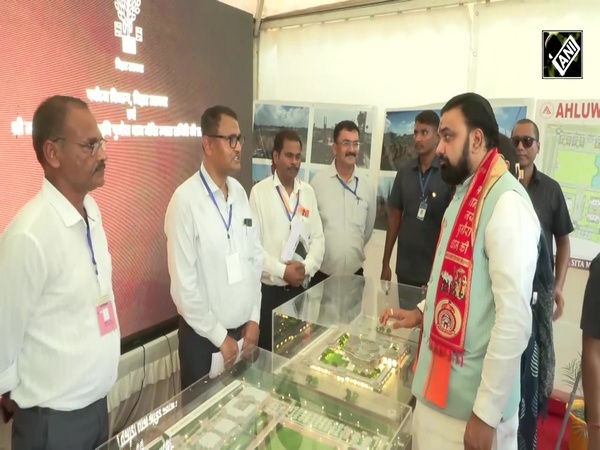
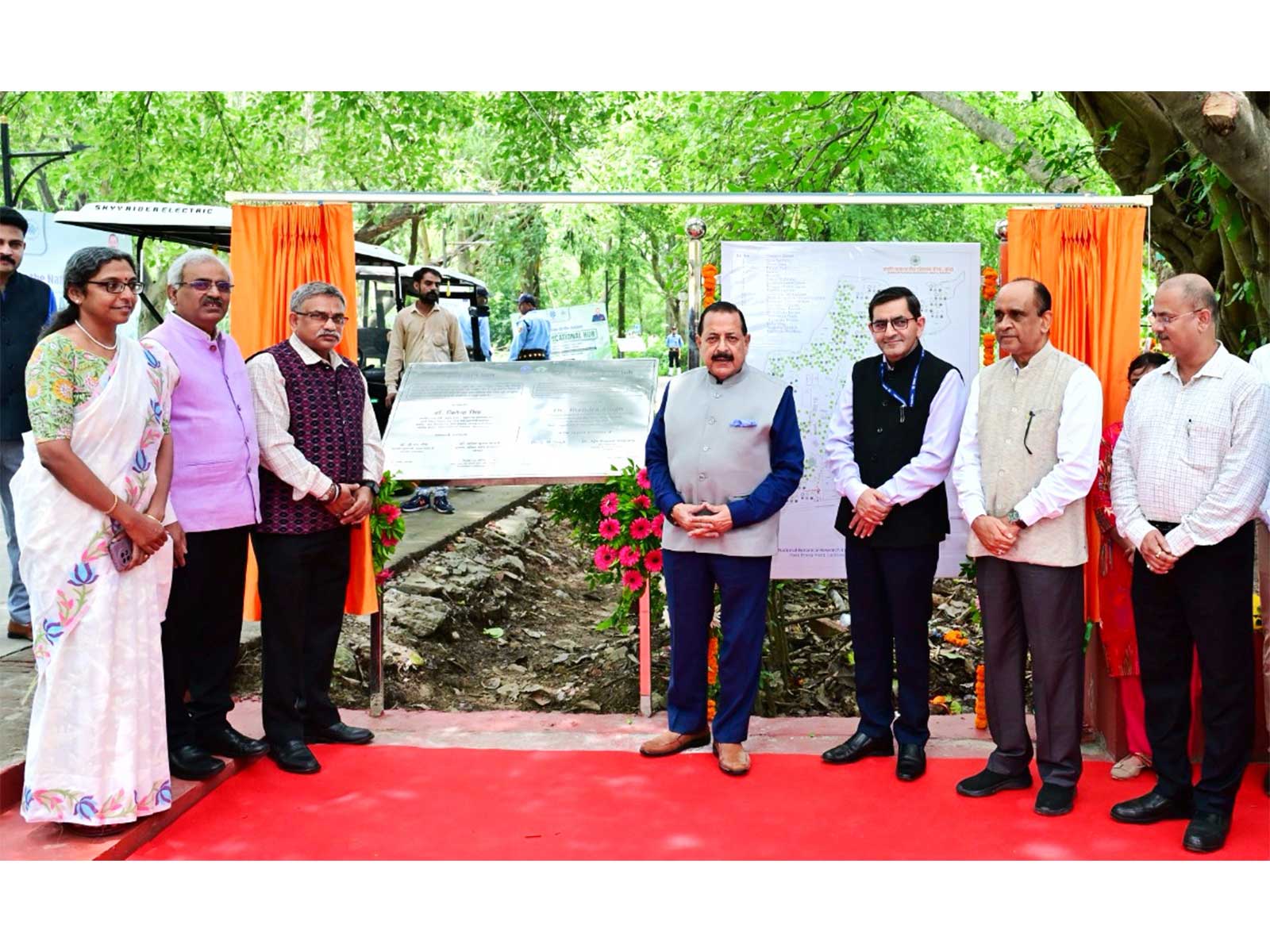
Lucknow (Uttar Pradesh) [India], August 9 : Union Minister Jitendra Singh on Saturday called for taking the work of scientific institutions closer to society by systematically showcasing their technologies, success stories and societal applications, while dedicating to the nation the first-of-its-kind CSIR-National Botanical Research Institute (CSIR-NBRI) 'Eco-Educational Hub' 'Prakriti Gyan Dham' at the Maharishi Parashar Bioresource Centre (MPBC), Banthra, Lucknow.
According to a press release issued by the Ministry of Science and Technology, Jitendra Singh said the outreach of scientific institutions should go beyond laboratories and institutional campuses, with greater use of digital and social media platforms to showcase successful technologies and initiatives so that farmers, entrepreneurs, students, industry and other stakeholders are able to access scientific solutions and opportunities for livelihood generation.
He also called for greater integration of similar and complementary projects across Departments and Ministries, enabling institutions to work together and maximise the societal impact of scientific research and innovation.
The Eco-Educational Hub represents a convergence of scientific research, environmental education, biodiversity conservation, botanical heritage and cultural interpretation. Developed as a first-of-its-kind eco-educational facility, it has been conceived as a living repository of India's rich botanical and cultural legacy, offering an immersive environment for students, researchers, educators, nature enthusiasts and the general public.
The Hub provides a direct interface between scientific knowledge and public engagement, with its different facilities designed to make India's plant diversity, conservation efforts and botanical heritage accessible through experiential and interactive learning. Jitendra Singh said such initiatives can help strengthen the connection between scientific institutions and society while creating greater awareness of the practical value of scientific knowledge.
As per the release, a defining feature of the Hub is PAaVan Path (Plants and Associated Vegetations for Appreciating Nature), an interpretive heritage trail that forms the central experiential component of the campus. The trail takes visitors through curated plant collections representing diverse ecological regions and associated vegetation.
At the heart of the Hub is the Indian Heritage Garden, which brings together heritage trees propagated from historically significant locations across the country. The garden includes the Bawan Imli Tamarind Tree from Fatehpur, associated with the sacrifice of 52 freedom fighters; the Mother Dussehri Mango Tree from Lucknow; the Patalpuri Banyan of Prayagraj; the Mango Tree planted by Mahatma Gandhi at Bhitiharwa, Champaran; and descendants of trees associated with the historic Dandi March route in Gujarat.
The garden also uses QR-enabled audio systems to provide visitors with historical, cultural and botanical information about the heritage trees through their smartphones, converting the landscape into an interactive learning space.
The Vibhav Enclave- Threatened Plants of India Garden provides a dedicated space for rare, endangered and threatened plant species and promotes awareness about biodiversity loss, habitat degradation, climate change and the need to conserve plant genetic resources. The Bhairav Enclave - State Plants of India Garden brings together officially designated State Plants of States and Union Territories, presenting their ecological, cultural and symbolic significance.
Another major attraction is the Bamboosteum, which houses 43 indigenous and exotic bamboo species. The facility demonstrates the importance of bamboo as a renewable bioresource with applications in ecological restoration, carbon sequestration, soil conservation, sustainable livelihoods, traditional craftsmanship and green infrastructure.
The Eco-Educational Hub at MPBC, Banthra Campus is envisaged as a national destination for experiential learning and public engagement, bringing together botanical diversity, conservation, heritage and scientific outreach. Through its combination of living collections, heritage trails, digital interpretation and technology-oriented initiatives, the Hub seeks to foster a deeper connection between people and nature while strengthening the interface between scientific institutions and society.