Urban, rural areas of Islamabad and Karachi grapple with garbage crisis
Dec 15, 2025
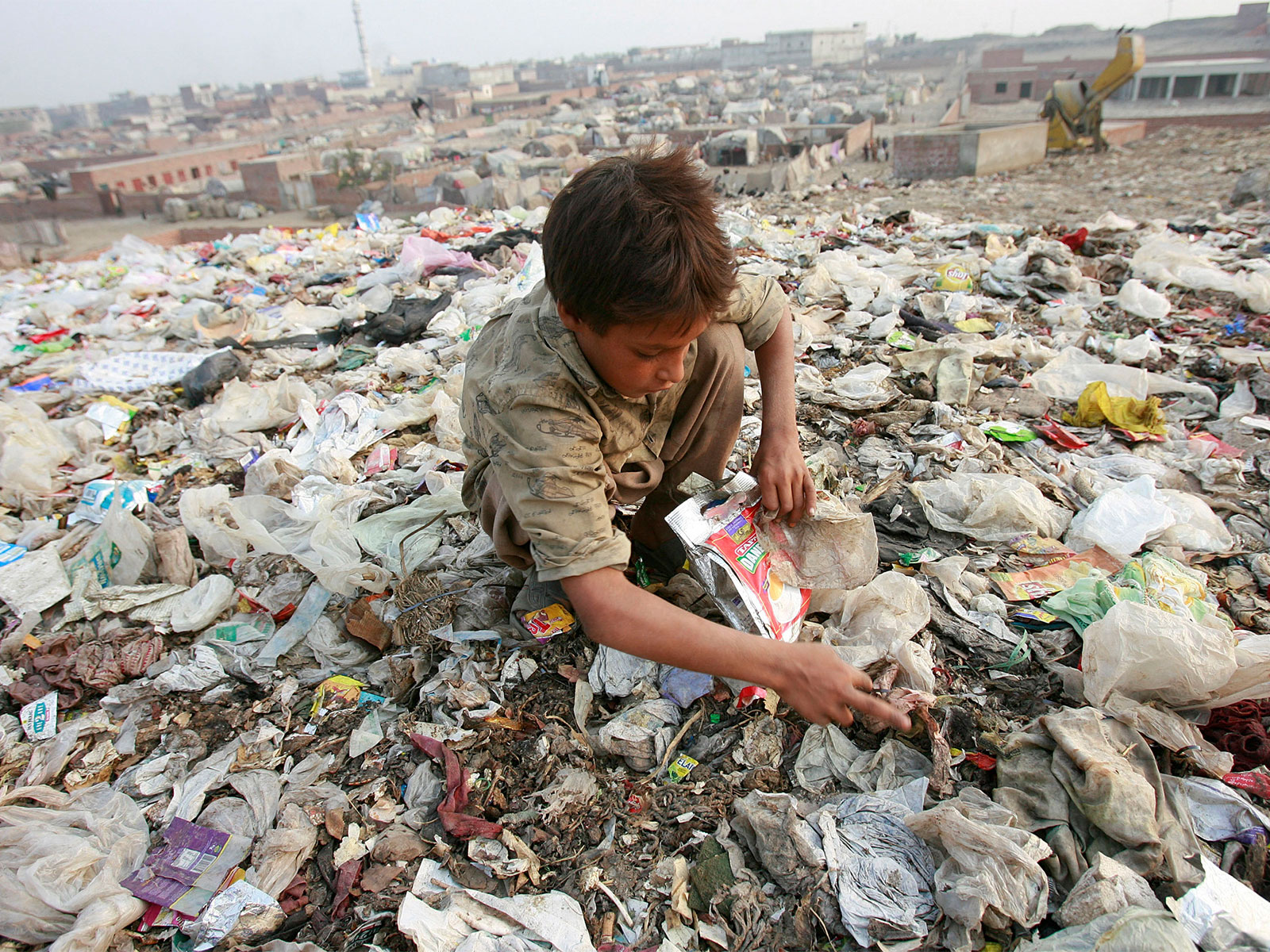
Islamabad [Pakistan], December 15 : Waste management in Pakistan's major cities is reportedly in crisis, as both Islamabad and Karachi struggle to maintain cleanliness, Dawn reported. Streets, roads, and open spaces across urban and rural areas are littered with garbage, leaving residents exposed to foul odours, dust, and toxic air.
In Islamabad, Dawn reported, rural areas have been particularly neglected. With no formal system in place, residents dispose of garbage in nullahs and open grounds. "Secondary collection by the Capital Development Authority (CDA) is irregular, and rural waste management contracts that expired a year ago have not been renewed, leaving services inconsistent. Urban areas receive temporary coverage through CDA staff, ex-contractor workers, and machinery, but repeated efforts to outsource waste management across the city were cancelled several times this year," Dawn said.
According to report, several bids submitted in response to a November tender are currently under evaluation.
In Karachi, Dawn highlighted, waste collection remains a major challenge across both formal and informal settlements. Overflowing bins, unattended garbage along main roads, and open dumping along riverbanks and nullahs have created similar health and environmental hazards.
Residents of areas near the Malir River in Karachi reportedly endure stench, dust, and toxic gases, Dawn said, with air pollution and unhygienic conditions disrupting daily life and increasing disease risks.
Dawn further reported that in both cities, large numbers of birds and flies circle dump sites, adding to the unsanitary conditions. Citing World Health Organisation and UN-Habitat guidelines, Dawn noted that transfer stations should only provide temporary, covered storage of waste. Without sealed containers or proper facilities, Dawn warned, these sites effectively become dumping grounds, threatening public health and urban living in Pakistan's two major cities.
Pakistan's major cities reveal a total collapse in waste management. Islamabad's rural areas and Karachi's urban settlements suffer from uncollected garbage, open dumping, and overflowing bins, creating toxic, unhygienic environments.
Failed contracts, inconsistent services, and inadequate infrastructure show that authorities have been unable to maintain basic sanitation.
The situation exposes residents to severe health risks, highlighting that Pakistan has utterly failed to manage urban waste, putting public health and city life in grave jeopardy.