US acting like outlaw state, international law no longer exists: Foreign expert Waiel Awwad on Maduro's capture
Jan 04, 2026
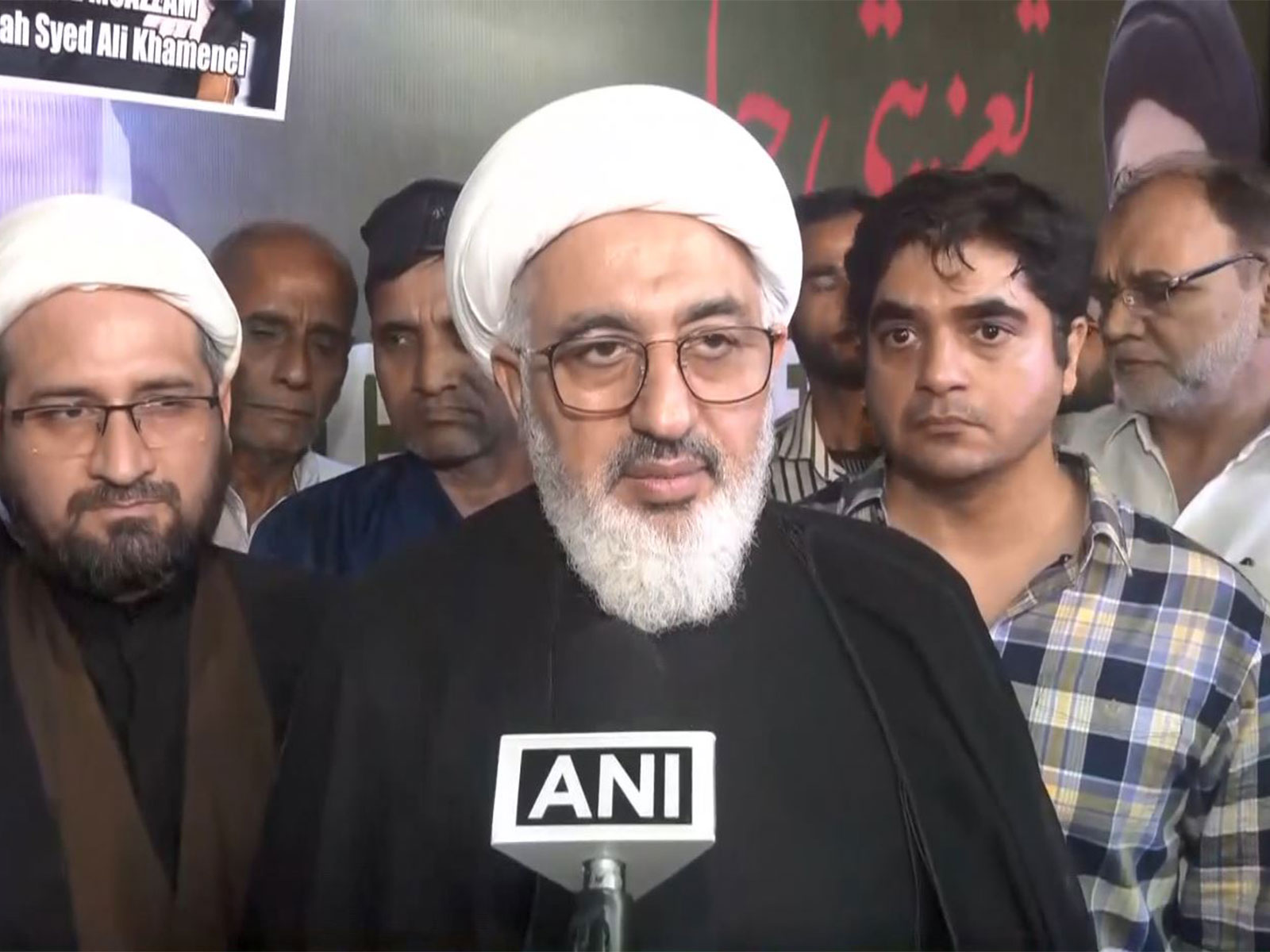
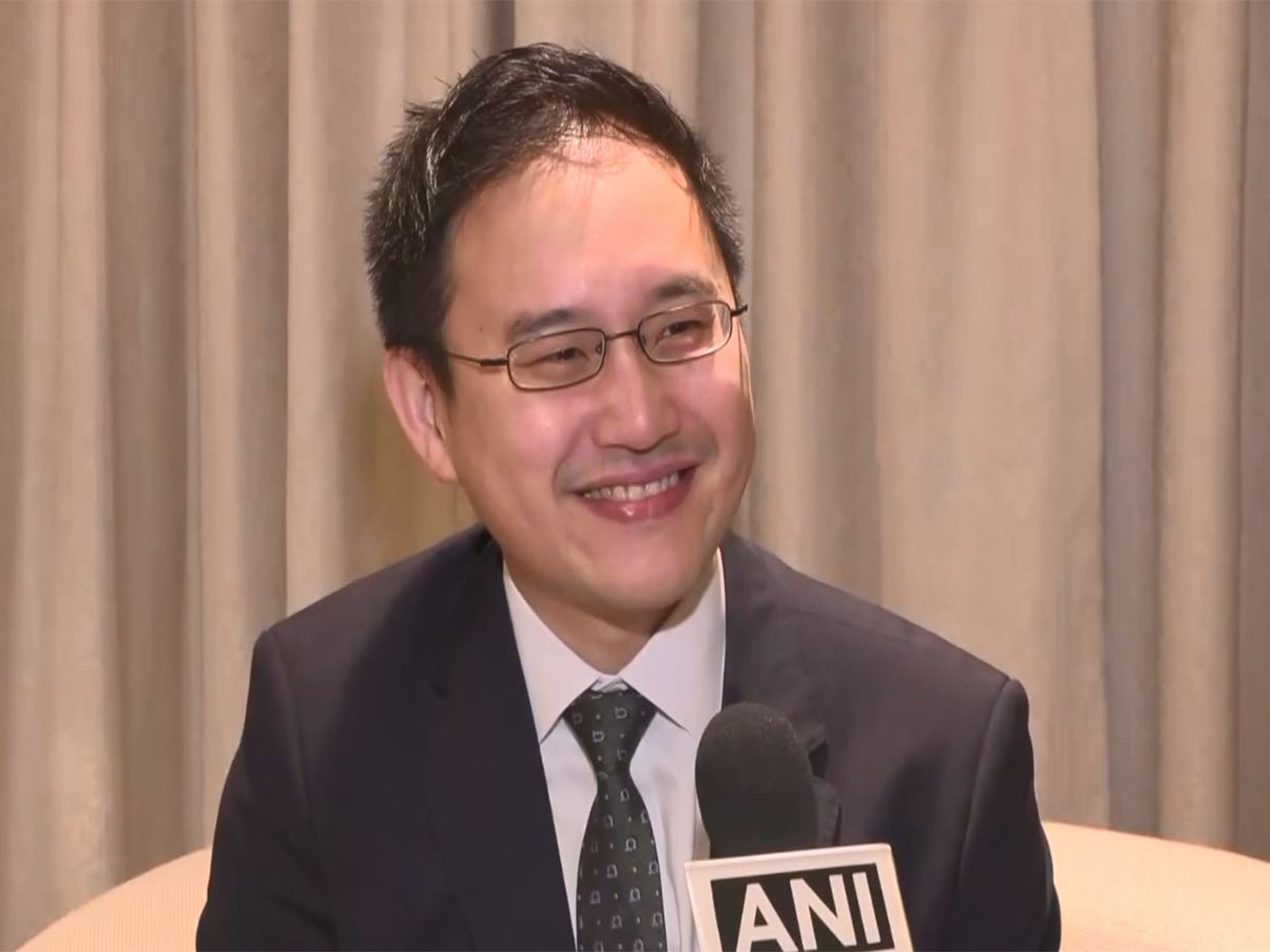
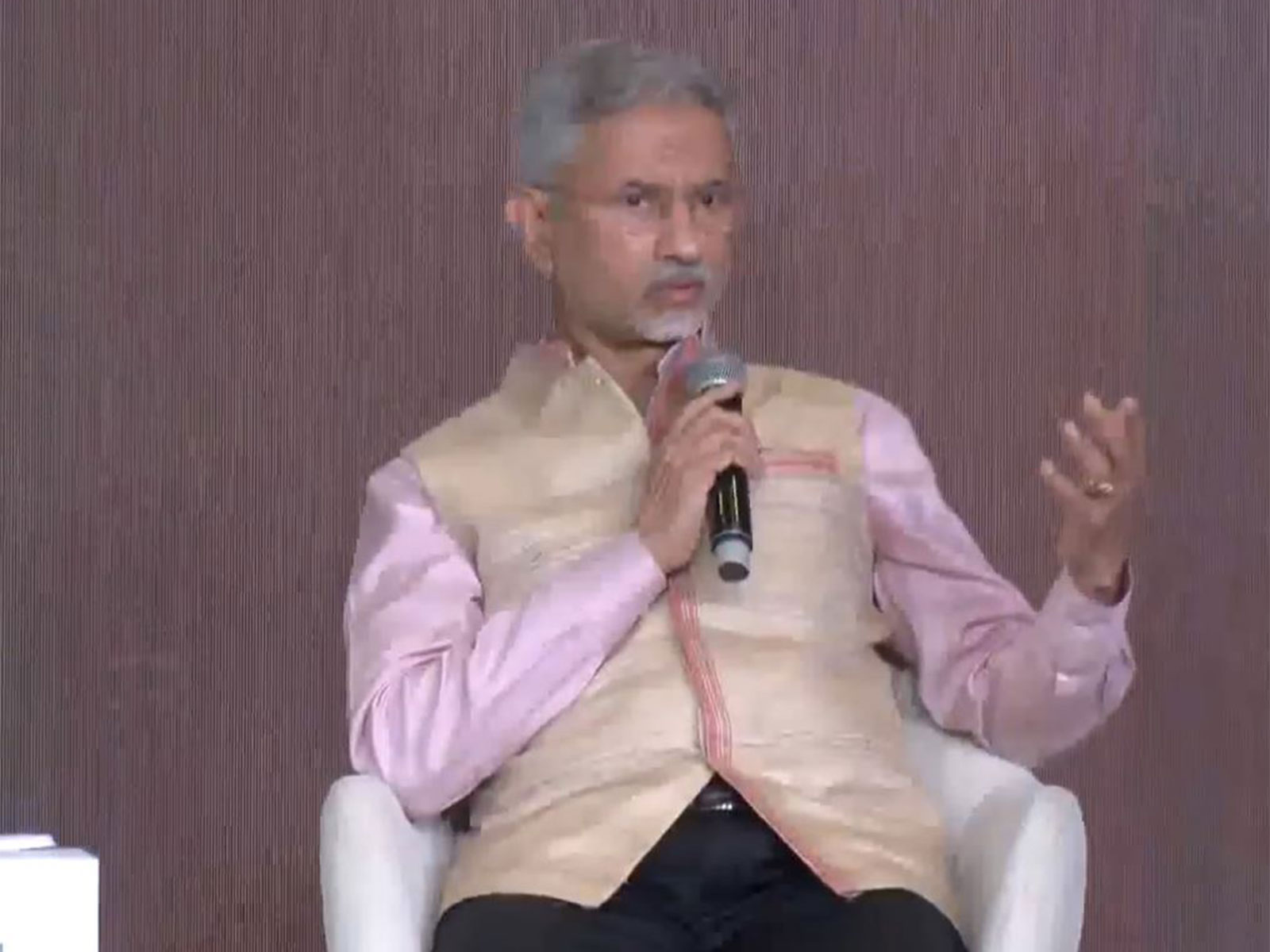
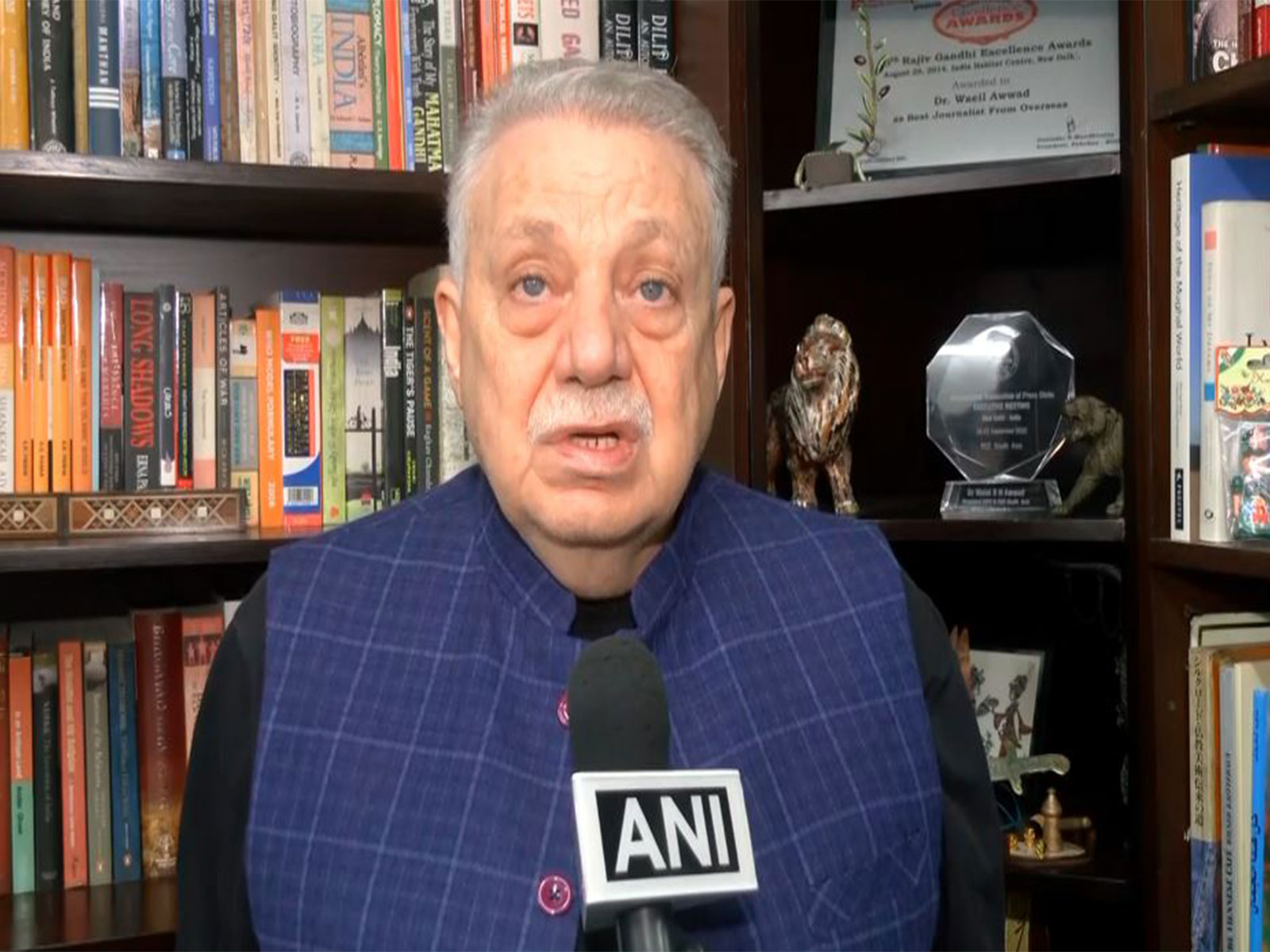
New Delhi [India], January 4 : Foreign affairs expert Waiel Awwad on Sunday strongly criticised the United States over deposed Venezuelan dictator Nicolas Maduro, saying the episode once again showed that international law and the UN Charter no longer hold meaning.
"It is once again proved that there is no international law, UN Charter, and the United States is an outlaw state. They can do whatever they want," Awwad told ANI.
He said the US has a long history of using force to bring regime change in countries rich in resources.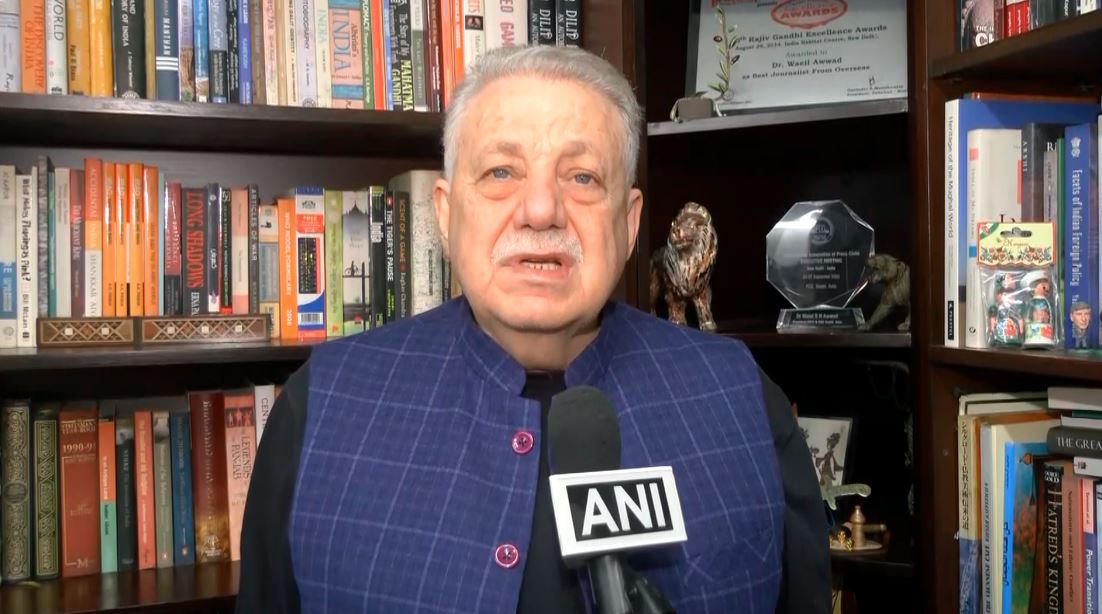
"This policy has been followed by their previous presidents, leading to regime change by force. They did it in Afghanistan, Iraq, Syria, Libya, you name it and now in Venezuela, which is rich in oil. What world are we living in, prevailing a jungle law?" he said.
His remarks came amid statements by US President Donald Trump, who on Saturday said Washington would move to take control of Venezuela's vast oil reserves and encourage American companies to invest billions of dollars to revive the country's weakened oil industry, CNN reported.
Trump made the remarks after the United States carried out what it described as a large-scale military operation in Venezuela, during which Nicolas Maduro and his wife Cilia Flores were captured in Caracas and flown out of the country.
Images released by US authorities showed Maduro in handcuffs during a staged perp walk. He was seen greeting reporters and Drug Enforcement Administration (DEA) agents, wishing them a Happy New Year and Good Night as he was led into custody, according to CNN.
As political developments unfolded in Caracas following Maduro's removal, Venezuela's Supreme Court ordered Vice President Delcy Rodriguez to assume the powers and duties of acting president.
According to CNN, the order was announced late Saturday night local time, with the court stating that Maduro was in a "material and temporary impossibility to exercise his functions."
According to the ruling read by Justice Tania D'Amelio during a session broadcast on state television channel VTV, Rodriguez will "assume and exercise, as acting president, all the powers, duties, and faculties inherent to the office of president of the Bolivarian Republic of Venezuela, to guarantee administrative continuity and the comprehensive defense of the nation," CNN reported.
Venezuela's constitution provides that, in the event of the president's temporary or absolute absence, the vice president must assume the presidency.
Venezuela holds an estimated 303 billion barrels of crude oil, accounting for nearly one-fifth of global oil reserves, according to the US Energy Information Administration (EIA). Despite this, the country currently produces approximately 1 million barrels of oil per day, representing about 0.8 per cent of global output.
According to the EIA, international sanctions, prolonged economic instability, chronic underinvestment and poor maintenance have contributed to the collapse of Venezuela's oil sector, CNN reported.
CNN also noted that much of Venezuela's oil is heavy and sour crude, which requires specialised equipment and advanced technology to extract and refine. Heavy crude is commonly used for diesel, asphalt and industrial fuels.
From a strategic perspective, Venezuela's geographic proximity to the US and the relatively low cost of its crude make its oil particularly attractive to Washington. A US-led overhaul of the country's oil infrastructure could significantly boost production and reshape global energy supply, CNN said.
Providing background, former US National Security Advisor John Bolton told CNN that a plan to remove Maduro had been presented to Trump during his first term but did not progress because officials were unable to keep the president "focused" on the issue.
Bolton said Trump was "very interested in the Venezuelan oil" during his first term, but despite his team's efforts, they "couldn't keep him focused on it."
He added that Venezuela's opposition at the time believed economic pressure alone would be sufficient to split Maduro's regime.
According to CNN, the United States later carried out what Trump described as a "large-scale strike against Venezuela" and captured Maduro to face charges, executing the regime change effort without congressional approval.