US FCC moves to onshore Call Centers, mandate English proficiency
Mar 27, 2026
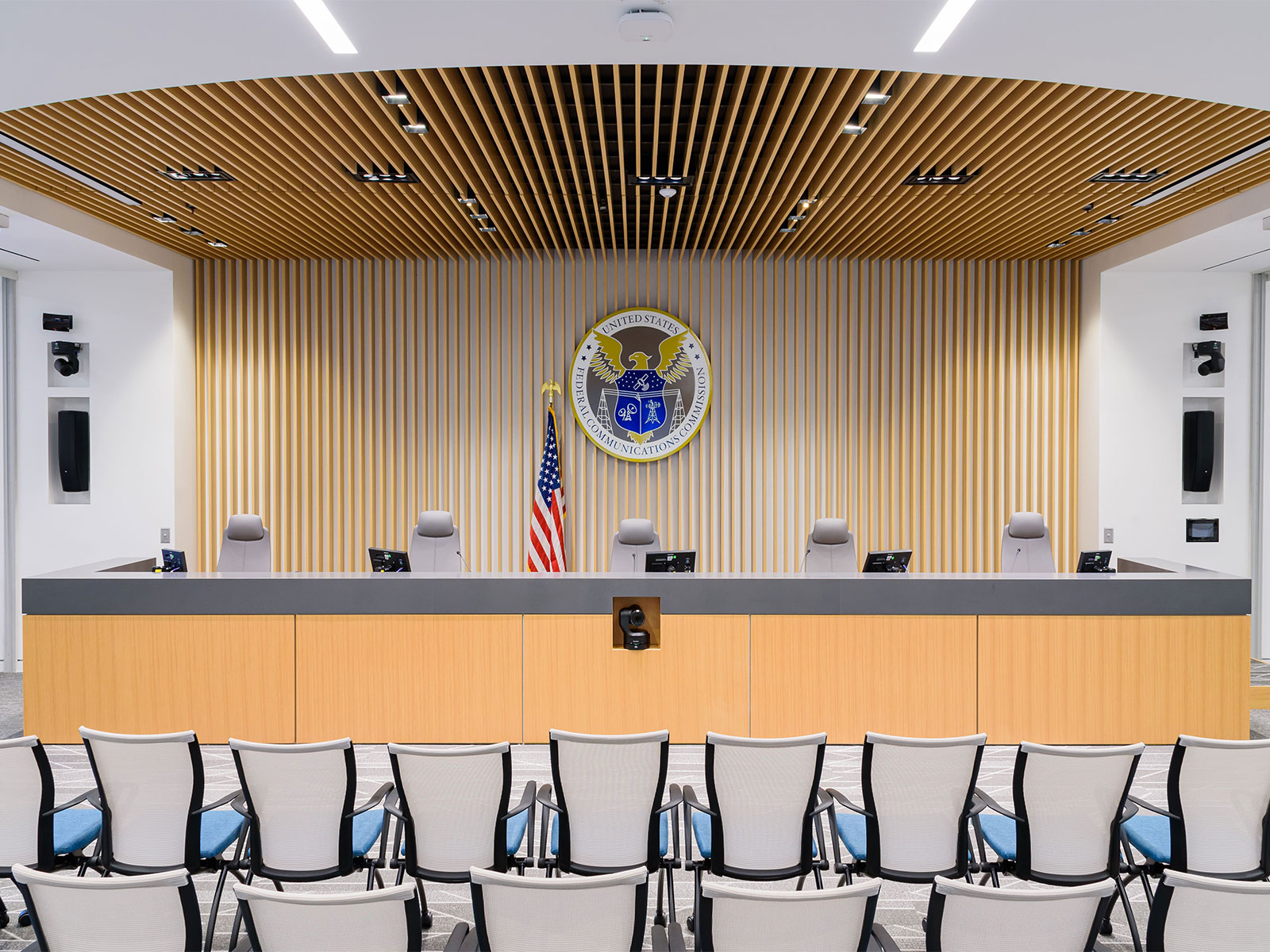
New Delhi [India], March 27 : The United States Federal Communications Commission (FCC) voted on Thursday to initiate a formal proceeding designed to "onshore call center jobs and establish English language proficiency requirements for service agents.
"The Commission will seek comment on proposals that would encourage businesses to bring call center jobs back to the U.S. and improve customer service at existing call centers, including a proposal to require call takers to be proficient in American Standard English," the FCC said in a statement.
This action, according to the Federal Communications Commission release, sought to address a decades-long trend where "nearly 70 percent of U.S. companies outsourcing at least one department".
Beyond service quality, the proposal targeted the security risks associated with offshore operations. "Foreign call centers have also contributed to the onslaught of robocalls facing American households and businesses. Bad actors often leverage the training and infrastructure of legitimate call centers to defraud Americans....The proceeding also explores ways to financially deter illegal robocalls that originate abroad by seeking comment on the targeted use of fees or bonds," it said.
The Notice of Proposed Rulemaking (NPRM) focused heavily on the communications industry, which consistently performed poorly in customer satisfaction surveys. "The NPRM launches a proceeding that will seek comment on: ways to encourage and facilitate the onshoring of call centers; steps that can be taken to improve customer service and data security; ways to combat illegal robocall scams that originate inside foreign call centers; and the scope of the FCC's legal authority on these fronts," the FCC stated.
Chairman Brendan Carr emphasized the necessity of these changes, stating, "Americans get frustrated when they call a U.S. business and end up connecting with a call center located abroad."
He explained that foreign centers often meant "confusing service, delayed support, and even security risks." Carr further asserted that "it is time for this offshoring to end. American consumers deserve call centers that speak proficient English, provide clear answers, and are based here at home--not halfway around the world."
He mentioned that some providers already moved toward this model, "We adopt proposals to reshore call center jobs and improve the customer service experience at the ones that remain--including by seeking comment on requiring call center workers to be proficient in American Standard English. I am pleased that many providers already have U.S.-only call centers or are committed to doing so."
Commissioner Olivia Trusty supported the initiative, focusing on the need to maintain a secure digital ecosystem. Trusty stated that "bad actors have kept pace with technology, changing business practices, and other evolutions in the communications marketplace," using sophisticated methods to exploit network vulnerabilities for "unjust enrichment."
She explained that a "trusted, reliable, and secure communications ecosystem is paramount to ensuring that consumers continue to benefit from a dynamic marketplace where innovation and investment can thrive."
Trusty welcomed the focus on identifying and mitigating threats before they impacted consumers, characterizing the move as an important step in building public confidence. The proceeding remained open for comment as the commission evaluated its legal authority to implement these changes across the regulated communications sector.