"US may be required to refund billions of dollars...": Justice Kavanaugh in dissenting note as SC strikes down Trump's tariffs
Feb 20, 2026
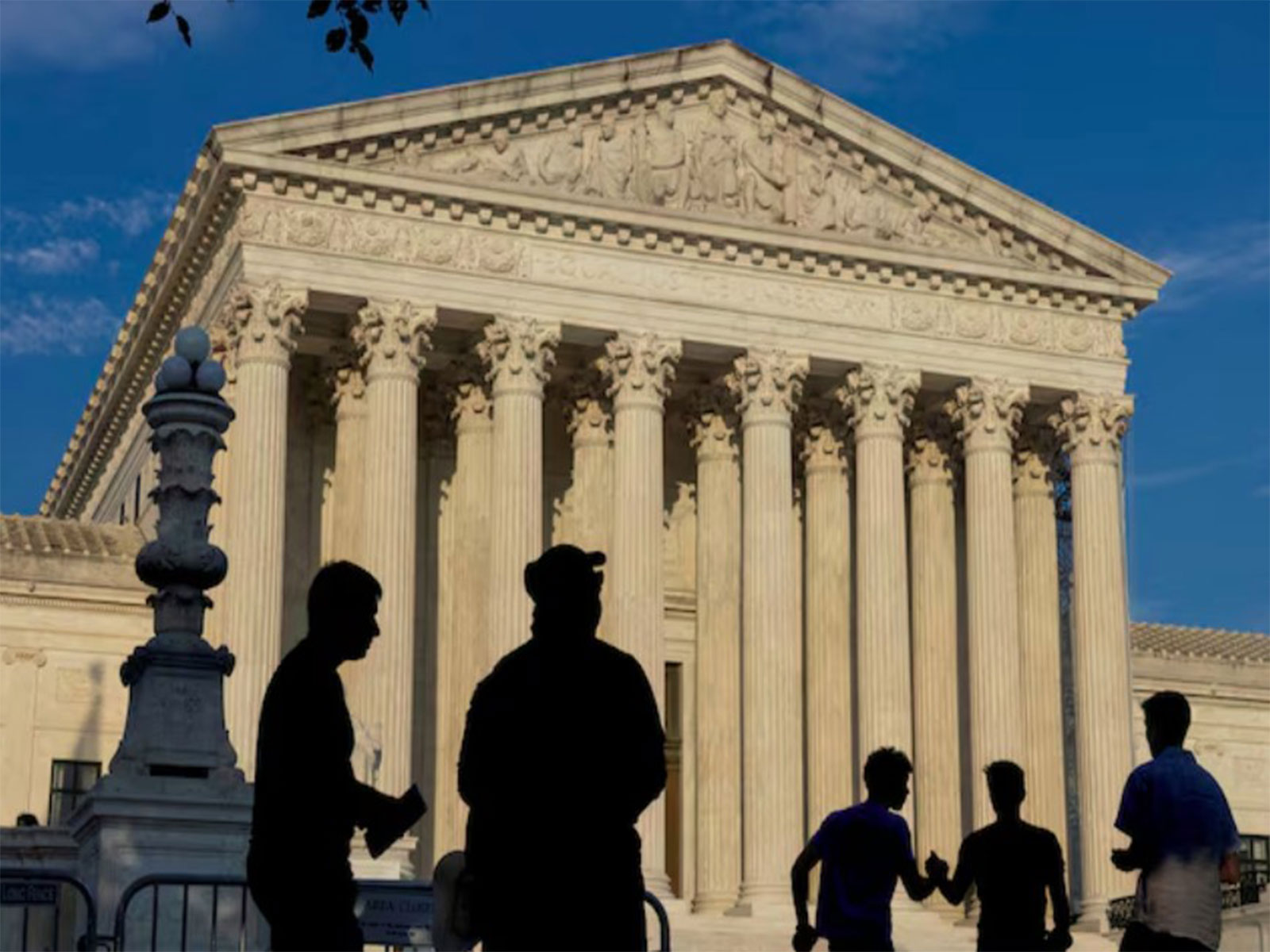
Washington DC [US], February 20 : US Supreme Court Justice Brett Kavanaugh, in a dissenting opinion as the apex court struck down most of US President Donald Trump's tariff measures, said that the immediate consequences of the ruling could be substantial, including potential multi-billion-dollar refunds.
"In the meantime, however, the interim effects of the Court's decision could be substantial. The United States may be required to refund billions of dollars to importers who paid the IEEPA tariffs, even though some importers may have already passed on costs to consumers or others," Justice Kavanaugh noted in his dissent.
The majority ruling held that the US President lacked authority under the 1977 International Emergency Economic Powers Act (IEEPA) to impose sweeping import duties on goods from nearly all US trading partners.
In his dissent, Justice Kavanaugh also underscored that several federal statutes continue to grant the President broad tariff powers and cited laws including the Trade Expansion Act of 1962 (Section 232), the Trade Act of 1974 (Sections 122, 201, and 301), and the Tariff Act of 1930 (Section 338).
"As noted above, many current federal laws continue to grant the President expansive tariff authority, including the Trade Expansion Act of 1962 (Section 232); the Trade Act of 1974 (Sections 122, 201, and 301); and the Tariff Act of 1930 (Section 338). Neither the plaintiffs nor the Court has suggested that the numerous laws granting tariff power to the President violate the Constitution's separation of powers," he wrote.
In its verdict, the US Supreme Court held that the IEEPA does not grant the President the authority to levy tariffs.
The Bench of Nine Justices ruled 6-3, with Chief Justice John Roberts authoring the majority opinion. Justices Brett Kavanaugh, Clarence Thomas and Samuel Alito dissented.
"IEEPA's grant of authority to 'regulate . . . importation' falls short. IEEPA contains no reference to tariffs or duties. The Government points to no statute in which Congress used the word "regulate" to authorize taxation. And until now no President has read IEEPA to confer such power," Chief Justice Roberts wrote in his opinion.
"We claim no special competence in matters of economics or foreign affairs. We claim only, as we must, the limited role assigned to us by Article III of the Constitution. Fulfilling that role, we hold that IEEPA does not authorize the President to impose tariffs," he added.