US SC tariff ruling positive for India, China, Brazil; negative for EU, UK, Japan, Singapore: ICICI Bank report
Feb 24, 2026
New Delhi [India], February 24 : The ruling of the US Supreme Court striking down tariffs imposed by US President Donald Trump under the International Emergency and Economic Powers Act (IEEPA) is likely to create winners and losers among global economies, with India, China, and Brazil emerging as beneficiaries, while the Euro-zone, UK, Japan, and Singapore may face negative implications, according to a report by ICICI Bank.
The report stated that "the revised tariff structure for the time being is likely to create a set of winners (India, China and Brazil) and losers (Euro-zone, UK, Japan and Singapore) while it is unlikely to materially change the outlook for the US economy."
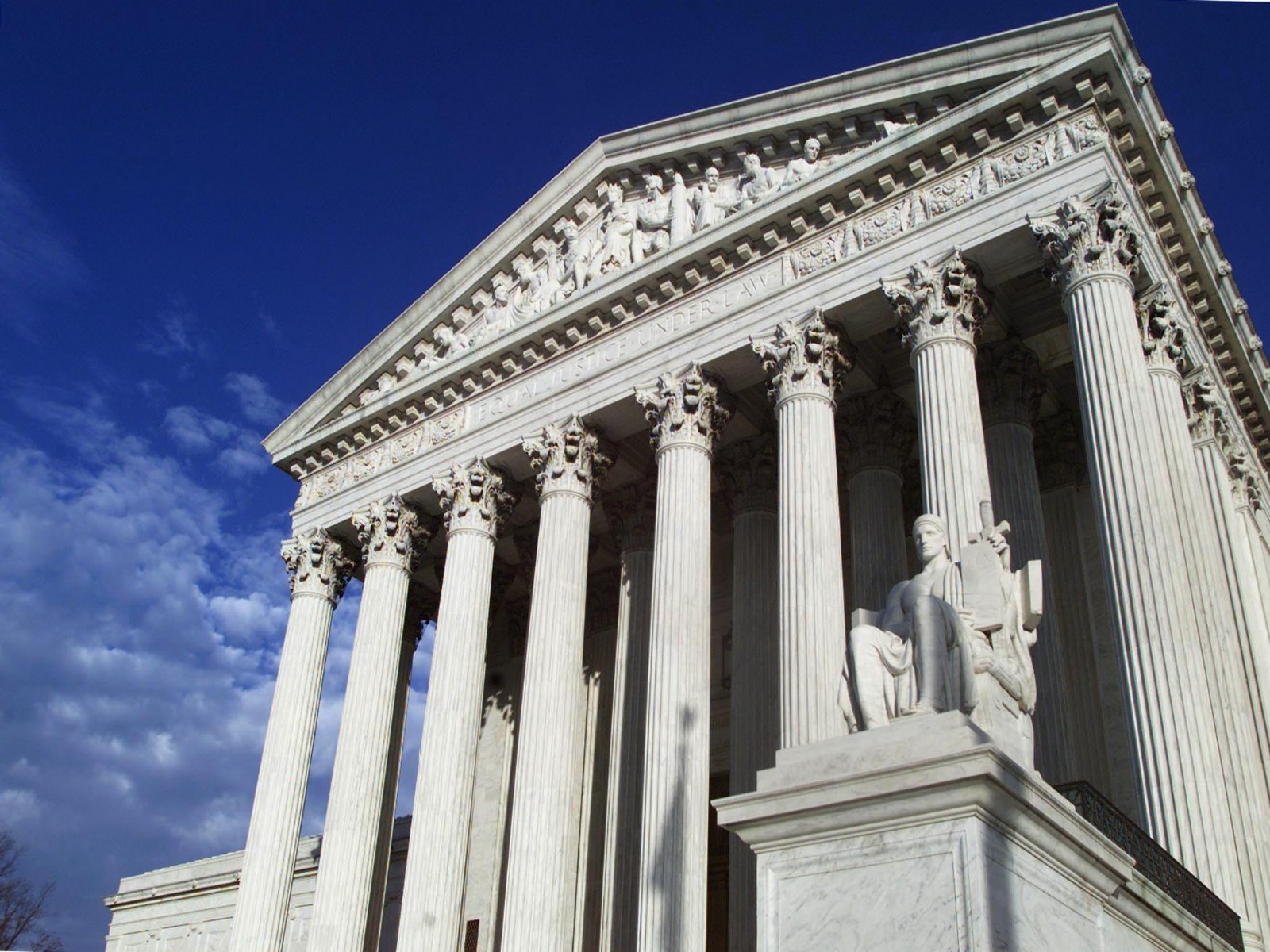
The US Supreme Court struck down tariffs that were imposed under IEEPA, effectively nullifying all country-wise reciprocal tariffs as well as fentanyl-related tariffs that were implemented in 2025.
This development removes certain trade barriers that had affected multiple countries, reshaping the global trade landscape.
However, the report noted that tariffs imposed under section 232 and section 301 will not be affected by the ruling, meaning that some existing trade restrictions will continue to remain in place.
Despite the court ruling, the US President has kept his tariff agenda in place by imposing a flat universal tariff of 15 per cent under section 122. This tariff will remain effective for 150 days.
The report highlighted that it remains unclear whether these tariffs will be extended beyond this period, as any extension would require approval from the US Congress.
The report further stated that the Trump administration is likely to shift its strategy towards imposing more sector-specific tariffs using section 301, section 232, section 201, or section 338.
These tariffs require a more formal process, including investigations by relevant government departments, before they can be implemented.
According to the report, this process would likely take three to six months before tariffs under these sections can be imposed.
So while the Supreme Court ruling has temporarily reshaped tariff structures and created relative advantages for countries such as India, China, and Brazil, the broader US tariff strategy remains in place, with the administration expected to pursue alternative routes to maintain its trade policy objectives.