"US will never risk sending its navy to open up Strait of Hormuz": Kanwal Sibal on ongoing West Asia conflict
Mar 12, 2026
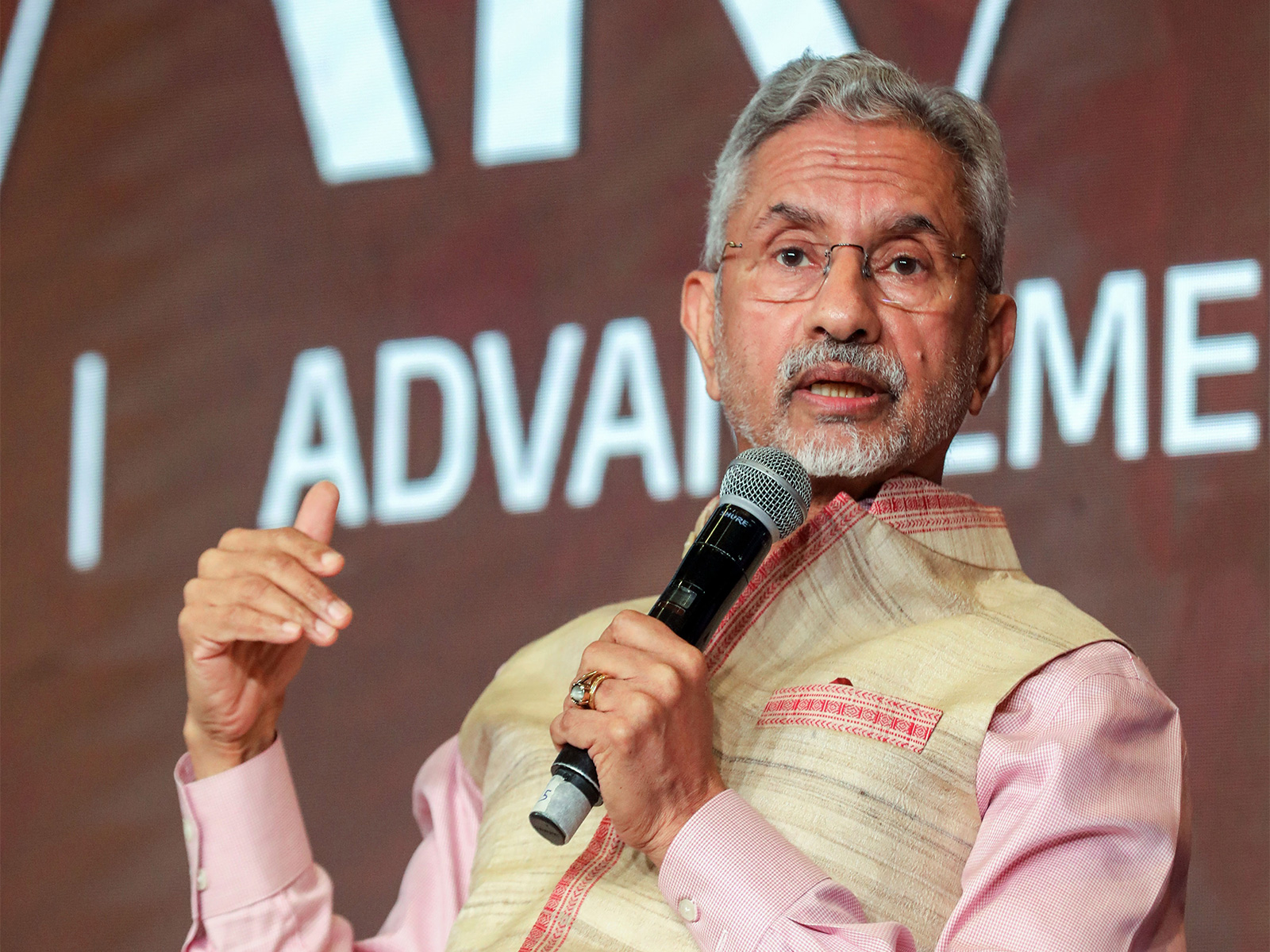
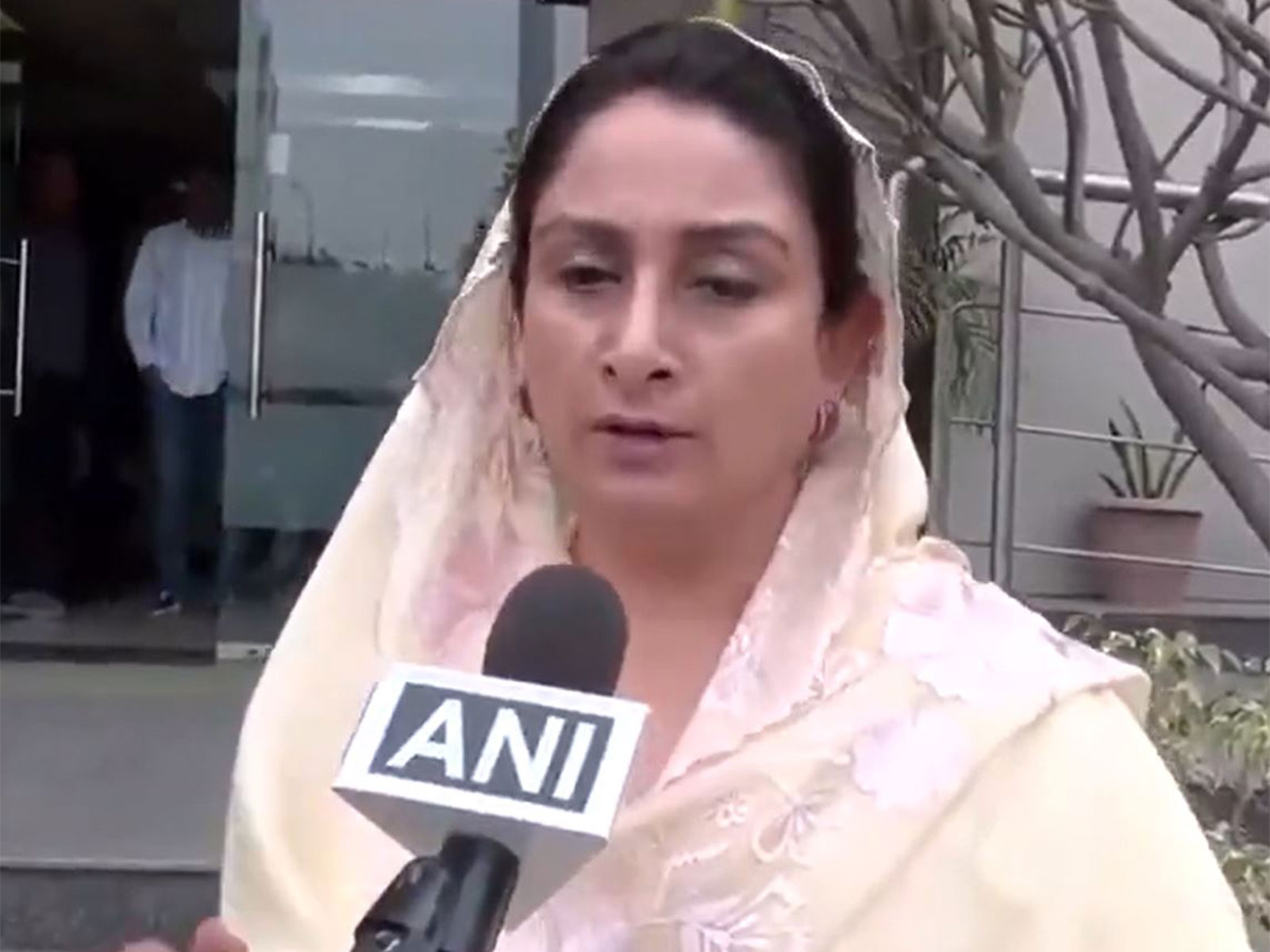
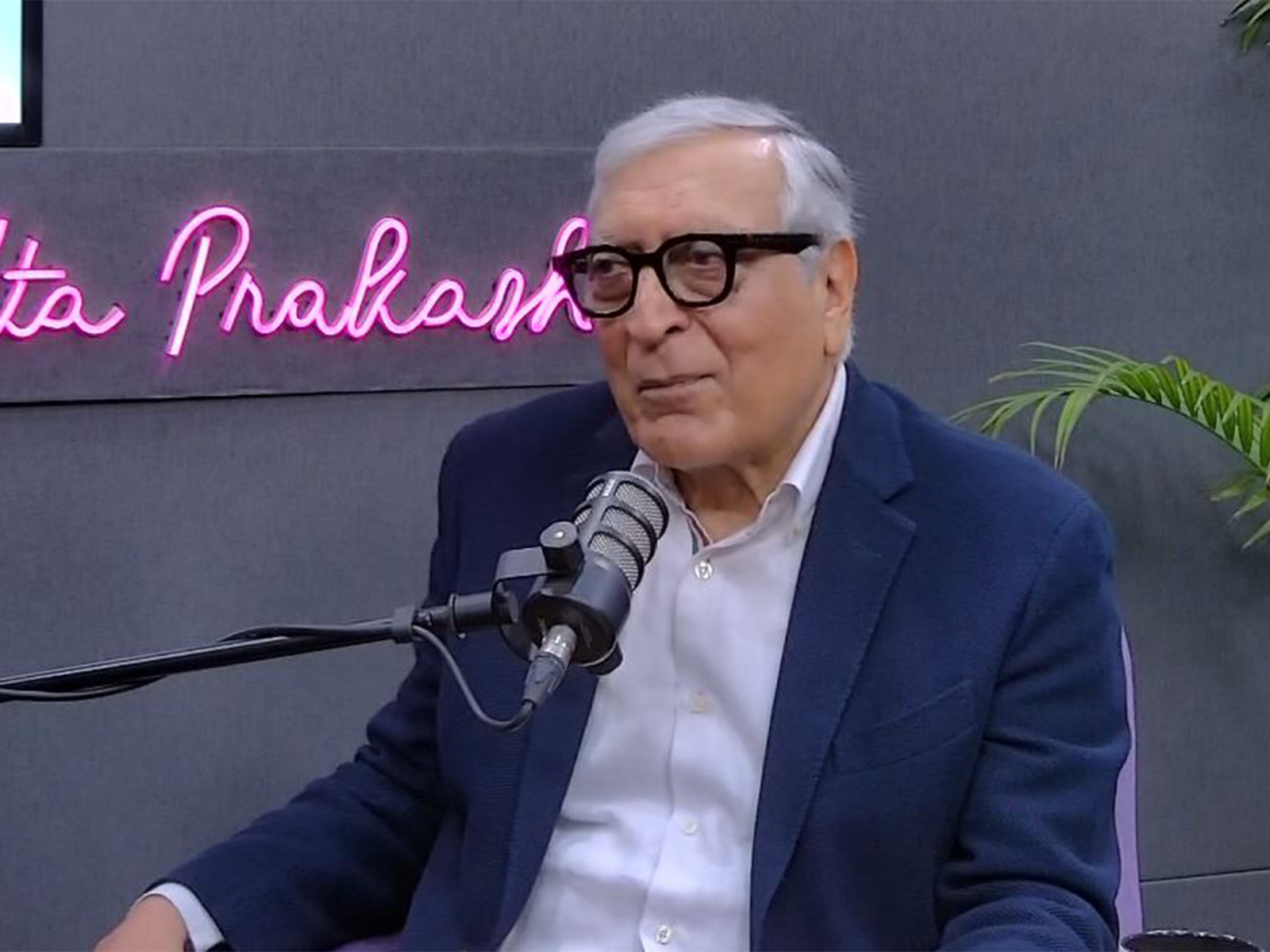
New Delhi [India], March 12 : As the conflict involving the United States, Israel, and Iran entered its 13th day, former Foreign Secretary Kanwal Sibal on Thursday said that the US won't risk sending its navy to reopen the Strait of Hormuz due to Iran's territorial control.
Speaking with ANI, he highlighted the vulnerability of the Strait of Hormuz and the resulting "energy shock" triggered by a halt in Qatari LNG production.
Sibal argued that the US is unlikely to risk a naval operation to forcibly "reopen" the Strait of Hormuz as the deep-water channel necessary for large vessels lies within Iranian territorial waters. Iran does not need sophisticated long-range missiles to defend this corridor; short-range missiles, torpedoes, and mines can easily sink high-value naval assets.
In an interview with ANI, Sibal said, "The United States will never take the risk of sending in its navy to open up the states of Hormuz because it will lose its naval vessels, as the deep water channel in the state of Hormuz is in the Iranian territorial waters. And they don't need long-range missiles or even short-range missiles, torpedoes and other things. They can sink anything. So it's a huge danger. The LNG business is a problem because we are highly dependent on Qatar for LNG. And they have stopped producing LNG."
The conflict has hit India's energy security at two critical points: LNG availability and Oil volatility. India is heavily dependent on Qatar for roughly 40% of its LNG.
Beyond the physical threat, Sibal noted that insurance companies are refusing to cover ships entering the region, effectively creating a "de facto" blockade even without a full military closure.
"But it's a huge problem for us because the price of oil is USD 114 from 70-something. It's terrible for us because with each one-dollar increase, if sustained over a year, it adds almost two billion dollars to our oil bill. So this has to be settled very quickly. And now the problem is not simply Iran closing or not closing the states of Hormuz. It's the insurance companies that don't want to insure the ships," he said.
Meanwhile, a Liberia-flagged tanker Shenlong Suezmax carrying Saudi crude has reached Mumbai Port, becoming the first India-bound vessel to pass through the Strait of Hormuz since the Iran-US conflict began.
The tanker had loaded crude from Ras Tanura port in Saudi Arabia on March 1 and departed on March 3. Maritime tracking data showed the vessel in the Strait of Hormuz on March 8 before it temporarily went off tracking systems.
The tanker reportedly switched off its Automatic Identification System (AIS) transponder while navigating the high-risk stretch of the strait and reappeared on tracking systems on March 9. The transponder is a mandatory maritime VHF radio system that automatically broadcasts a ship's identity, position, speed, and course to nearby vessels and shore stations to prevent collisions and improve navigation.
The vessel docked at the Mumbai Port at 1 pm on Wednesday and was berthed at Jawahar Dweep at 6:06 pm. It is carrying 1,35,335 metric tonnes of crude oil, which will be supplied to refineries in Mahul, eastern Mumbai. The crude discharge process is expected to take around 36 hours.
The tension escalated in West Asia, following the killing of 86-year-old Iran's supreme leader Ayatollah Ali Khamenei in joint military strikes by the US and Israel on Iran on February 28. The strikes also killed several senior leaders of the Islamic Republic.
In retaliation, Tehran launched counter-strikes targeting American military bases in multiple Arab countries and Israeli assets across the region. Israel, along with the US, continued its strikes on Tehran, with Tel Aviv widening the conflict to Lebanon, targeting Hezbollah and Iranian-backed militant groups.