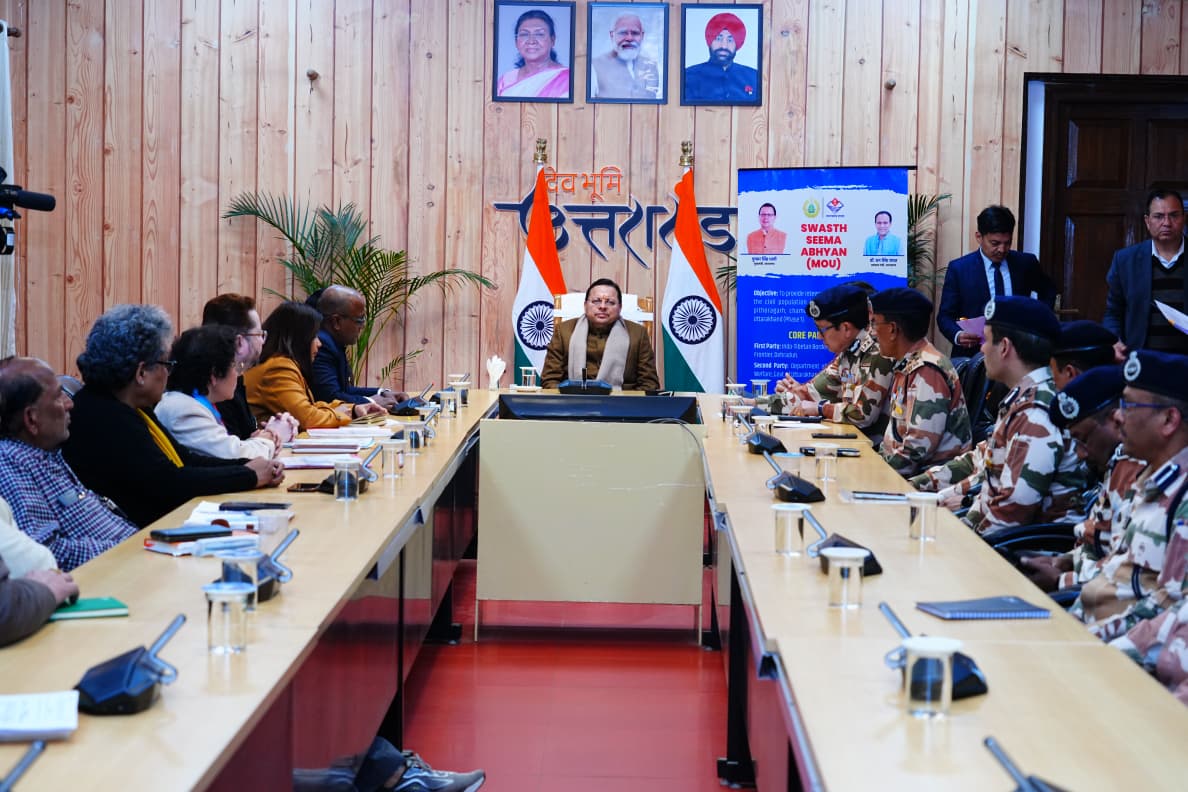
Uttarakhand govt, ITBP sign MoU for 'Healthy Border Campaign' to boost healthcare in remote villages
Jan 15, 2026
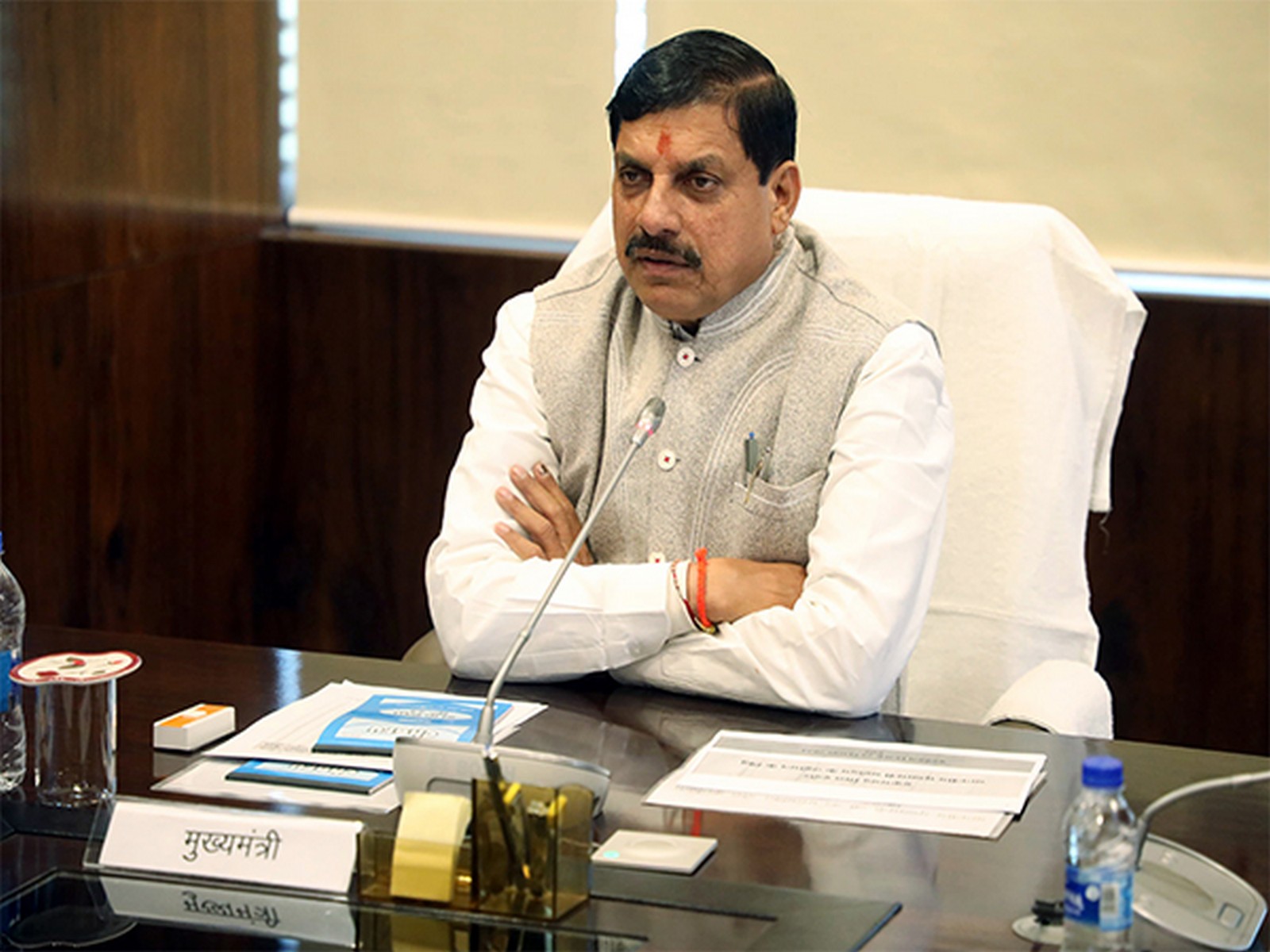
Dehradun (Uttarakhand) [India], January 15 : In the presence of Chief Minister Pushkar Singh Dhami, an important Memorandum of Understanding (MoU) was signed on Thursday at the Chief Minister's residence between the Government of Uttarakhand and the Indo-Tibetan Border Police (ITBP) under the "Healthy Border Campaign." Health Minister Dhan Singh Rawat and Cabinet Minister Saurabh Bahuguna were also present on the occasion.
The objective of this MoU is to provide integrated primary healthcare services to residents of 108 border villages across the districts of Pithoragarh, Chamoli, and Uttarkashi. This initiative is being launched as Phase I to ensure access to healthcare services in remote and border areas.
Under the MoU, ITBP headquarters, Northern Frontier, Dehradun, has been designated as the First Party, and the Department of Medical Health and Family Welfare, Government of Uttarakhand, as the Second Party. As per the agreement, ITBP will arrange qualified doctors and paramedical staff and make MI Rooms and telemedicine facilities available. Border villages will be visited regularly as per a fixed schedule to provide healthcare services to local residents. Maintenance of beneficiaries' medical health cards/records, along with proper management of equipment, medicines, and consumables, will also be ensured.
The Uttarakhand government will provide demographic data of the concerned villages and supply essential medical equipment at the initial stage. Based on consumption, a continuous supply of medicines and other materials will be ensured every six months. In emergency situations, evacuation, communication support, and responsibility for ownership and replacement of equipment will also be borne by the state government.
On this occasion, Chief Minister Pushkar Singh Dhami said, "The Healthy Border Campaign is an effective initiative toward improving the quality of life of citizens living in border areas. It will not only strengthen healthcare facilities but also promote trust, security, and stability in border villages. He reiterated the government's commitment to the holistic development of frontier regions and termed this MoU a significant step in that direction."
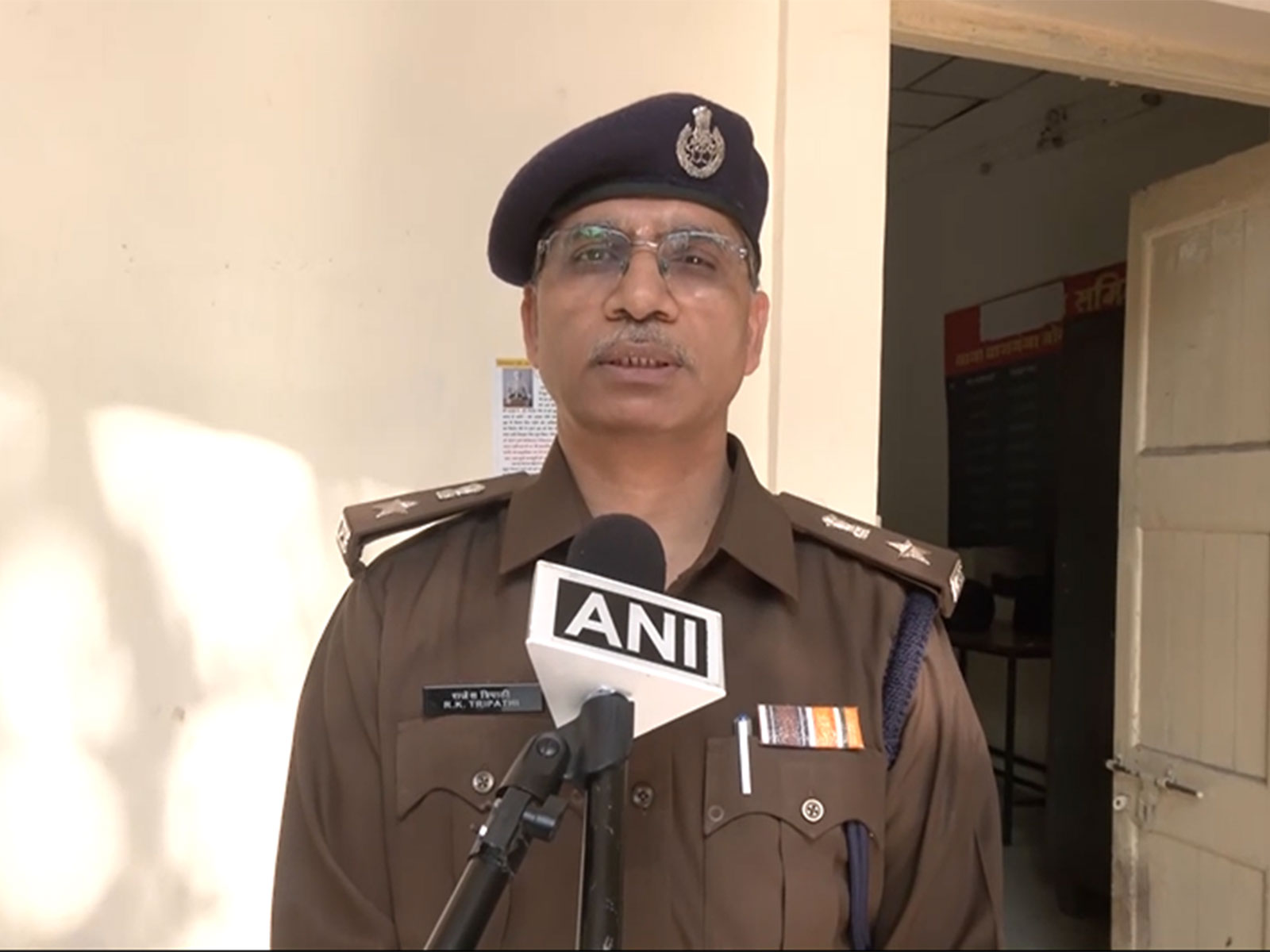
ITBP officials informed that, as per the current status of the earlier MoU between ITBP and the Uttarakhand Government for the supply of local products, 25 per cent supply began on a trial basis in November 2024, and 100 per cent supply commenced in March 2025. Under this arrangement, products such as live sheep/goats, live poultry, Himalayan trout fish, fresh milk, paneer, and TPM are being procured through various cooperative institutions. So far, approximately 3,79,650.23 kilograms and 3,25,318.72 litres of products have been procured, with a total estimated cost exceeding ₹11.94 crore. This initiative is directly benefiting livestock farmers, fish farmers, and dairy producers, while promoting local products and strengthening the rural economy.
The Chief Minister said, "This initiative will prove to be a milestone in making border areas self-reliant, connecting local citizens with livelihoods, and ensuring stability in regions linked to national security." The state government remains continuously committed to the comprehensive development of border areas.
During the program, a detailed presentation was made on the proposed procurement of local products from vibrant/border villages for the year 2026. This includes the purchase of 4,00,000 kg of live sheep/goats worth ₹13 crore, 2,50,000 kg of live poultry worth ₹4 crore, and 82,000 kg of Himalayan trout worth ₹3.90 crore. In addition, 21,302 kg of paneer worth ₹0.79 crore, 4,73,532 liters of fresh milk worth ₹3.3 crore, and 1,40,018 litres of TPS worth ₹1.5 crore will be procured. After the MoU, procurement of 9,85,391 kg of vegetables worth ₹2.77 crore and 6,20,228 kg of fruits worth ₹3.50 crore is also estimated. In total, approximately 7,53,302 kg, 6,13,550 litres, and after the MoU, 16,05,619 kg of products will be procured, with an overall estimated cost of around ₹32.76 crore.
It was also informed that under upcoming MoUs and proposed agreements, a direct procurement mechanism from local livestock farmers for non-vegetarian products is proposed, eliminating the role of intermediaries and ensuring direct benefits to producers. Under the helipad agreement with the Uttarakhand Tourism Department, a total of 221 helicopter landings have been successfully conducted so far, strengthening connectivity and supply systems in remote and border areas.
Under future agreements, ITBP has identified 108 border villages in the first phase across Uttarakhand. Keeping in view the distance of these villages from Public Health Centres (PHCs) and veterinary centres, alternative arrangements will be made to enhance access to health and veterinary services. Additionally, MoUs are proposed for the procurement of local fruits and vegetables to encourage local farmers. An agreement is also proposed for procuring high-quality sugar from the State's cooperative sugar mills. To ensure quick and effective mobility in remote areas, an MoU is also proposed for the use of UCADA helicopter services by ITBP.
The Chief Minister said, "This initiative is a significant step toward strengthening the Vibrant Village Programme and translating the concept of 'Vocal for Local' into reality. Through the Point-to-Point Model, direct procurement from farmers has been ensured, benefiting over 550 border residents, completely eliminating contractors and middlemen."
He added that this system has created new employment opportunities in border areas and ensured a year-round supply of organic, fresh products, even during challenging seasons such as monsoon and winter. The availability of high-quality non-veg products, fruits, vegetables, and dairy items at the local level has benefited consumers and increased producers' incomes.
This initiative is also promoting reverse migration by providing sustainable livelihood opportunities within local regions. From an environmental perspective, it has significantly reduced carbon emissions. Overall, this model contributes to achieving 10 out of the 17 Sustainable Development Goals (SDGs), making it a socially, economically, and environmentally impactful and sustainable initiative.