Uyghur activist warns China's song bans threaten cultural survival
Jan 19, 2026
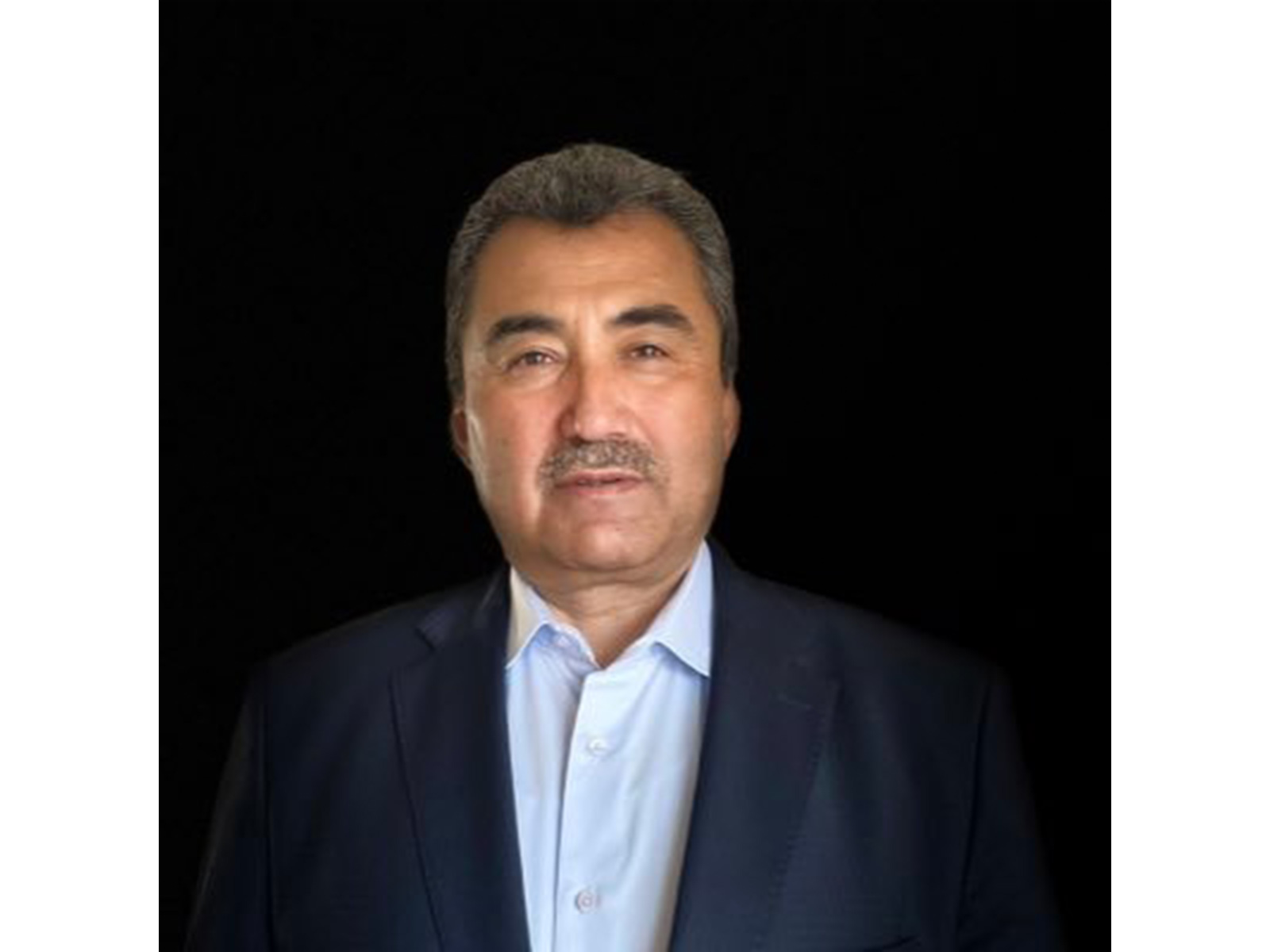
Virginia [United States], January 19 : In a recent article, Abdulhakim Idris, Executive Director of the Centre for Uyghur Studies, warned that China's reported bans on Uyghur songs are part of a broader campaign to erase Uyghur culture.
This article has been published by the Centre for Uyghur Studies, a non-profit organisation based in Virginia, United States.
Idris said the restrictions on music go beyond regulating art, as they threaten the survival of a people's identity.
According to Idris, Chinese authorities have labelled Uyghur songs "problematic" for reasons including religious content, references to history, or the promotion of "discontent" with society.
He noted that these broad categories could criminalise nearly any song, particularly those reflecting faith, homeland, or traditional values.
In his article, Idris emphasised that music is central to Uyghur cultural life. It preserves language, poetry, humour, and social customs, and passes heritage from one generation to the next.
"When songs change, memory changes," he wrote, describing how cultural destruction occurs gradually, often unnoticed.
Idris drew parallels with the Cultural Revolution, when Uyghur traditions were forcibly altered to align with Chinese communist ideology.
He highlighted reports of mass detention, pervasive surveillance, and policies that separate children from their language environment, noting that millions of Uyghurs, Kazakhs, and other Turkic Muslims are affected.
Human rights organisations and the United Nations have raised concerns about the scale of abuses, which may amount to crimes against humanity.
In the article, Idris also pointed out that cultural leaders, writers, scholars, performers, and religious figures are frequently targeted because they protect community memory.
"When poets, professors, and performers are silenced, a community loses more than individuals; it loses transmitters of heritage," he wrote.
Idris warned that China's policies aim to assimilate Uyghurs into a single, state-approved identity, gradually erasing distinct language, faith, and culture.
He described music as a "portable homeland" that people carry when everything else is taken, and argued that banning songs is effectively outlawing belonging.
The activist concluded that global attention often focuses on crises that explode suddenly, but cultural erasure happens quietly and steadily.