V Young Scientists Congress becomes largest since inception
Dec 03, 2025
Moscow [Russia], December 3 : The fifth edition of the Young Scientists Congress concluded on the federal territory of Sirius, emerging as the largest gathering since its inception and reflecting a sharp rise in global scientific engagement. The TV BRICS international media network partnered as the event's global information collaborator.
As reported by TV BRICS, over the past five years participation has grown significantly, applications tripled and the number of participating countries quadrupled. For the 2025 edition alone, organisers received 16,000 applications. Nearly 8,000 attendees from 89 Russian regions and 100 foreign countries took part, representing 480 Russian and 44 international universities. The scale of attendance underscored a rising international interest in the work and innovations of Russian researchers.
The congress facilitated extensive collaboration, with 47 agreements signed among business leaders, academic institutions, and public organisations. Support from over 20 major Russian companies--25 per cent more than last year highlighted the private sector's growing involvement in scientific and technological development.
Russian President Vladimir Putin met the participants at the close of the event, noting that the congress had fulfilled its objective of fostering open dialogue and meaningful connections among emerging researchers. He emphasised that science, like art and sport, should transcend politics and serve as a unifying force.
The central plenary session, titled "Energy of Science: From Knowledge Potential to Creating the Future," was moderated by Deputy Prime Minister Dmitry Chernyshenko. He stressed that Russia's long-term progress continues to rely on a strong scientific and technological foundation, with national projects launched in 2025 and two new ones, "Space" and "Bioeconomy," set to begin next year, forming the core of that strategy.
More than 550 events, including discussions, lectures, masterclasses and screenings, formed part of the programme. The BRICS Social Sciences and Humanities Research Forum brought together young researchers from member countries to advance joint research and educational exchanges.
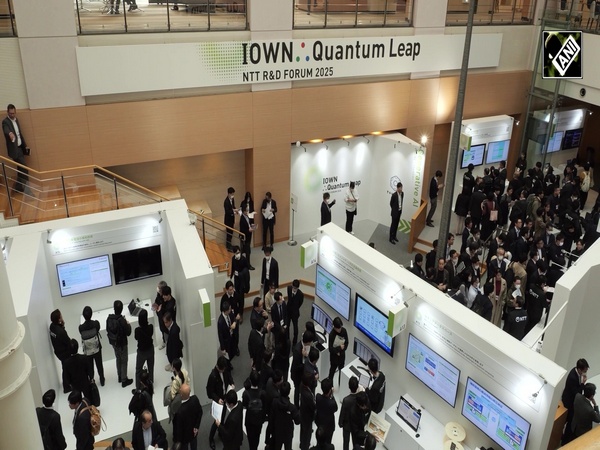
A record proportion of participants over 30 per cent, held academic degrees, with an average age of 32. The exhibition space expanded by 28 per cent, showcasing breakthrough technologies in healthcare, engineering, and digital innovation. More than 50 interactive exhibits highlighted how new scientific developments are already finding real-world application.
Language services were also expanded, with sessions conducted in seven languages, including English, Chinese, Arabic, Portuguese, and Farsi, supported by AI-based interpretation tools. The congress additionally hosted the first Union State Prize ceremony honouring young scientists for outstanding research in natural, technical, and humanitarian fields.