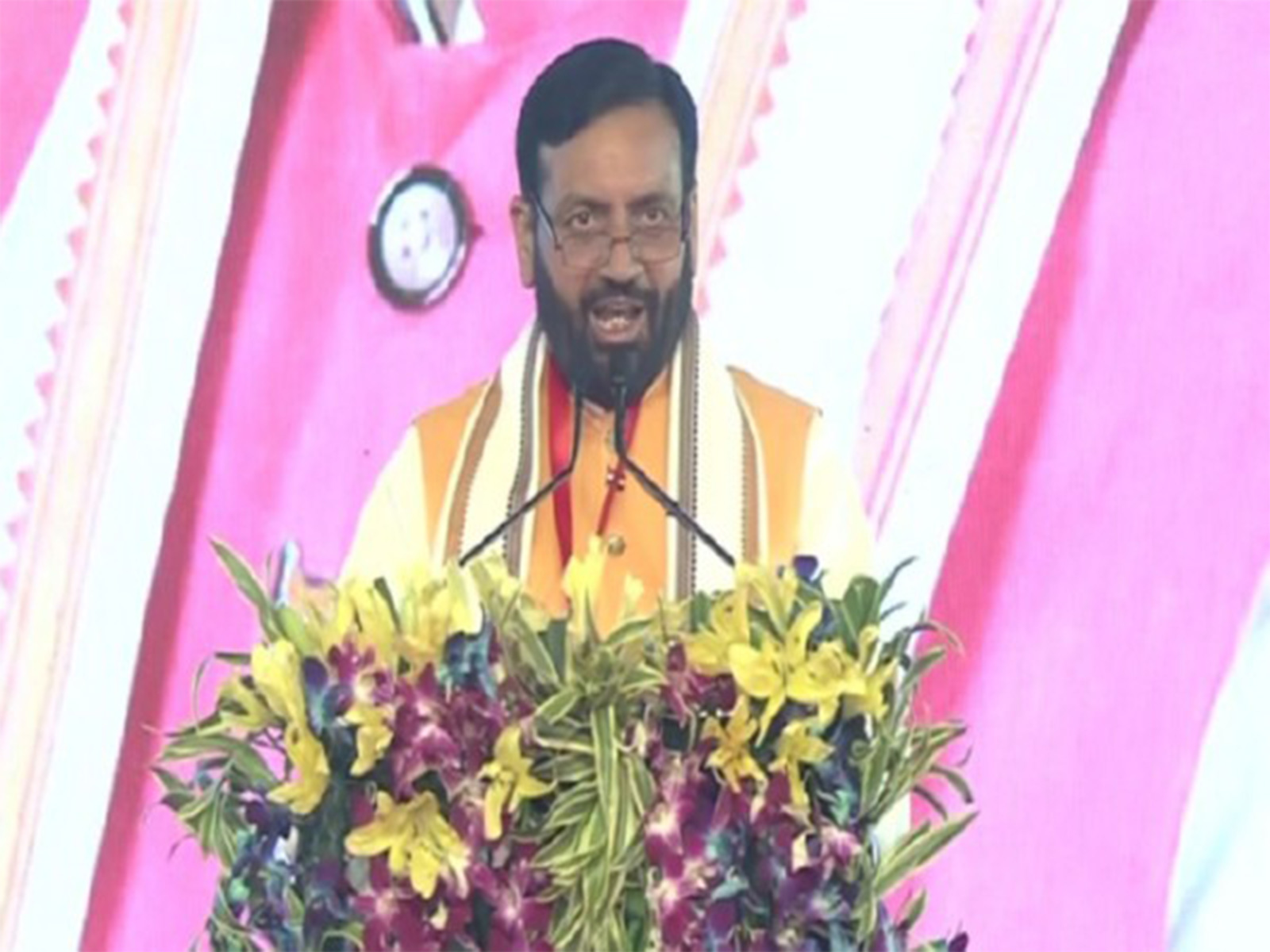
VB G-RAM-G Act will result in more guaranteed workdays, higher wages: Haryana Chief Minister
Jan 05, 2026
New Delhi [India], January 5 : Haryana Chief Minister Nayab Singh Saini has said that the Viksit Bharat-Guarantee for Rozgar and Ajeevika Mission (Gramin) (VB-G RAM G) Act, 2025 represents a fundamental overhaul of rural employment policy in India, ensuring more guaranteed workdays, higher wages, transparent payments and creation of durable assets, while putting an end to the "corruption and inefficiencies" that plagued the earlier MGNREGA framework.
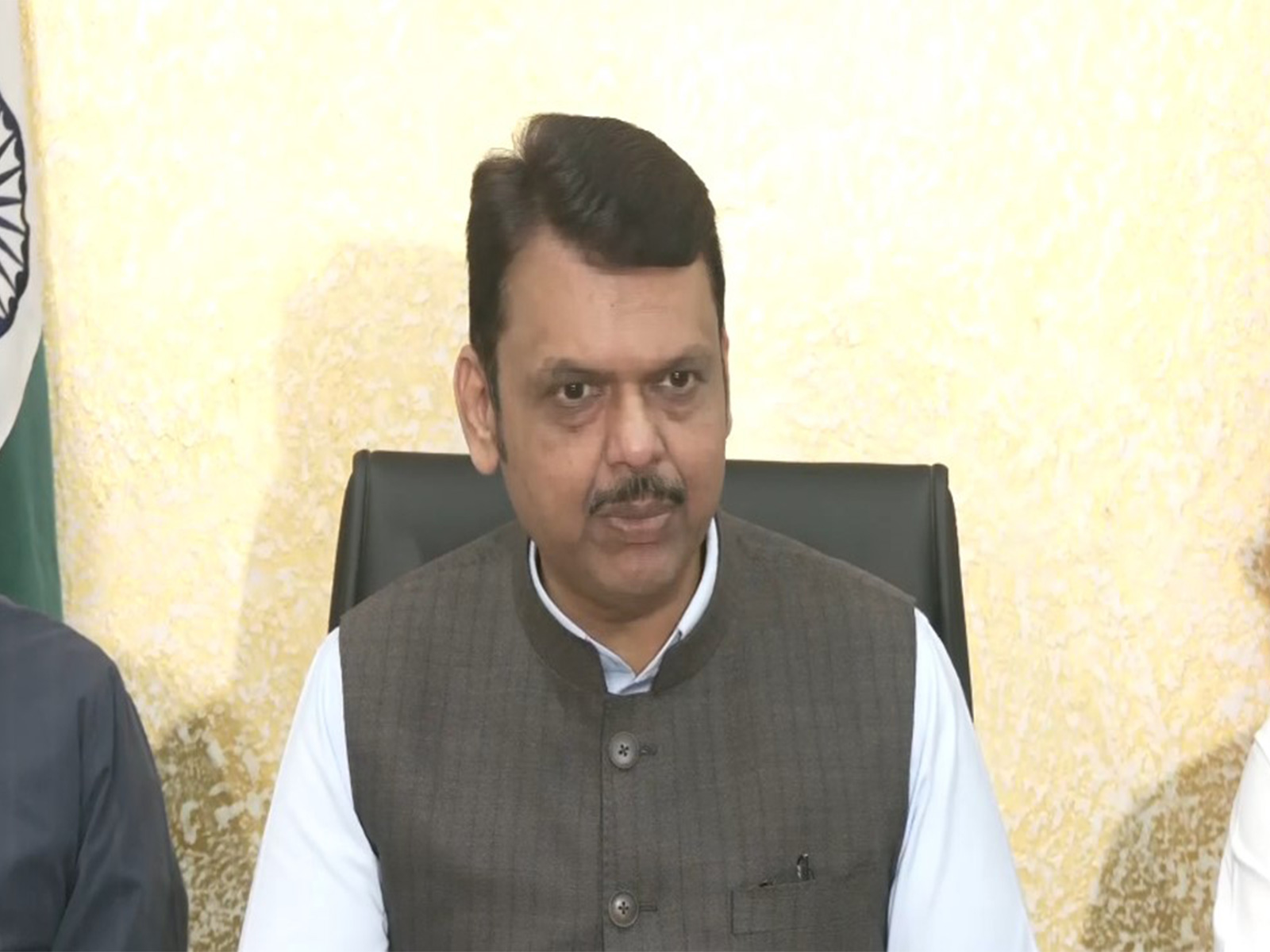
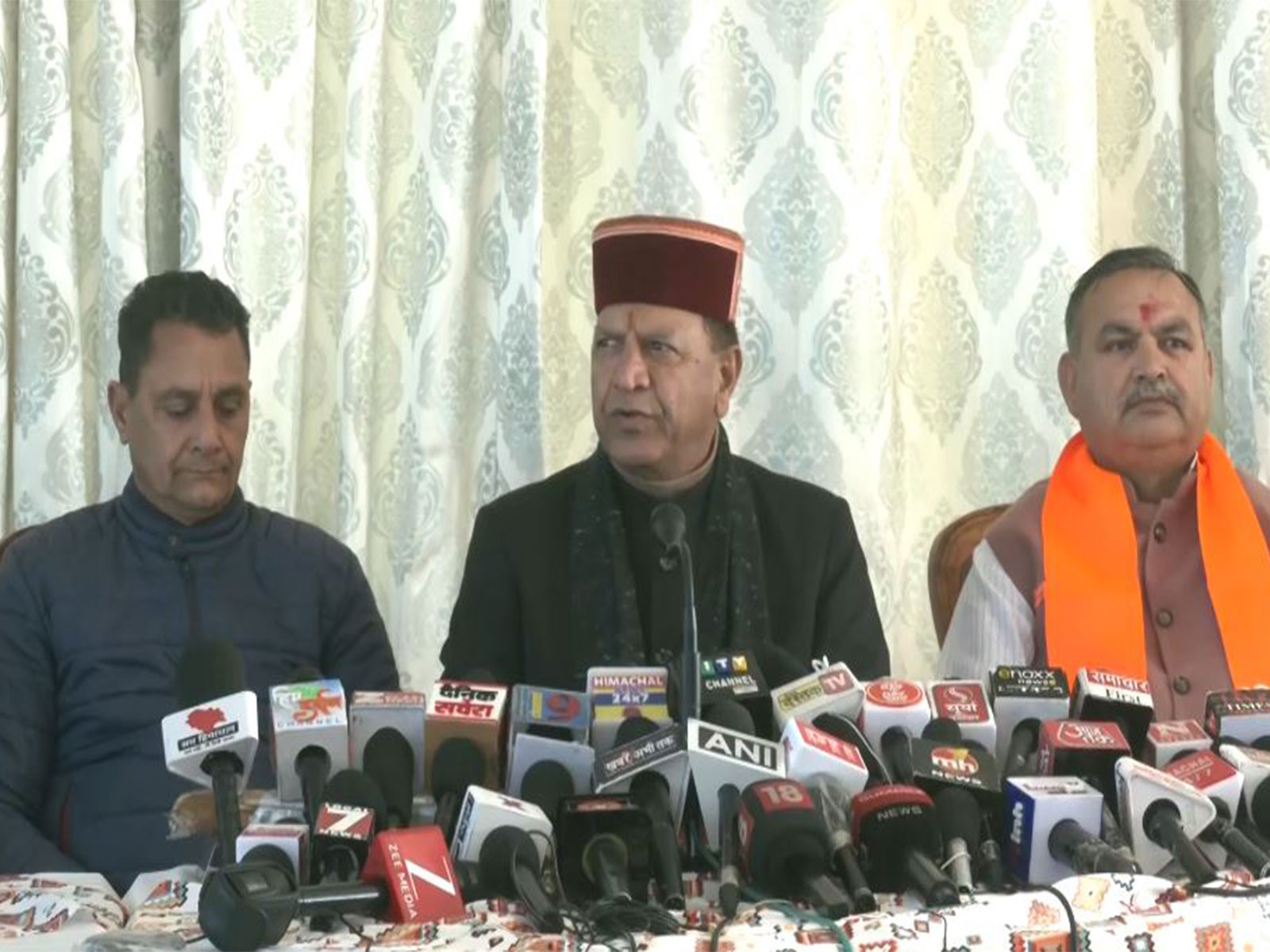
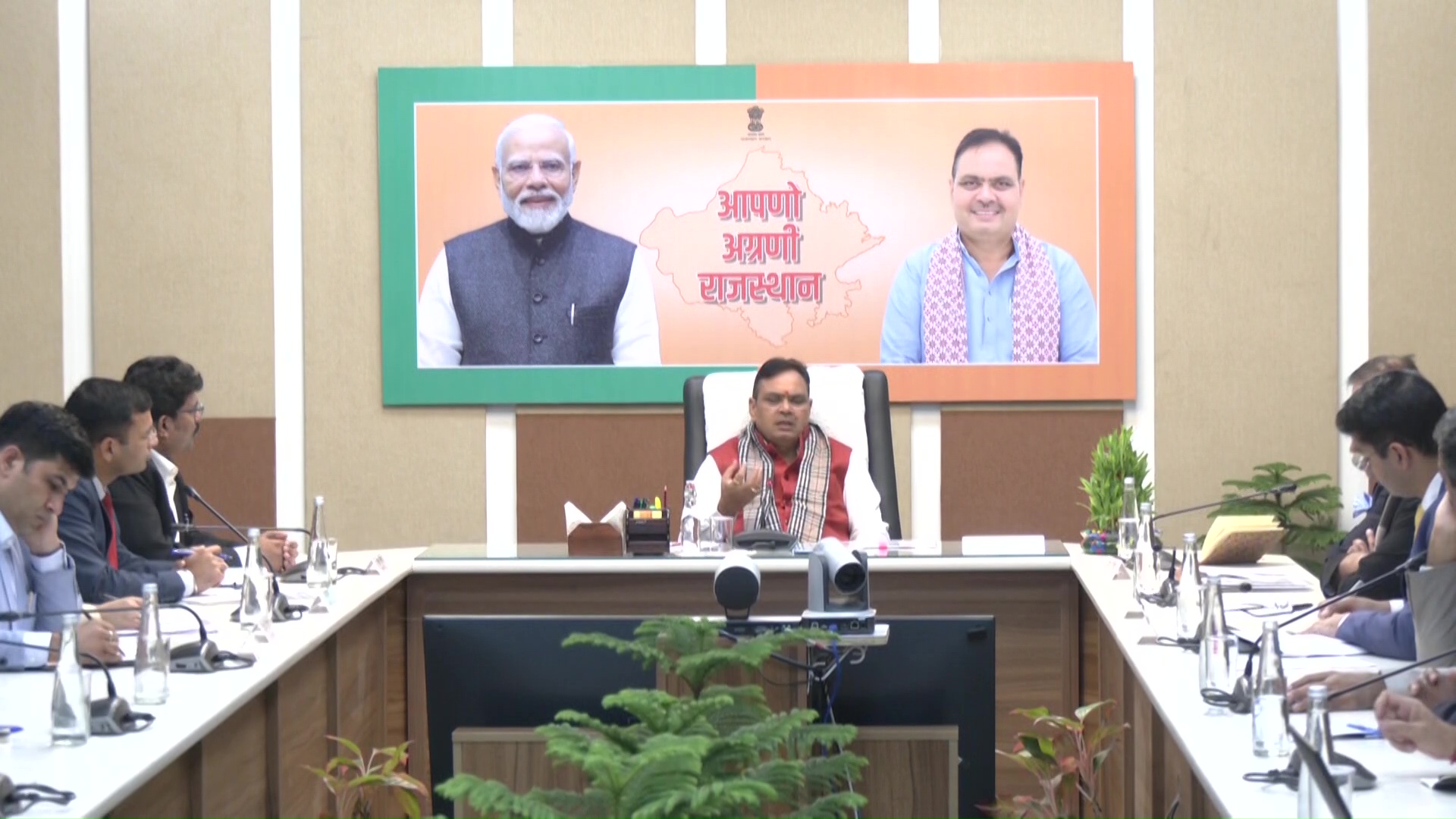
Addressing a press conference today, the Chief Minister said the Viksit Bharat-G-RAM-G Act is designed to support genuine labourers who were betrayed under previous governments. He said, this law ensures real-time monitoring, transparent wage payments and higher guaranteed employment. Rural workers will now contribute to building a truly developed India, rather than enriching corrupt contractors, officials or politicians.
He said the new law, introduced under Prime Minister Narendra Modi's leadership, replaces an outdated structure that no longer reflects the realities of India's transformed rural economy. He said the legislation is directly linked to the lives and livelihoods of crores of rural labourers, farmers and working families across the country.
The Chief Minister said that MGNREGA, launched nearly two decades ago, was conceived in a different economic and social context. Like all public welfare schemes, it required reform as circumstances changed. However, successive governments failed to address its structural weaknesses, he said, according to a release.
He said that over the past 20 years, India's rural economy has undergone a fundamental shift. Rural poverty, which stood at over 25 percent in 2011-12, has now declined to below 5 percent. At the same time, the last decade has witnessed unprecedented expansion in digital connectivity, banking access, Aadhaar coverage, Direct Benefit Transfer systems and infrastructure development. Continuing with a flawed and outdated employment structure without reform was neither in the interest of labourers nor of the nation, said Saini.
The Chief Minister said that under the new law, the employment guarantee has been increased from 100 to 125 days, significantly enhancing assured income for rural workers. He said this would lead to an average annual income increase of over Rs. 7,000 for an unskilled rural worker across India. In Haryana, where wage rates are the highest in the country, each worker would earn at least Rs. 10,000 more annually, he said.
The Chief Minister said the Centre has allocated Rs. 1.51 lakh crore for the scheme this year, surpassing last year's record allocation of Rs. 88,000 crore. He said the Central Government's share alone exceeds Rs.95,000 crore, with a commitment to further increase funding in the coming years to strengthen rural employment security.
Saini said that in the current year, over 52 percent Scheduled Caste workers and more than 65 percent women workers received employment in Haryana under the scheme.He said that unlike earlier practices, this work was actually performed by workers, rather than being executed through machines while labourers remained unemployed.
The Chief Minister said the nature of permissible works has been redefined to ensure long-term benefits. Employment will now be generated in water security, rural infrastructure, livelihood resources and climate-resilient asset creation. He added that Gram Panchayat plans have been aligned with the PM Gati Shakti Master Plan, ensuring that village-level works contribute directly to national development goals.
He said the scheme includes a 60-day pause during peak agricultural seasons, allowing labourers to support farming activities and earn higher market wages, while farmers receive timely labour support. He said that mandatory weekly wage payments, with a maximum delay of 15 days, would ensure timely income, financial independence and empowerment for rural workers.
The Chief Minister said the new law incorporates biometric authentication, direct digital wage transfers, geo-tagging of assets and satellite monitoring through ISRO's Bhuvan portal. He said weekly public disclosures and a multi-level grievance redressal system with a seven-day resolution timeline would ensure accountability and transparency. He said that works have been clearly categorised into priority sectors to prevent creation of fake projects for financial manipulation.