Vishal Sikka clarifies 2015 proposed investment in OpenAI amid missed opportunity debate
Feb 19, 2026
By Sahil Pandey
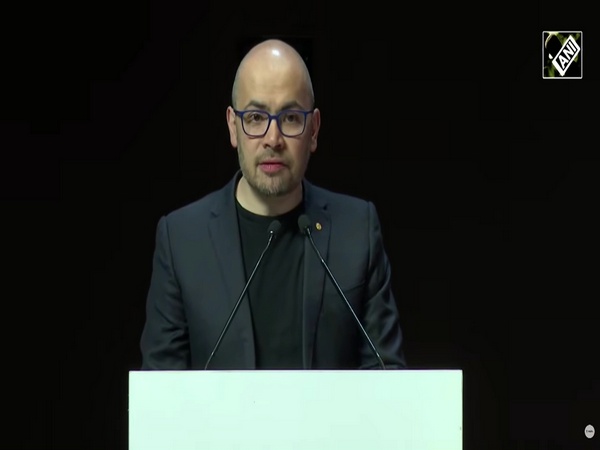
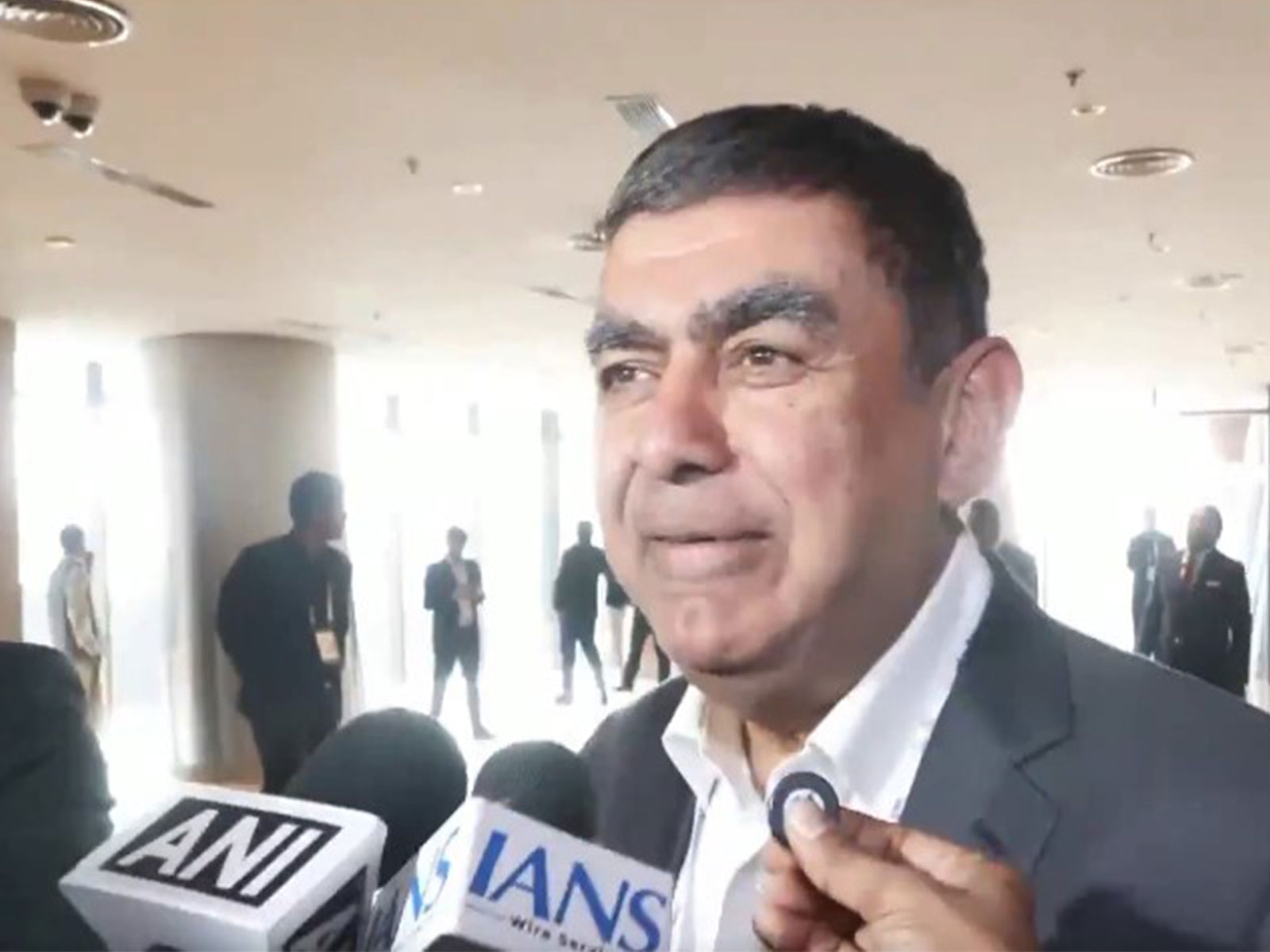
New Delhi [India], February 19 : Former Infosys CEO and founder & CEO Vianai systems ,Vishal Sikka on Thursday addressed the questions about an early association with OpenAI, clarifying that the engagement was philanthropic in nature.
Responding to a query of ANI, on whether an investment made in 2016 could have multiplied significantly in value, Sikka said, "We did give a donation to OpenAI back in 2015 and it was wonderful to work with them."
His remarks come amid renewed discussions around missed opportunities in India's technology sector during the formative years of the global AI boom.
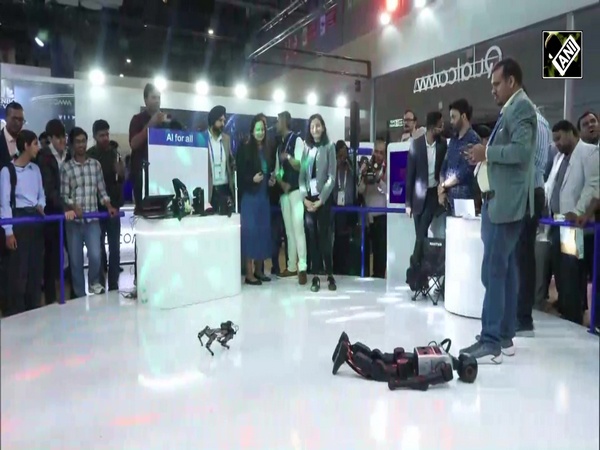
Sikka praised the AI Impact Summit, calling it "incredible" and noting that it has "set a new standard in a gathering around AI." He said the event reflects both the leadership of Prime Minister Narendra Modi and the broader vision of the government. "It is a reflection of both the Prime Minister and the government's leadership and also what India can mean for AI and of course what AI means for India," he said.
During his tenure between 2014 and 2017, Sikka had aggressively positioned Infosys to become an AI-first enterprise, advocating automation, platform-led transformation and deeper bets on emerging technologies.
However, the push reportedly ran into resistance from Infosys co-founder Narayana Murthy, who raised concerns over executive compensation, governance standards and cultural direction within the company.
Infosys proposal to invest up to USD 1 billion into OpenAI in 2015-16, a move that was later withdrawn, is now being discussed as a defining moment. With OpenAI now at the forefront of the generative AI revolution, such a stake would hypothetically have been valued at several multiples of the original amount.
While global technology firms doubled down on frontier AI research and product innovation, much of the Indian IT industry continued to rely heavily on labour arbitrage and traditional services models.
Today, as AI reshapes enterprise technology and operating models worldwide, the episode is increasingly viewed as a case study in strategic risk appetite and corporate boardroom alignment.