We are digitising and preserving ancient manuscripts to safeguard our heritage for future generations: PM Modi
Mar 31, 2026
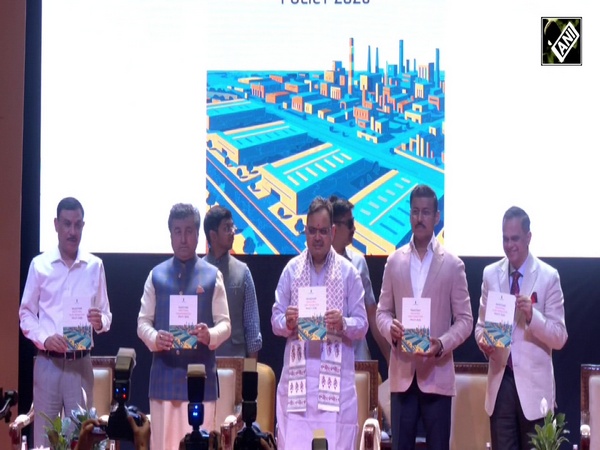
Gandhinagar (Gujarat) [India], March 31 : Highlighting the neglect of valuable manuscripts by previous governments, Prime Minister Narendra Modi on Tuesday emphasised that his administration is actively working to preserve them through the Gyan Bharatam Mission.
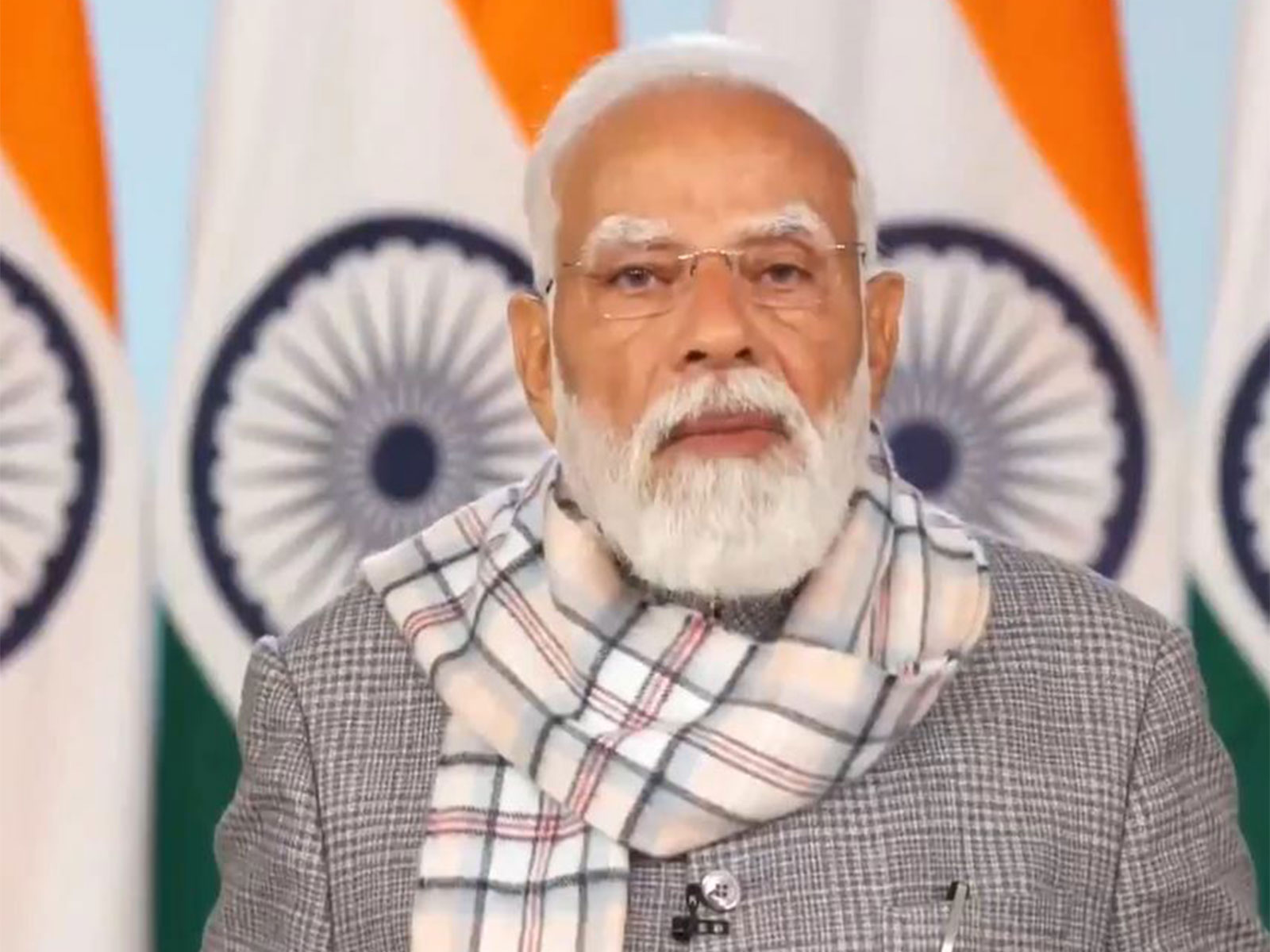
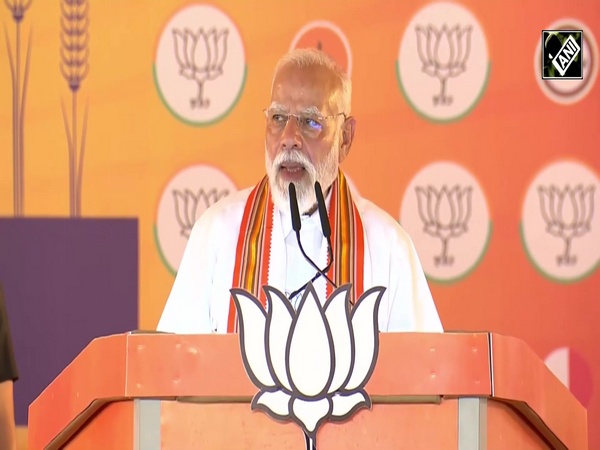
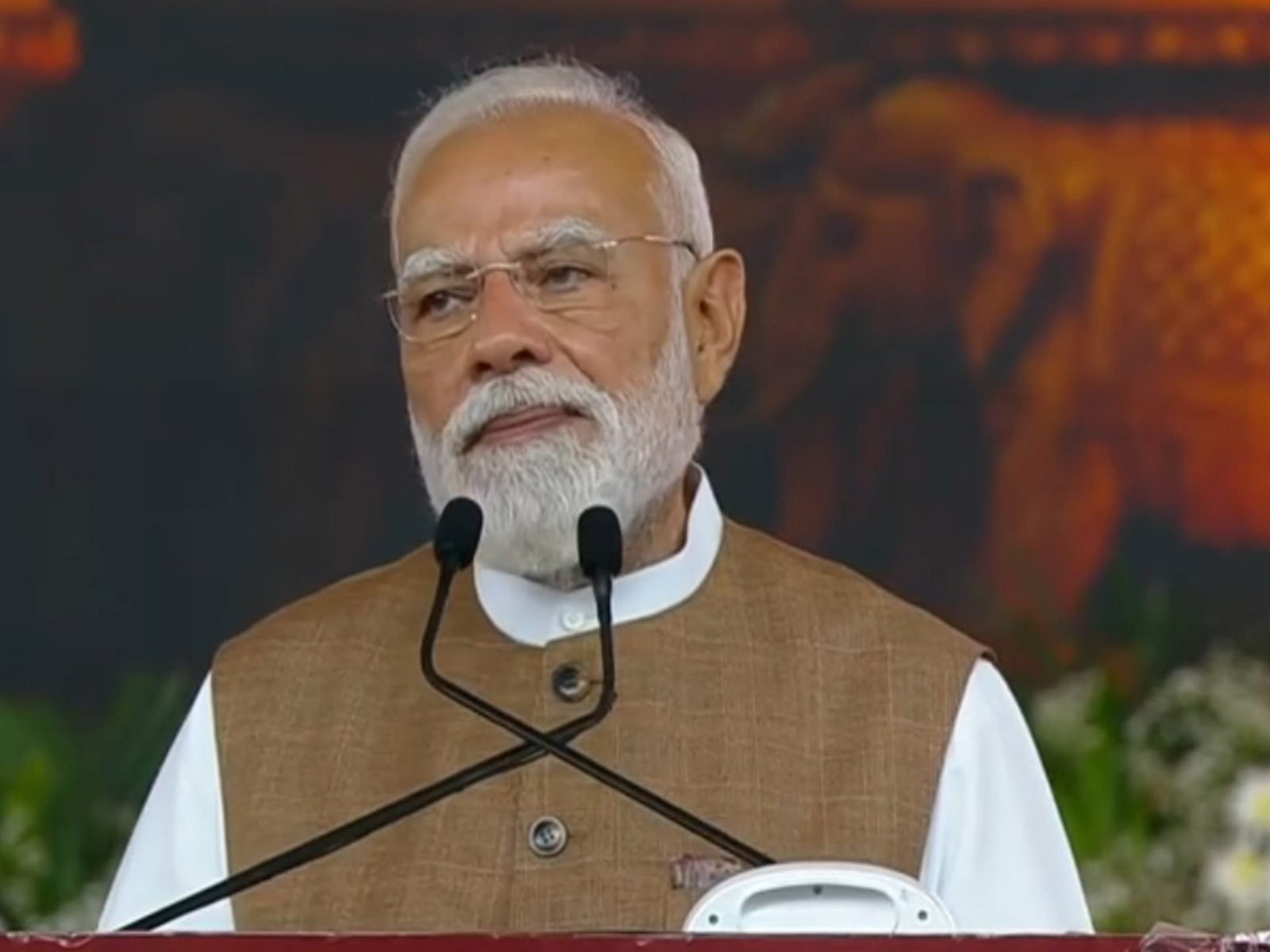
Speaking at the inauguration of the Samrat Samprati Museum in Korba Pith, the Prime Minister explained that the mission focuses on digitising and scientifically preserving ancient manuscripts.
"We are addressing the mistakes of previous governments, which neglected the preservation of valuable manuscripts. To rectify this, we have launched the Gyan Bharatam Mission, making extensive use of modern technology. Through this initiative, ancient manuscripts are being digitised and preserved using scientific methods. Efforts include high-quality scanning, chemical treatment, and the creation of comprehensive digital collections, all aimed at safeguarding our rich heritage for future generations," said the Prime Minister.
PM Modi highlighted the significance of Korba Pith as a centre where values are preserved, cultural ethos is strengthened, and knowledge is nurtured. He stated that the confluence of study, spiritual practice, and self-discipline forms the foundation of Indian civilisation.
"For years, I have witnessed how a continuous tradition of study, spiritual practice, and self-discipline has been upheld here at Koba Tirth. Here, values are preserved, cultural ethos is strengthened, and knowledge is nurtured. This confluence of three streams--study, spiritual practice, and self-discipline--forms the very bedrock of Indian civilisation. It is the collective duty of us all to ensure that this sacred confluence flows smoothly, said PM Modi.
He also praised the museum, calling it "a sacred sanctuary for Jain philosophy, Indian culture, and our ancient heritage," and expressed his respect for the Jain monks and saints involved in this initiative.
"This Samrat Samprati Museum has emerged as a sacred sanctuary for Jain philosophy, Indian culture, and our ancient heritage. I offer my heartfelt commendations to all our Jain monks and saints for this extraordinary endeavour. I bow in reverence at their feet," he added.
PM Modi stressed that in today's volatile global environment, where instability and unrest are widespread, the lessons preserved in this museum hold profound significance--not only for India but for the entire world.
"Given the current global landscape--the way the world is being scorched by the fires of instability and unrest--the heritage preserved within this museum, and the message it conveys, holds immense significance not only for India but for all of humanity... May those who visit this place carry the teachings of India's Jain tradition to every corner of the world," said PM Modi.
Recalling India's historical centres of learning, he noted that institutions like Takshashila and Nalanda once housed hundreds of thousands of manuscripts. However, foreign invasions, fueled by religious intolerance, led to the destruction of these priceless treasures.
"There was a time when our universities--institutions like Takshashila and Nalanda--were filled with hundreds of thousands of texts and manuscripts. Yet, driven by religious bigotry, foreign invaders deemed knowledge itself their enemy and burned them down. How many of humanity's great treasures were destroyed. In those difficult times, people safeguarded and protected those manuscripts that had been handed down through generations. After independence, the task of discovering and preserving them should have been a national responsibility. But, unfortunately--due to a colonial mindset--no attention was paid to this endeavour," said PM Modi.