"We are not making enough content": Riteish Deshmukh opens up about challenges faced by Marathi film industry
Mar 16, 2026
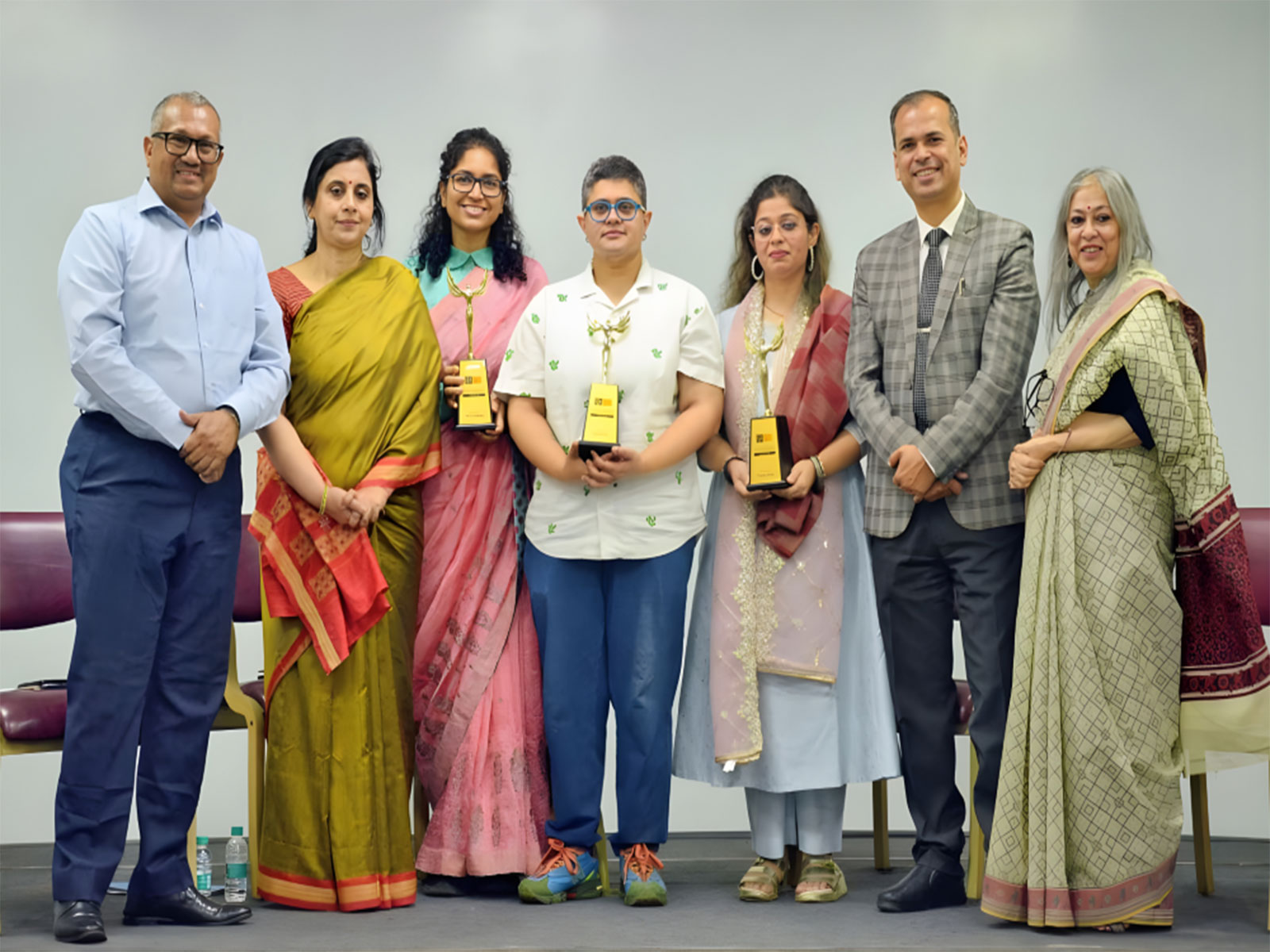
Mumbai (Maharashtra) [India], March 16 : Actor Riteish Deshmukh recently spoke about the "birth" of Indian cinema and the challenges faced by Marathi films while attending the 'Vision India: Creative Economy Summit'.
While addressing the event, he said that although the film industry began in Maharashtra, Marathi films gradually began "shrinking" as Hindi cinema grew larger.
Discussing the origins of the industry, Riteish referred to the "birth" of cinema in Maharashtra and credited legendary filmmaker Dadasaheb Phalke for starting the journey. He explained that Mumbai played a pivotal role in the early days of Indian cinema.
"The birth of the film industry happened here in Maharashtra, in Mumbai. A Marathi man, Dadasaheb Phalke, started this journey... When Hindi films began growing bigger, Marathi content started shrinking," Riteish said.
He also highlighted how other states give more importance to their local-language films. He pointed out that in Maharashtra, Hindi often became the first choice, while Marathi was pushed to second place, gradually causing the industry to lose its space. Speaking further, he noted the large Marathi-speaking population and stressed that not enough films are being made for them. "This was because, for example, in Andhra Pradesh or Tamil Nadu, the local language and content consumed in the local language were prioritised, while Hindi came second and English third. Similarly, in Karnataka or Kerala. But in Maharashtra, the first choice was Hindi, and the second was Marathi."
"That started depleting in the middle years. If you look at Maharashtra's population today, the Marathi-speaking population could be anywhere from 9.5 to 11 crores, much more than the population of Tamil Nadu or Andhra Pradesh. Despite this large population, we are not making enough content for them. That is a problem," he added.
Riteish also discussed the "economics" of the Marathi film industry, explaining that most Marathi films are made on smaller budgets, which makes it difficult for them to match the scale of big Hindi or South Indian films. He added that many Marathi films are produced with budgets ranging from Rs 3 to 7 crore, limiting what filmmakers can achieve on screen. "What happens when films don't do well? Let me explain a bit of the economics of the Marathi film industry. Mostly, when Marathi films are made, they are budgeted at Rs 3, 5, 6, or 7 crore. While there isn't much difference in ticket prices between Marathi and Hindi cinema, the budget restrictions prevent the creation of films on the same scale as Hindi or South Indian films."
"When a film has a smaller budget, you have only so much to work with. When you go to watch a film, you might have a choice: 'I have Rs 200, should I watch a Rs 7 crore film or a Rs 100 crore film?' The larger the scale, the more thrilling the experience, and the audience enjoys it more. When faced with this choice, it starts to shrink. Budgets shrink, collections don't happen, and it becomes very difficult..." he added.