"We need to have our own systems...": Air Marshal Sanjiv Ghuratia on Military Power Systems 2026 seminar for Defence and Aerospace
Jan 07, 2026
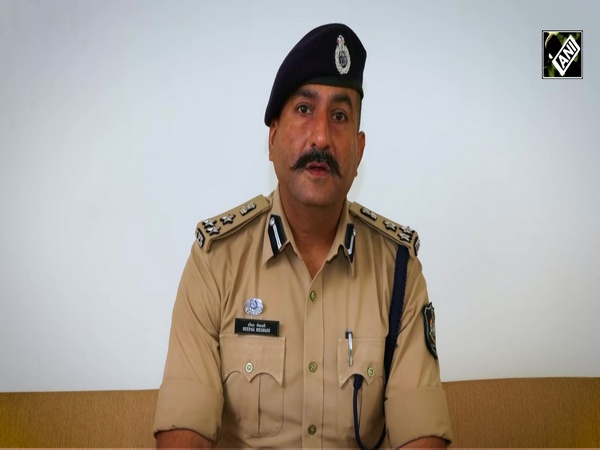
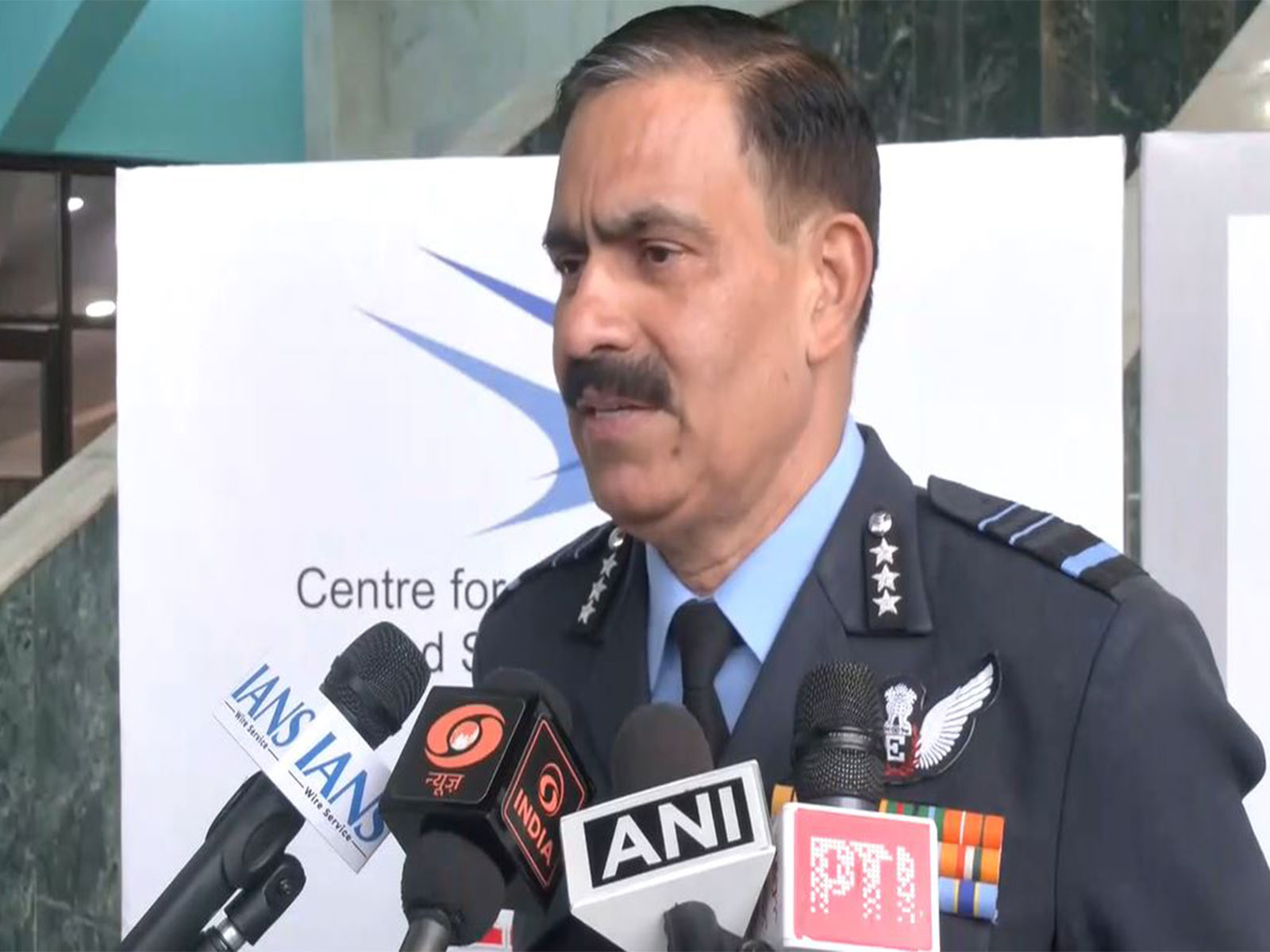
New Delhi [India], January 7 : Air Marshal Sanjiv Ghuratia, on Wednesday, while speaking at the Military Power Systems 2026 seminar for Defence and Aerospace, stated that in order to compete with what's happening around the world, it is important that India should have its own additional systems and manufacturing capabilities.
He praised the training centre for organising the event and stressed the importance of maintaining technological superiority and staying contemporary to compete globally.
"My compliments to the training centre for conducting this seminar... We need more systems and our own manufacturing capabilities. In this world, we have to compete with what is happening around us, and to be technologically superior and contemporary, we need to have our own systems. Any weapon system needs to be powered by our system. We need better energy management resources, advanced technology, and our own innovative approach to find solutions that can lead us to these nations...This seminar will discuss many of the issues and areas that require significant deliberation. We know our aim, but this will discuss how we will reach there..." he said.
Ghuratia, who recently assumed the role of Air Officer-in-Charge Maintenance, succeeding Air Marshal CR Mohan, highlighted India's progress in aerospace, including indigenous fighters such as the Tejas Mk-1A and advanced drones.
Air Marshal Sanjiv Ghuratia, AVSM, VSM, assumed charge on September 1, 2025. The AOM position was established post-independence to provide autonomy and focused leadership for the IAF's growing technical and logistical needs, as the IAF transitioned from British Royal Air Force structures.
He emphasised the need for self-reliance (Atmanirbhar Bharat) in defence production, aligning with India's broader strategic goals.
Meanwhile, the Indian defence forces are working towards creating a joint Counter Unmanned Aerial System (CUAS) grid to foil any enemy drone attacks.
The joint CUAS grid being created by networking all the CUAS systems of the forces will be separate from the existing air defence networks of the defence forces, such as the Integrated Air Command and Control Systems (IACCS) of the Indian Air Force.
The joint CUAS grid would be established with the existing Joint Air Defence Centres (JADC), including the three services, and deployed to monitor all drone movements, they said.
The CUAS grid would be used to monitor the enemy or rogue drone attacks.
The forces' existing air defence networks would have been overburdened if tasked with monitoring small drones and unmanned aerial systems as well.
The CUAS grid will integrate a large number of counter-drone air defence systems acquired by the three services over the last five to 10 years.
During Operation Sindoor, the Pakistan Army tried to target Indian civilian and military installations in a big way by using Turkish and Chinese-origin drones. Still, they were foiled effectively by the three services, especially the Army Air Defence.
Major damage to small drones was caused by the L-70 and ZU-23 air-defence guns of the Indian Army.
The Indian Army is also now working on deploying air defence guns in population centres to protect them from any type of aerial attacks by enemy drones and other aircraft.
At a higher level, the government is also working to develop a shield against aerial attacks under the Mission Sudarshan Chakra, for which a committee has already been established.
The Chief of the Defence Staff is responsible for integrating the three forces and enhancing jointness among them.