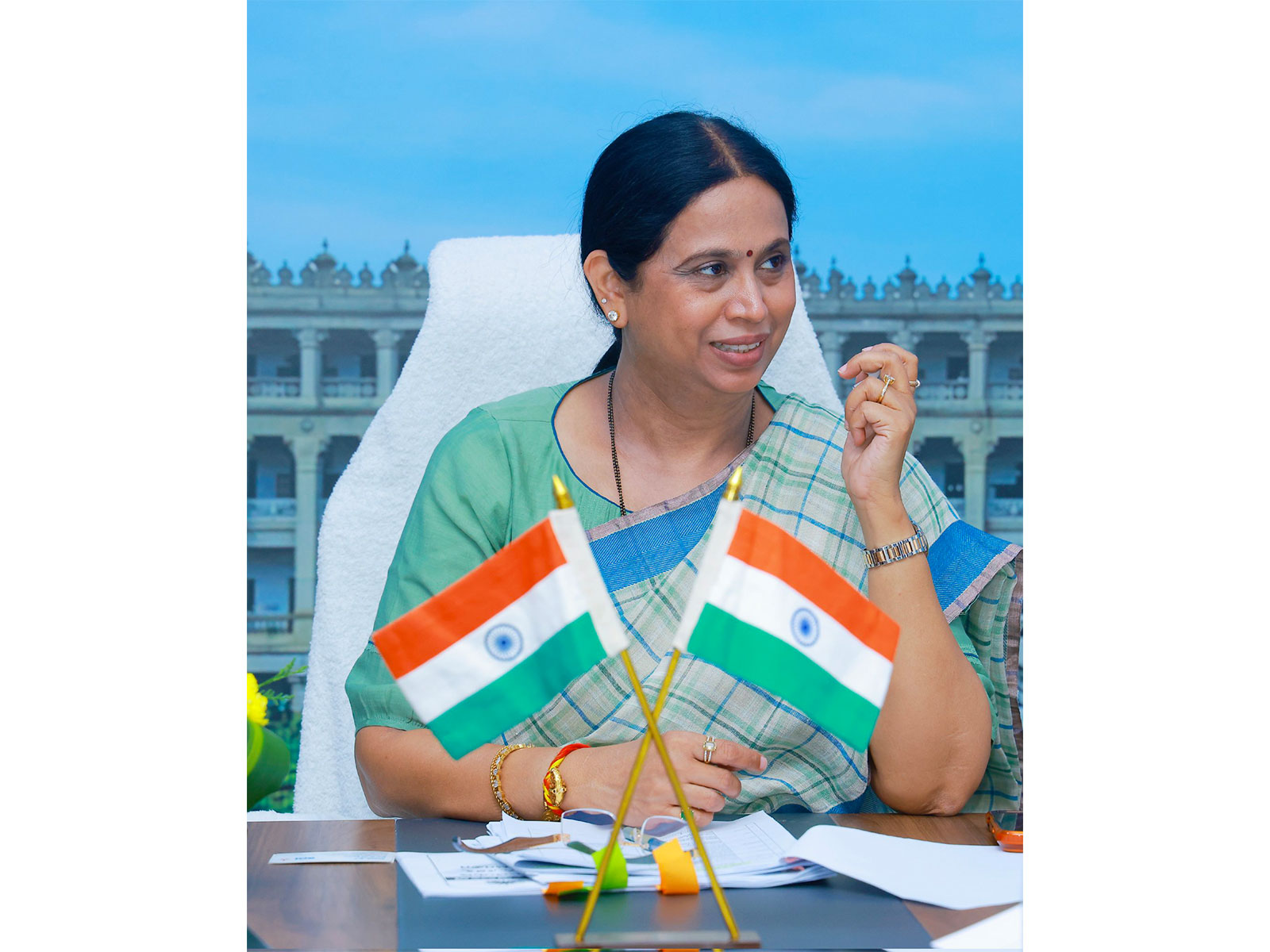
"We're set to start LKG, UKG classes in Anganwadis": Karnataka Minister Lakshmi Hebbalkar
Mar 18, 2026
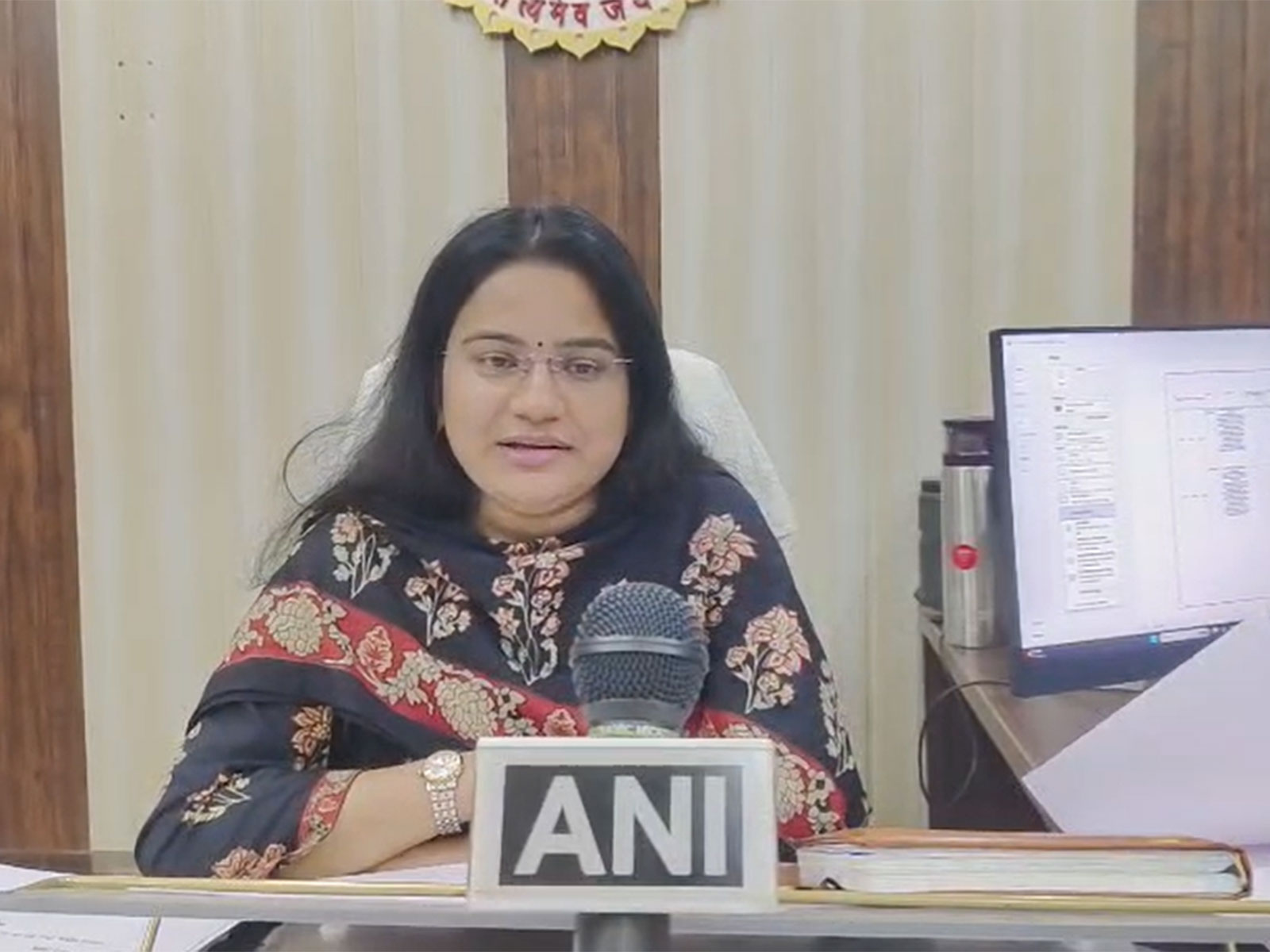
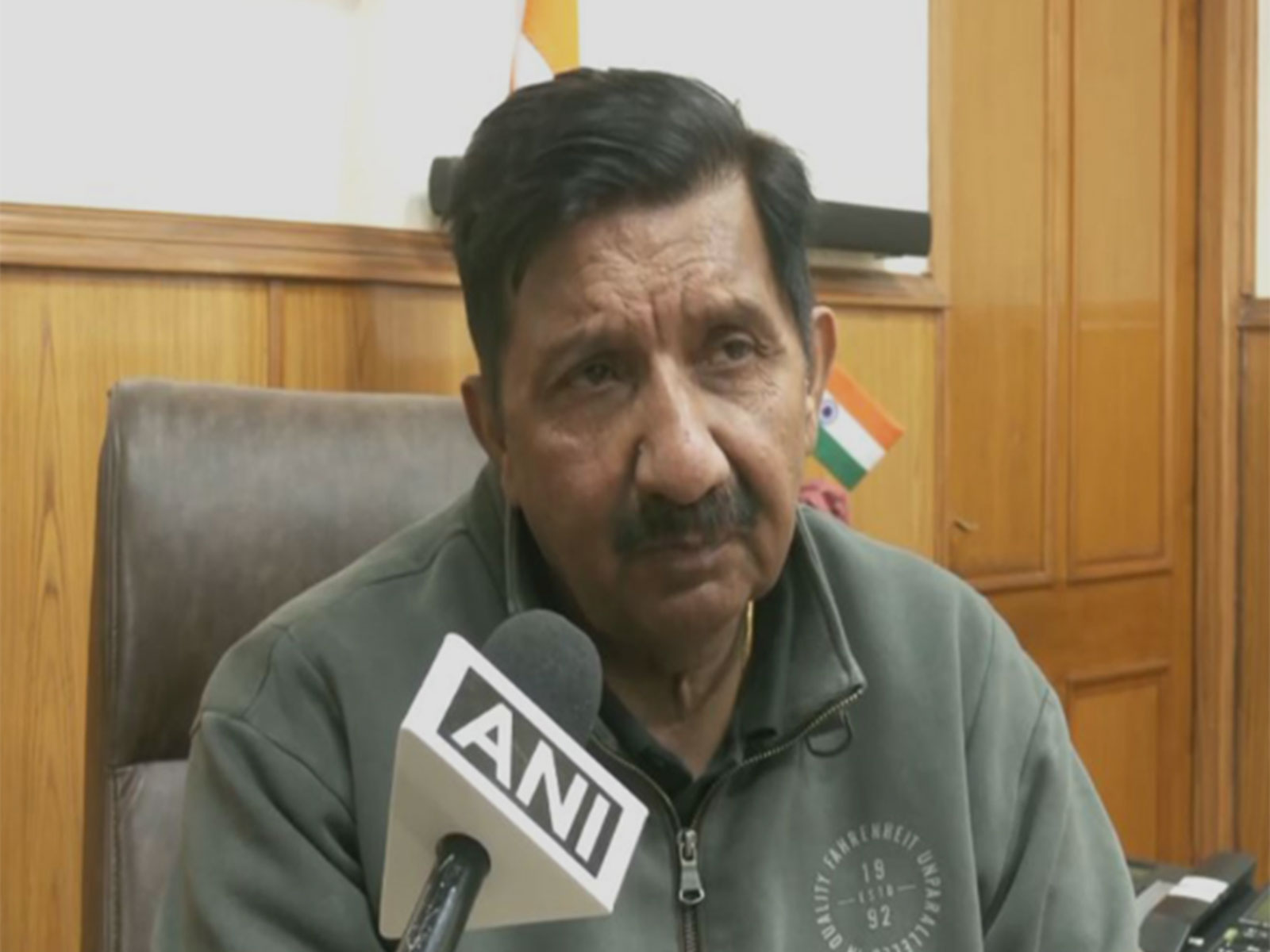
New Delhi [India], March 18 : Karnataka Minister for Women and Child Welfare Lakshmi Hebbalkar on Wednesday announced that the state is set to introduce LKG and UKG classes in Anganwadis, alongside the launch of Government Montessoris to enhance early childhood education.
Speaking in the state assembly, Minister Hebbalkar said, "This time, we are set to start LKG and UKG classes in Anganwadis. We will be launching Government Montessoris."
She further highlighted the progress in upgrading Anganwadis, saying, "We have already upgraded 5,000 Anganwadis, and we are prepared to upgrade another 5,000 this coming June. We must provide quality education in Anganwadis as well."
Addressing queries related to staffing, she added, "Who comes to Anganwadis? You mentioned KPSC; that is a good suggestion. If they are selected based on merit, it is up to them--we cannot dictate where they should or shouldn't work. I would like to bring to your notice that about 17,000 workers in our department (Anganwadis) are highly qualified, including Postgraduates and those with MA, M.Com, and B.Sc degrees. We, too, need to maintain high standards of quality."
Meanwhile, under the Saksham Anganwadi and Poshan 2.0 scheme, the Central Government has so far upgraded 1,03,940 Anganwadi Centres (AWCs) into Saksham Anganwadi Centres for better delivery of nutrition and increased focus on Early Childhood Care and Education (ECCE) services to the beneficiaries.
The upgradation includes provision of LED screens and other audio-visual aids, Wi-Fi/Internet connectivity (wherever feasible), safe drinking water facilities such as water filters/RO systems, BaLA (Building as Learning Aid) paintings, age-appropriate ECCE learning materials, Poshan Vatikas (kitchen gardens), clean storage facility for provisions, rainwater harvesting systems, and other item/ works as per local requirement.
These improvements help create a safe, stimulating, and enabling environment for early learning, facilitating the delivery of ECCE through play-based and activity-based pedagogical practices, thereby supporting the holistic development and school readiness of children aged 3-6 years.