West Asia conflict continues to weigh down India's stock indices; Sensex dips 829 points
Mar 12, 2026
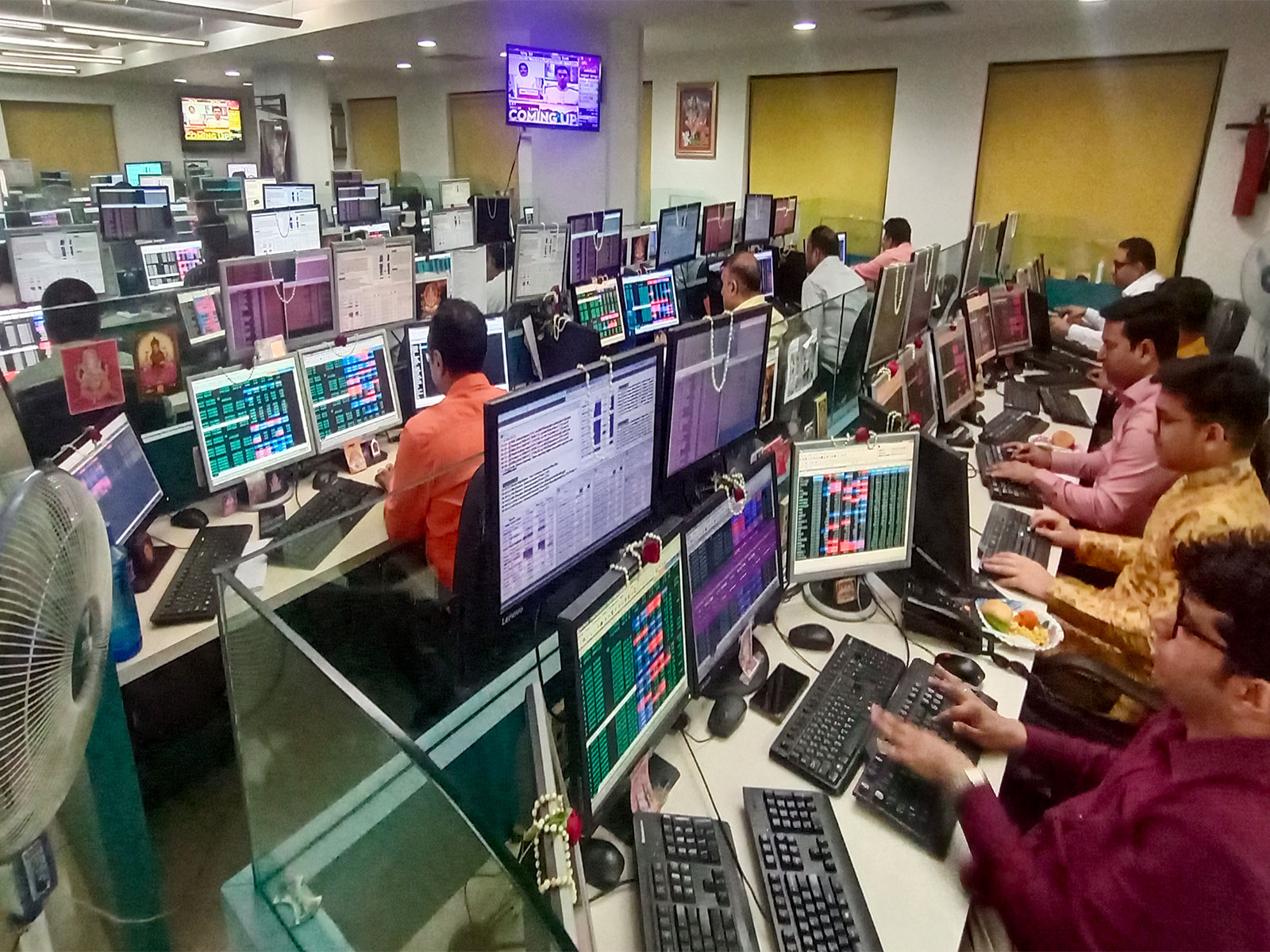
New Delhi [India], March 12 : Indian stock markets settled in the red on Thursday as escalating tensions in West Asia and again a sharp rise in crude oil prices weighed on investor sentiment. The frontline indices continued to fall.
Sensex closed at 76,034.42 points, down 829.29 points or 1.08 per cent, while Nifty closed at 23,639.15 points, down 227.70 or 0.95 per cent.
The benchmark indices came under pressure after Iran's Navy Chief reportedly said that vessels seeking to sail through the Strait of Hormuz would require Iran's approval or could be targeted, raising further concerns about disruptions in global energy supply.
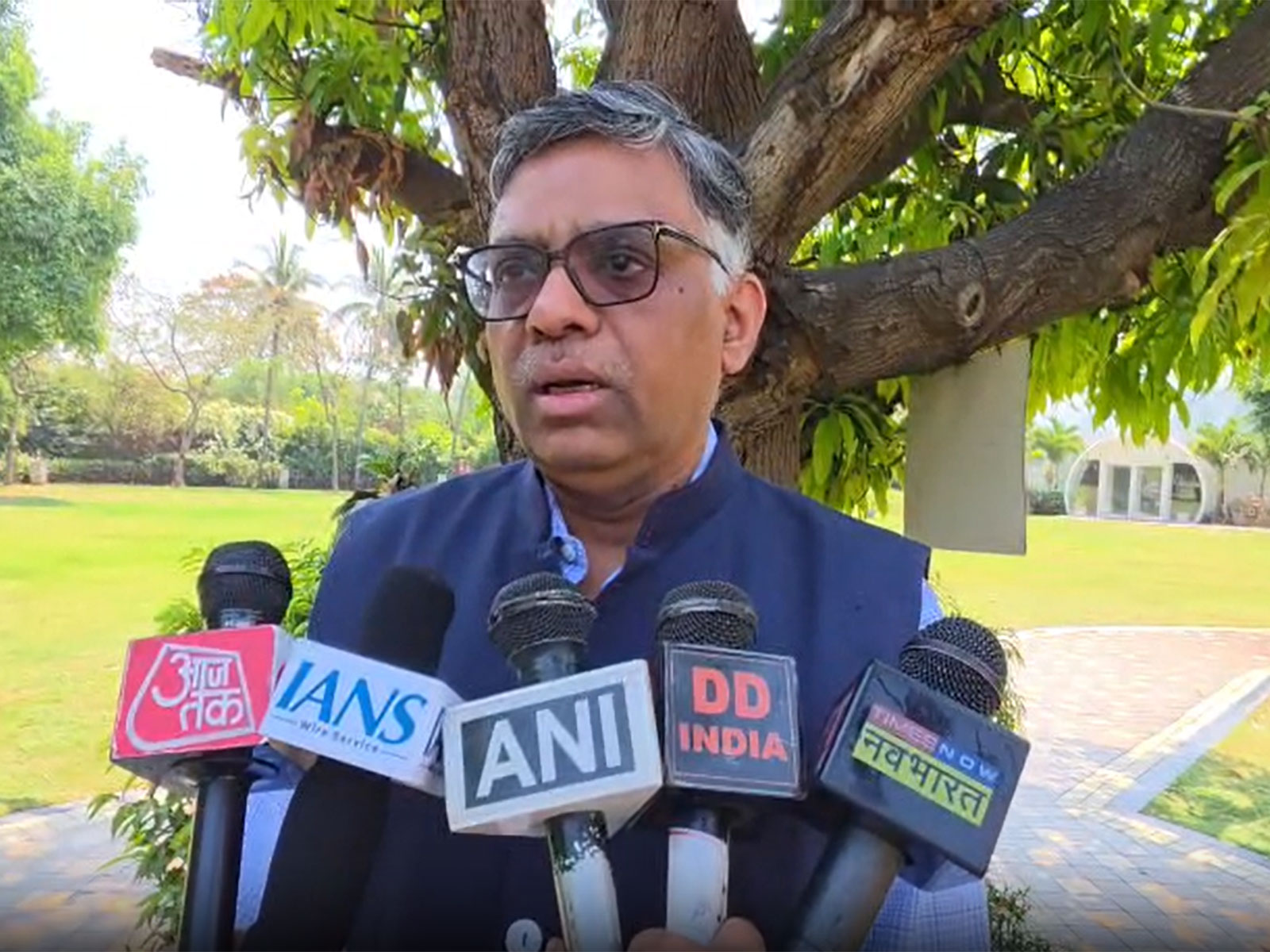
VK Vijayakumar, Chief Investment Strategist, Geojit Investments Limited, said, "External headwinds have pushed the market into a weak zone. With the war continuing to rage with no signs of let-up and Brent crude again bouncing back (higher) levels, the weakness is likely to persist. Even though DIIs are continuously buying in the market, DII buying is not helping the market to recover since FIIs are sustained sellers and show no signs of reversing their strategy in this uncertain global environment."
"For investors, markets can be very frustrating at times. This is one such time. The lesson from market history is that attitude and temperament are important in these trying times. Experiences from previous geopolitical conflicts tell us that markets bounce back smartly once the conflicts get over. Therefore, investors should remain invested and continue with systematic investment plans," added Vijayakumar.
Long term investors can use market weakness to slowly accumulate high-quality blue-chips across sectors, he said, adding that this is also the right time to churn portfolios in favour of high-quality stocks.
Escalating geopolitical tensions in West Asia have invariably weighed down financial markets worldwide throughout this week and the past.
Ponmudi R, CEO of Enrich Money, a SEBI - registered online trading and wealth tech firm, said Indian equity markets traded in a cautious range during the session but eventually closed with a bearish bias, extending the weakness seen in the previous trading day.
"Investor sentiment remained fragile, largely influenced by escalating geopolitical tensions in the Middle East and renewed concerns over maritime security following attacks on Gulf shipping near the Strait of Hormuz. These developments triggered a sharp rise in crude oil prices and increased global risk aversion, leading investors to adopt a defensive stance across financial markets," added Ponmudi R.
Vinod Nair, Head of Research, Geojit Investments Limited, said, "Geopolitical tensions in the Middle East continue to dampen global risk appetite, as fresh attacks on oil-shipping vessels have pushed crude prices closer to USD 100 per barrel, intensifying concerns over inflation and gas supply constraints. The market is witnessing broad-based consolidation, although selective buying has emerged in renewables and utility stocks.
"In the near term, sustained risk-off sentiment and ongoing FII outflows are likely to keep both equities and the INR under pressure. However, the premium valuation of India has narrowed during the year, making it highly investable for a long-term investor, thus reducing the downside risk," Nair added.