West Bengal moving towards "undeclared president rule": Mamata Banerjee accuses Centre of destabilisation, arms smuggling
Mar 20, 2026
Kolkata (West Bengal) [India], March 20 : West Bengal Chief Minister Mamata Banerjee on Friday launched a sharp attack on Prime Minister Narendra Modi and the BJP-led Centre, alleging administrative interference and raising concerns over governance during the election period.
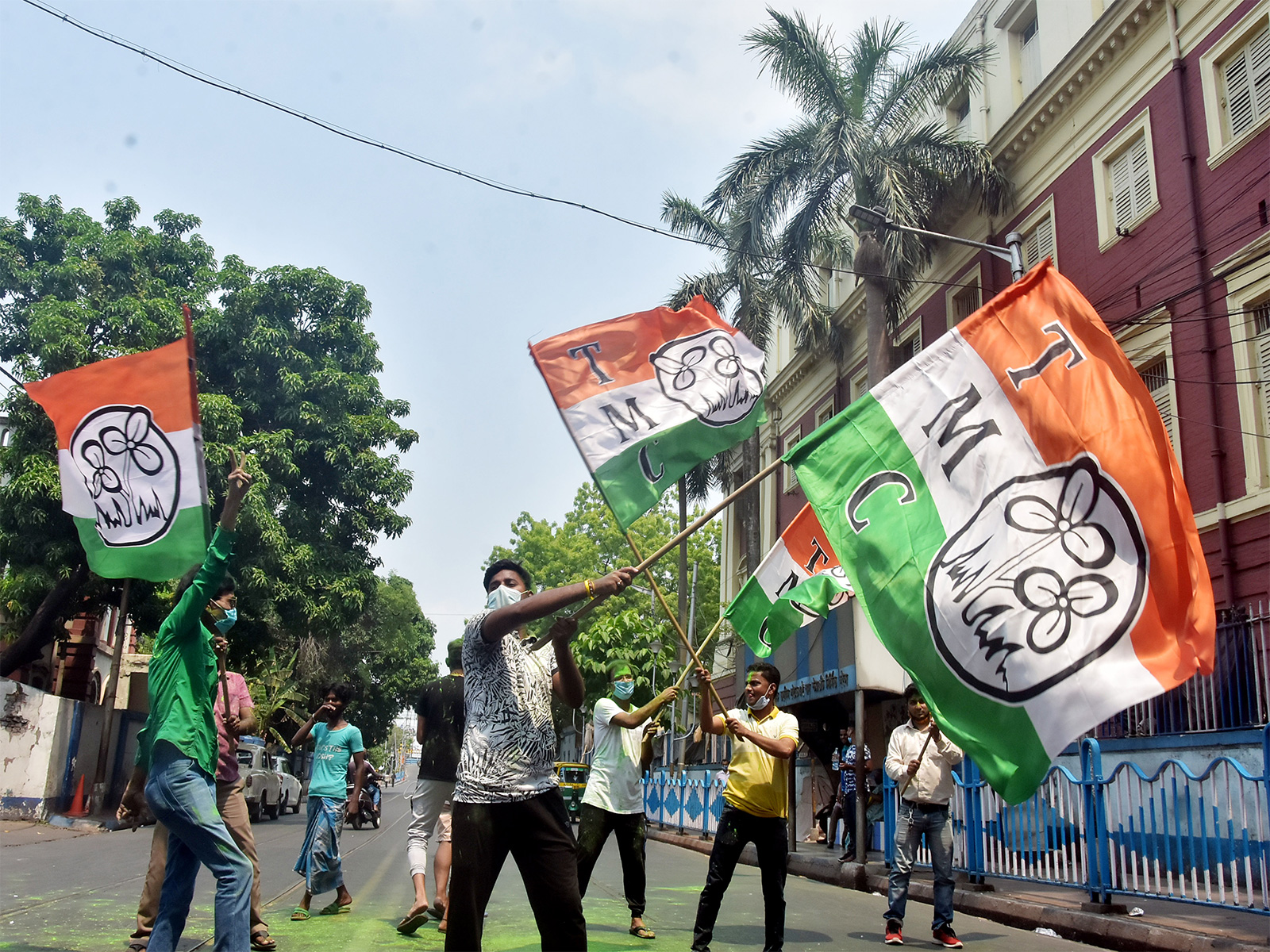
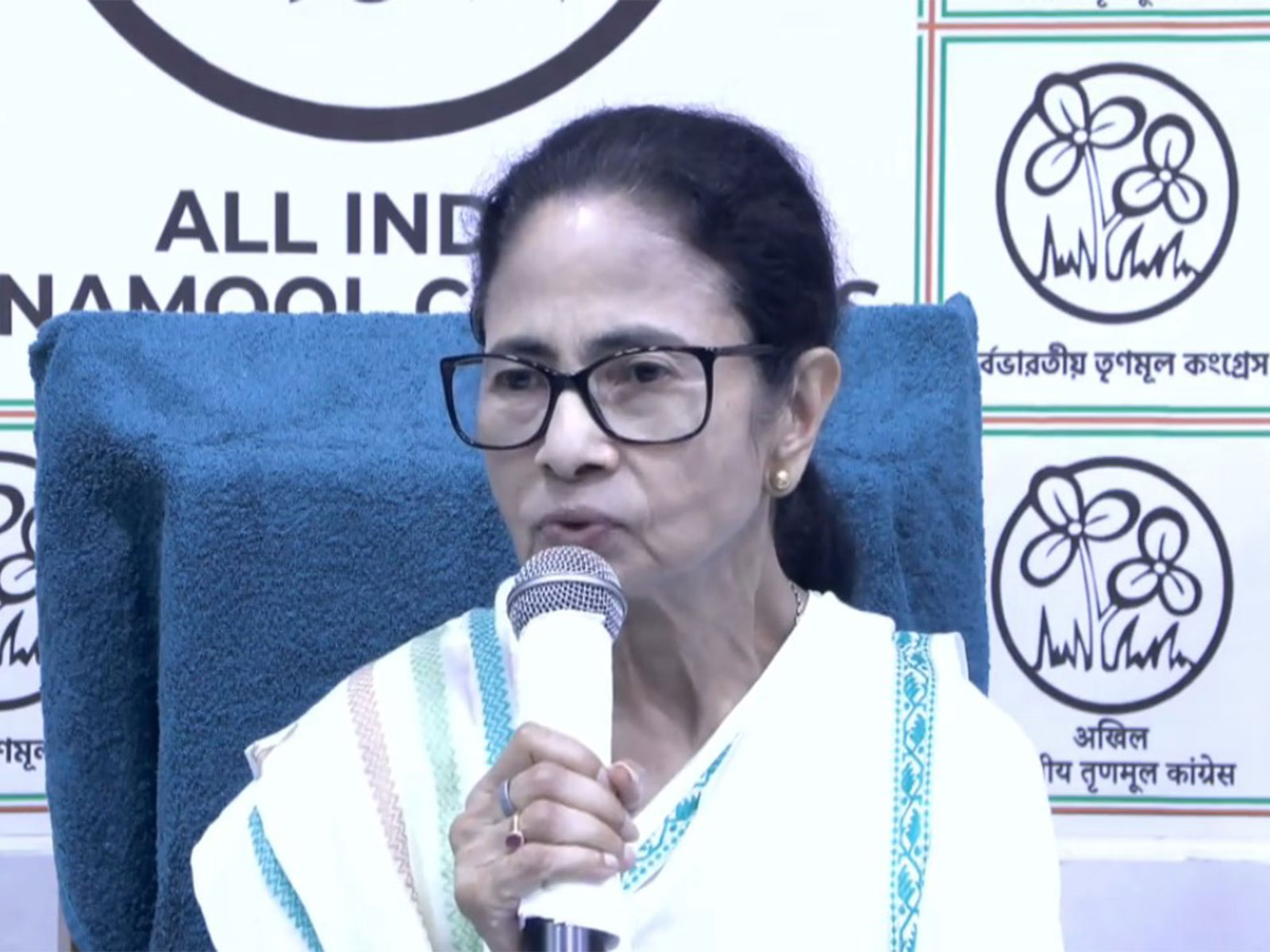
Speaking in Kolkata, during the launch of Trinamool Congress party's manifesto for West Bengal Assembly elections, Banerjee alleged that forces from border areas were attempting to bring in money and arms to create unrest and riots in the state, claiming this could lead to the imposition of indirect President's Rule. She called on the people of Bengal to protect the state's unity and resist efforts that threaten peace and democracy.
"My appeal to the people of Bengal: remain united and vigilant. Do not let fear stop you, and do not accept bribes or inducements. Forces from across the border are trying to bring money, arms, and unrest to create riots in our state. They aim to destabilise Bengal and impose indirect control through President's Rule. We have fulfilled all our promises of development and progress. Now, it is your duty to protect Bengal's unity and resist any attempts to undermine it. Stand together, remain strong, and ensure that the government accountable to the people prevails," she said.
Banerjee remarked that the current situation resembles an "undeclared President's Rule," alleging that democratic processes are being undermined. She added that there is a growing perception among people that governance has been affected. The West Bengal Chief Minister called on citizens to remain vigilant and uphold democratic values.
"All of this gives the impression of an undeclared form of central control, almost like a President's Rule without officially declaring it. This raises serious questions about governance and fairness, especially during elections. Many people feel that the system is being disrupted and that there is a lack of clear, people-focused policies. At such a time, the responsibility lies with all of us as citizens to stay aware, think critically, and work towards protecting democratic values and the future of the country," Banerjee said.
She emphasised that her government's approach was inclusive, stating that Hindus, Muslims, Sikhs, and Christians are equal, and rejected politics that divide communities. Banerjee also criticised the central government's policies, calling them anti-women and one-sided, and asserted that her administration had fulfilled all development promises.
"We reject politics that divide people--Hindus, Muslims, Sikhs, Christians, all are equal in our Bengal. This government at the centre has failed women and is pushing one-sided policies that harm the people," said the West Bengal Chief Minister.
She alleged that key officials, including Principal Secretaries from multiple departments, had been reassigned as observers despite lacking familiarity with local conditions. The Chief Minister further questioned accountability, stating that officials who are not aware of the state's ground realities may face challenges in effectively discharging their duties.
"There are also reports that several Principal Secretaries from different departments have been reassigned as observers. The concern here is that officials who are unfamiliar with the local conditions of a state may find it difficult to effectively carry out their responsibilities. If something goes wrong, it becomes unclear who should be held accountable," she said.
Targeting the Centre over policy issues, Banerjee cited concerns related to NRC and possible delimitation, claiming these factors have contributed to public dissatisfaction. She also alleged that decision-making within the government is highly centralised. Banerjee claimed that while administrative reshuffles during elections are a routine process, the scale and nature of recent changes were "unprecedented" and had disrupted the system.
"There are concerns that after this election, delimitation may be carried out in a way that raises questions. At the same time, many people feel that the current government may not return to power because of growing dissatisfaction. Issues like NRC and delimitation have become major reasons behind this sentiment. It also appears that decision-making is highly centralised, with most of the work being handled by just a few top leaders. This creates a perception of division rather than unity. Administrative changes during election time are usually normal, but this time the situation seems different. For example, if people are facing issues like food shortages, changing key officials such as the Principal Secretary of the Food Department raises concerns," she said.
Two-phased polls in West Bengal are scheduled to be held on April 23 and 29, with counting of votes slated for May 4.
Yesterday, Mamata Banerjee wrote a letter to Chief Election Commissioner Gyanesh Kumar, alleging that the Election Commission of India has "crossed all boundaries of decency and constitutional propriety."
In her letter, Banerjee expressed concern over the Commission's actions since the start of the "Special Intensive Revision," claiming that it has acted with apparent bias and ignored ground realities and public welfare.
She said she had repeatedly raised these concerns with the poll body, but received no response, forcing her to move to the Supreme Court of India to safeguard democratic and fundamental rights.