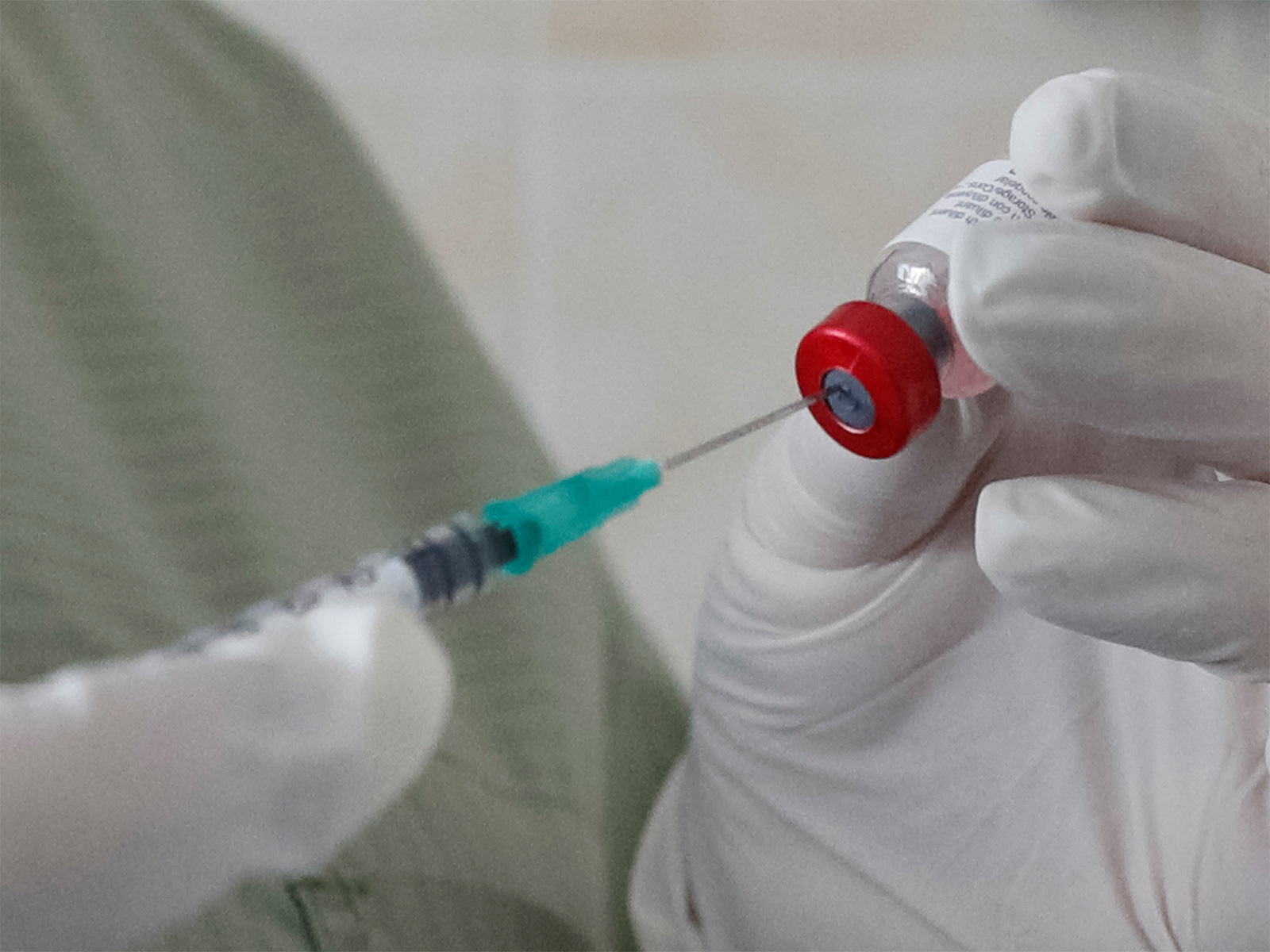
West Bengal nurse infected with Nipah virus dies of cardiac arrest, confirms health department
Feb 12, 2026
Kolkata (West Bengal) [India], February 12 : In a first for the decade, the nurse who was infected with Nipah virus died of a cardiac arrest in West Bengal on Thursday, the state health department said.
Earlier, the state of West Bengal reported two confirmed cases of Nipah Virus Disease from December 2025 to date, according to reports from the National Centre for Disease Control (NCDC).
Following confirmation of these two cases, the Government of India, in close coordination with the Government of West Bengal, promptly initiated comprehensive public health measures in accordance with established protocols.
A total of 196 contacts linked to the confirmed cases were identified, traced, monitored, and tested. All traced contacts have been found asymptomatic and have tested negative for Nipah Virus Disease, the release read.
The situation is being closely monitored, and all necessary public health measures are in place.
In response to the circulation of speculative and incorrect figures regarding Nipah Virus Disease (NiVD) in certain sections of the media, the Ministry of Health and Family Welfare has advised the public and media to rely strictly on verified information from official sources.
Dr Rajeev Jayadevan, former President of IMA Cochin and Convener of the Research Cell, Kerala, on Monday warned that the Nipah virus spreads from bats to humans and can cause severe illness with a high mortality rate, stressing the importance of early detection to prevent further spread.
In a video message, Jayadevan said, "The initial symptoms are fever, body ache, headache, but in people who develop brain infection after that, they may get seizures or epilepsy, confusion, paralysis or coma. The symptoms are similar to those of other types of brain infection caused by other viruses. Sometimes a diagnosis of Nipah can be missed because it is not specifically tested for. The problem with Nipah is that it can also spread from patient to patient. So it's extremely important to identify the first patient who develops the infection," he added.