White House seeks record USD 1.5 trillion for military amid ongoing war with Iran
Apr 04, 2026
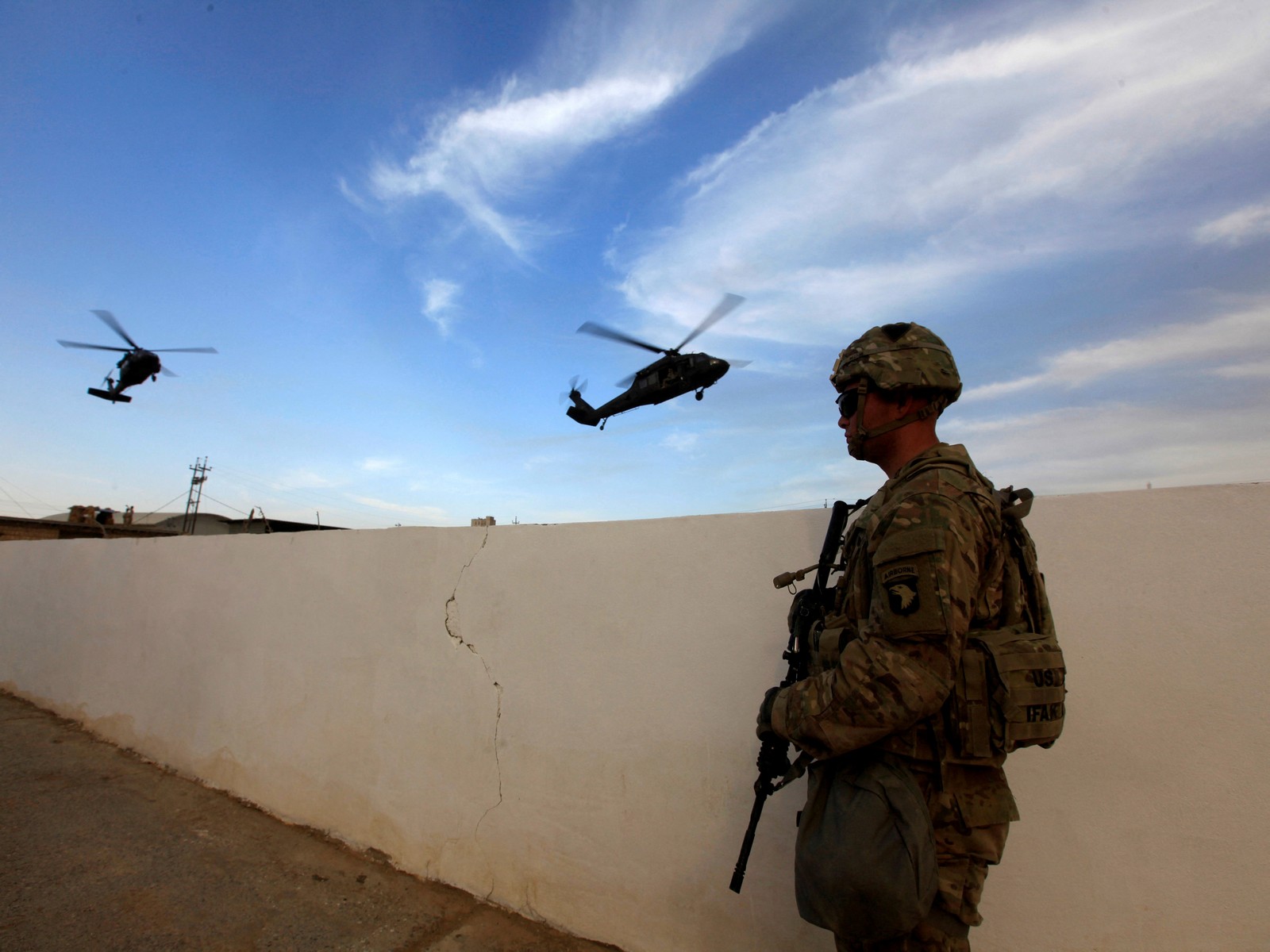
Washington, DC [US], April 4 : The White House is seeking approximately USD 1.5 trillion for defence as part of a fiscal 2027 budget request, a proposal that would elevate military spending to its highest level in modern history amid the Trump administration's ongoing war with Iran, CNN reported.
The blueprint, unveiled on Friday, serves as a symbolic representation of the President's priorities and would increase government defence spending by more than 40 per cent compared to the previous year. The plan focuses on bolstering munitions and expanding the US naval fleet, while also commencing construction on President Donald Trump's planned "Golden Dome" missile defence system. Additionally, the proposal includes significant pay rises of between 5 per cent and 7 per cent for all military personnel to assist with recruitment and retention.
Of the USD 445 billion the administration intends to add to the defence budget, the White House suggests that USD 350 billion be passed through upcoming legislation. According to CNN, Republicans intend to use a legislative manoeuvre requiring only a simple majority in the Senate, thereby bypassing the need for Democratic support.
These unprecedented spending levels reflect the administration's focus on the war with Iran, suggesting little intention to redirect resources elsewhere despite Trump's previous claims that he would wind down Middle Eastern hostilities within weeks. Furthering this defensive posture, the Department of Energy budget proposes increasing funds for the National Nuclear Security Administration by over USD 3.5 billion to develop and modernise warheads and naval technology.
However, CNN noted that such annual budget requests are largely viewed as a wish list, as Congress maintains final control over government spending and has historically disregarded significant portions of administration blueprints.
In sharp contrast to the military surge, the budget seeks to slash non-defence spending by 10 per cent, a USD 73 billion cut primarily affecting social services and healthcare. The administration has derided these domestic programmes as "woke", a term that appears 34 times throughout the 92-page document.
Among the safety net initiatives slated for elimination are the USD 4 billion Low Income Home Energy Assistance Program and the USD 775 million Community Services Block Grant. CNN reported that the proposal also includes cancelling USD 15 billion in funding from the previous administration's infrastructure law and cutting over USD 1 billion from climate research.
The Environmental Protection Agency would see its funding halved under the proposal, resulting in the removal of various environmental programmes. The budget claims that environmental justice initiatives promote "divisive racial discrimination", while simultaneously proposing a 12 per cent cut to the Interior Department.
Despite these broad reductions, the plan allocates USD 10 billion for a mandatory fund to build "targeted, priority construction and beautification projects in and around Washington DC." While housing assistance for low-income Americans faces cuts, the budget funnels USD 5 million into the Melania Trump Foster Youth to Independence Initiative, according to CNN.
The blueprint also targets the Department of Homeland Security, proposing cuts to FEMA and the Cybersecurity and Infrastructure Security Agency. The White House alleged that certain grant programmes were responsible for funding "mass illegal migration" or were "weaponised to target Americans exercising their First Amendment rights."
Finally, CNN reported that the administration intends to begin privatising airport screeners and will seek a USD 5 billion cut from the National Institutes of Health. Further reductions include a USD 1.4 billion cut to the Internal Revenue Service, which Trump claims has been "weaponised" against citizens, and the elimination of USD 4.2 billion in subsidies for electric vehicle chargers.