"Window for diplomatic resolution rapidly closing": Qatar warns of "spiral" in regional conflict
Apr 07, 2026
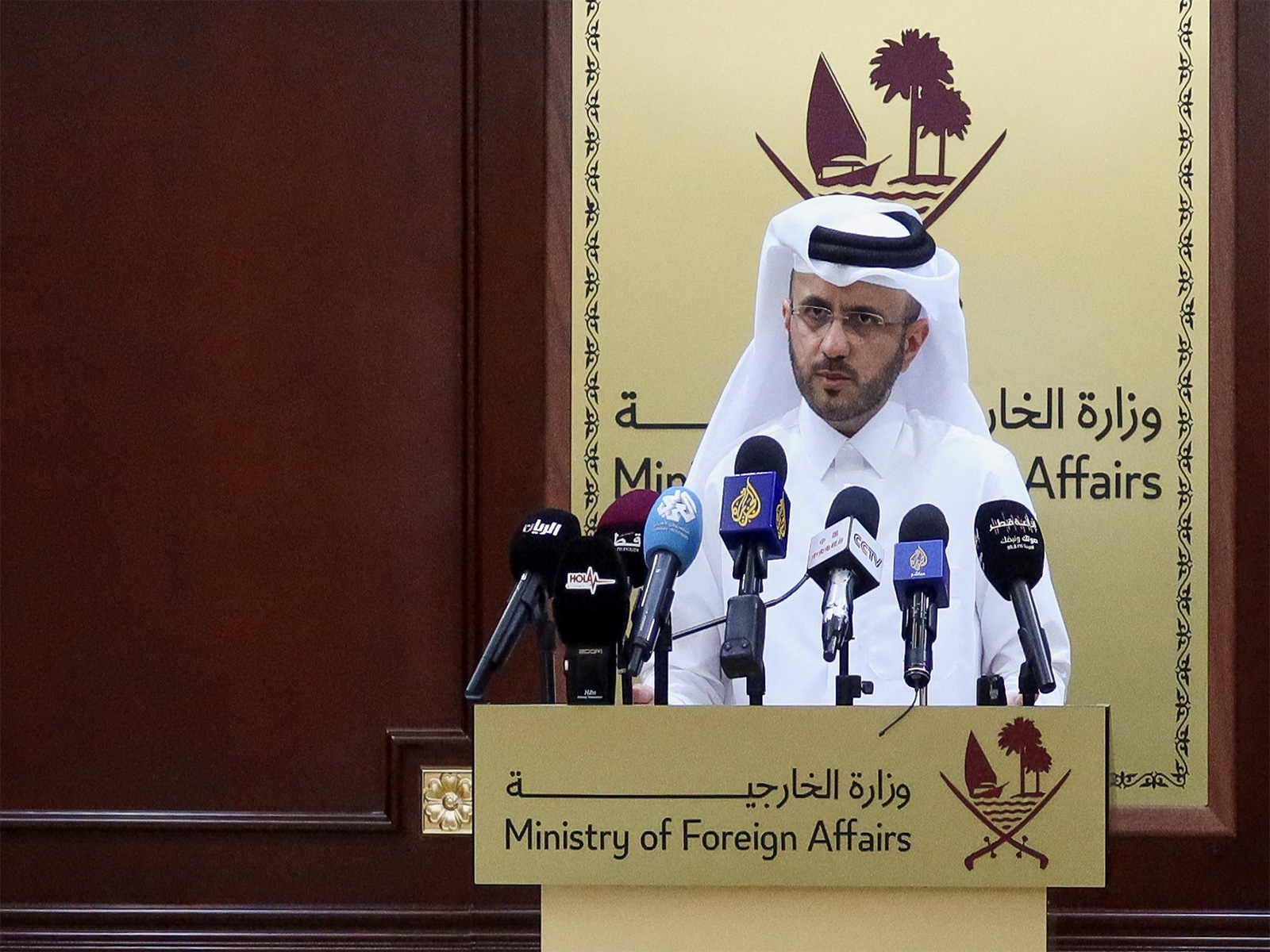
Doha [Qatar], April 7 : Amidst a sharp escalation in regional hostilities, Qatar's Foreign Ministry has issued a stark warning regarding the rapidly diminishing opportunity for a peaceful settlement. According to Al Jazeera, Ministry spokesperson Majed al-Ansari cautioned on Tuesday that the "window for a diplomatic resolution is rapidly closing", as military actions continue to intensify across the Gulf.
The spokesperson expressed grave concern over the current trajectory of the conflict, noting the potential for a wider geographical fallout. "We are close to the point where the situation in the region could spiral out of control," al-Ansari stated, as cited by Al Jazeera.
He further stressed that the "prolonged nature of the hostilities serves no state's long-term interest", adding that "there are no winners if this war continues."
Addressing the recent strikes on strategic targets and energy hubs, the Qatari official condemned the expansion of the conflict into non-military sectors. He asserted that "attacks on civilian and energy infrastructure by any party should not be accepted", according to Al Jazeera's report on the briefing.
The spokesperson also weighed in on the mounting friction surrounding the Strait of Hormuz, which remains a primary flashpoint in the standoff between Washington and Tehran. Emphasising the legal status of the "world's most important oil transit point", al-Ansari clarified that "Hormuz is a natural strait, not a canal."
He reaffirmed that "all countries in the region have the right to use it freely", amidst ongoing threats to the corridor's maritime stability.
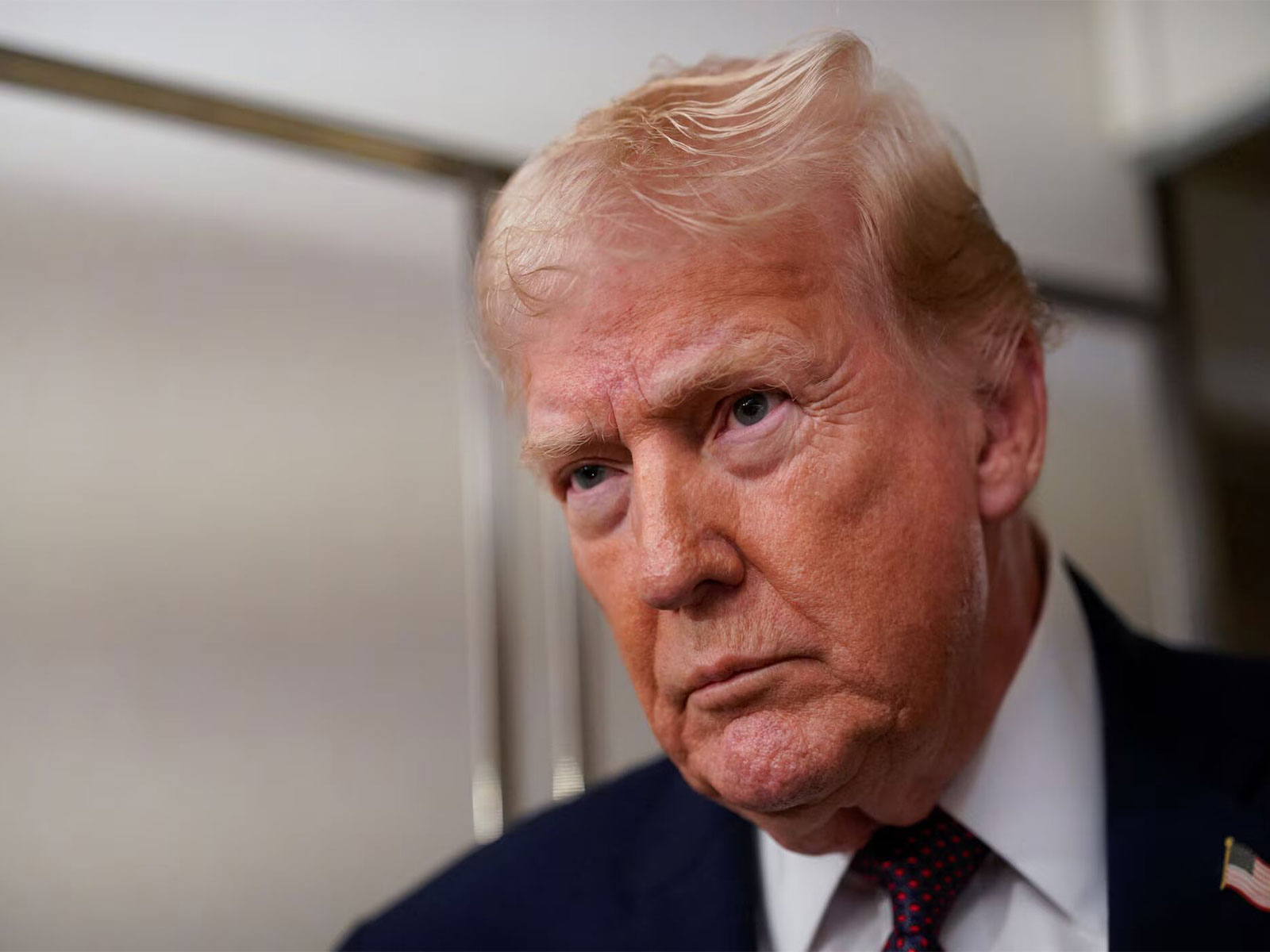
This diplomatic plea for restraint stands in sharp contrast to the hardening stance in Washington. As the deadline for military action against Tehran approaches, US President Donald Trump has issued a series of provocative statements suggesting a monumental shift in the geopolitical landscape.
Taking to his Truth Social platform, Trump warned of the potential for unprecedented destruction while simultaneously hinting at a transition of power within Iran. "A whole civilisation will die tonight, never to be brought back again. I don't want that to happen, but it probably will," Trump wrote, reflecting the gravity of the ongoing military standoff.
The President's statement follows reports of US strikes on Kharg Island and other strategic Iranian infrastructure. Despite the ominous warning, he suggested that a new political reality might be emerging in Tehran, claiming that "now that we have Complete and Total Regime Change, where different, smarter, and less radicalised minds prevail, maybe something revolutionarily wonderful can happen, WHO KNOWS?"
Trump framed the current escalation as the culmination of a decades-long period of hostility between the two nations. He stated, "We will find out tonight, one of the most important moments in the long and complex history of the World. 47 years of extortion, corruption, and death will finally end."
The President ended his message with a note of support for the Iranian populace, writing, "God Bless the Great People of Iran!" even as the world awaits the outcome of the 8:00 PM deadline.
This rhetoric underscores President Trump's "8:00 PM deadline" (Washington time, Tuesday night) for Iran to reopen the Strait of Hormuz.
He has warned that failure to comply will result in a simultaneous, massive bombing campaign aimed at "each and every one" of Iran's electric generating plants and bridges.
Further intensifying the threat, the President stated on Monday that the goal would be to leave these facilities "burning, exploding, and never to be used again" within a four-hour window.
During a White House press briefing, he added, "The entire country could be taken out in one night, and that night might be tomorrow night."
Trump emphasised that this is a "critical period" and noted that Washington has provided Tehran with the necessary time to reach an agreement to end the war.
He confirmed that while Iran had requested a seven-day extension, he granted them 10 days to make a deal.
"They have till tomorrow. Now we will see what happens... A lot of people are affected by this. We are giving them until tomorrow, 8 o'clock, Eastern Time. After that, they are going to have no bridges. They are going to have no power plants. Stone ages," Trump said, reiterating that the ultimatum marks a final opportunity for Tehran to avoid total infrastructure collapse.