With better fiscal health, fresh borrowings now used for past interest obligations, not current spending: Eco Survey
Jan 29, 2026
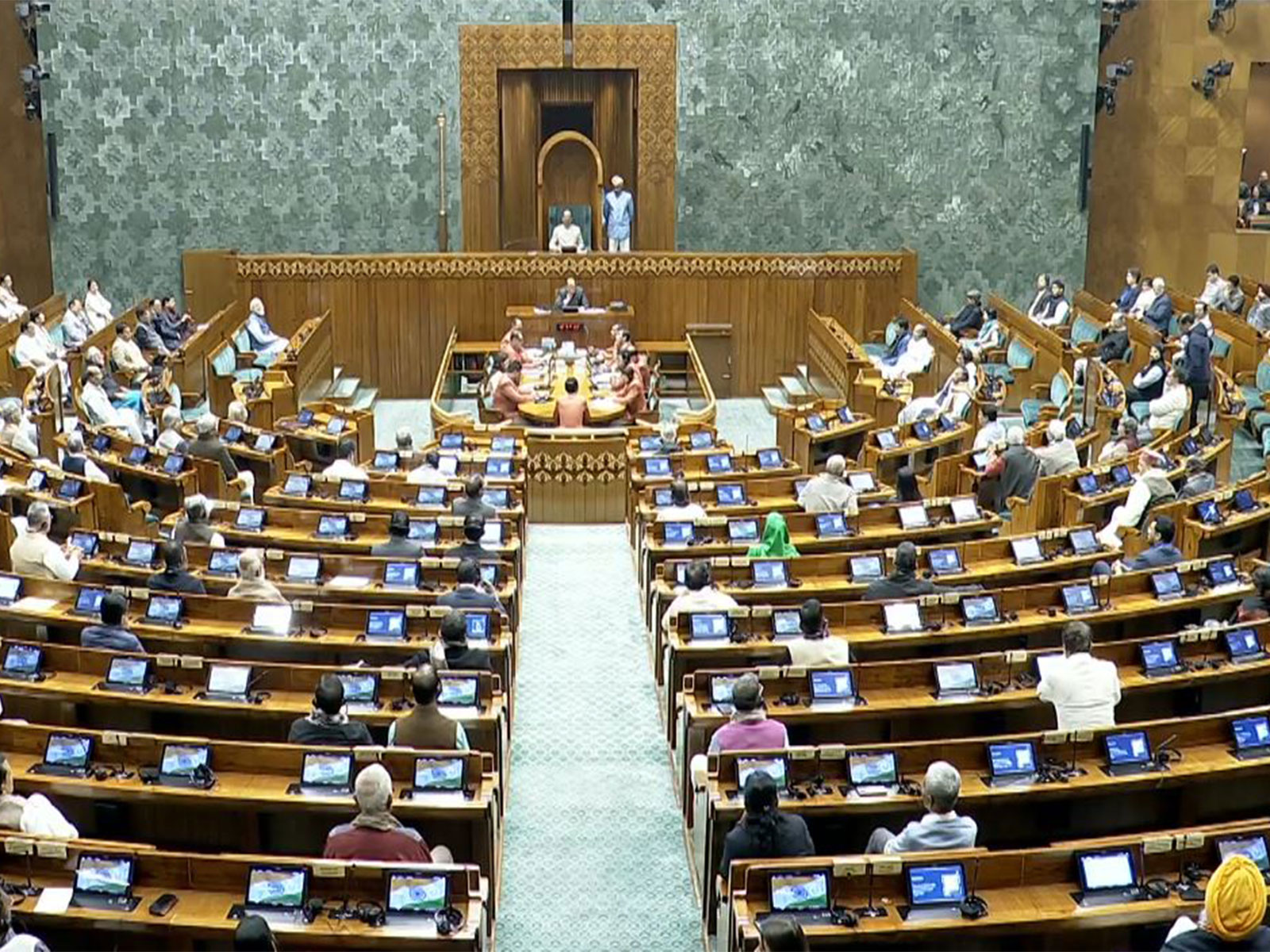
New Delhi [India], January 29 : The Economic Survey of India tabled in Parliament on Thursday highlighted a steady improvement in the Centre's fiscal position, noting that fresh government borrowings are now increasingly being used to service past interest obligations rather than to finance current spending.
According to the document, the decline in the primary deficit-to-GDP ratio indicates an important structural shift in fiscal management. It stated that fresh borrowings by the central government are now increasingly being used to service past interest obligations rather than to fund current expenditure, signalling improved fiscal discipline.
It stated "fresh borrowings are now increasingly being used to service past interest obligations rather than to finance current spending".
Explaining the decline in the fiscal deficit, the Economic Survey stated that the fiscal deficit has reduced significantly from 9.2 per cent of GDP in FY21 to 4.8 per cent of GDP in FY25, as per Provisional Accounts (PA). It is further budgeted to decline to 4.4 per cent of GDP in FY26.
The Survey also pointed to a steady narrowing of the revenue deficit as a proportion of GDP over the same period. It noted that the revenue deficit has reached its lowest level since FY09, which has allowed for a greater allocation towards capital expenditure (capex).
This trend reflects a sustained improvement in the quality of government expenditure.
The Economic Survey emphasised that a predictable and credible fiscal trajectory followed by the Centre over the past few years has helped anchor overall macroeconomic stability.
It noted that the government has balanced growth imperatives with fiscal sustainability, ensuring that fiscal policy supports economic growth even during periods of uncertainty.
Highlighting the approach to fiscal consolidation, the Survey said that the central government's experience underscores the value of clearly defined fiscal targets combined with retained flexibility.
This approach has allowed fiscal policy to support growth rather than constrain it during uncertain economic conditions.
In this context, the Economic Survey recalled that the Union Budget for FY22 had articulated a medium-term glide path for fiscal consolidation. The Budget targeted a fiscal deficit below 4.5 per cent of GDP by FY26, instead of adopting binding annual targets. This strategy was aimed at ensuring that growth-enhancing expenditure, particularly capital expenditure, was not compromised.
On the revenue side, the Survey noted an improvement in revenue receipts in the post-pandemic period.
The survey noted that this improvement was driven mainly by higher gross tax revenue, which rose from an average of 10.8 per cent of GDP in the pre-pandemic years to about 11.5 per cent of GDP in the post-pandemic period.
The Economic Survey added that within the overall stability of tax revenues, individual tax components have shown notable shifts in the composition and sources of revenue growth.