World Kidney Day: Understanding Kidney Health Before It's Too Late
Mar 12, 2026
PNN
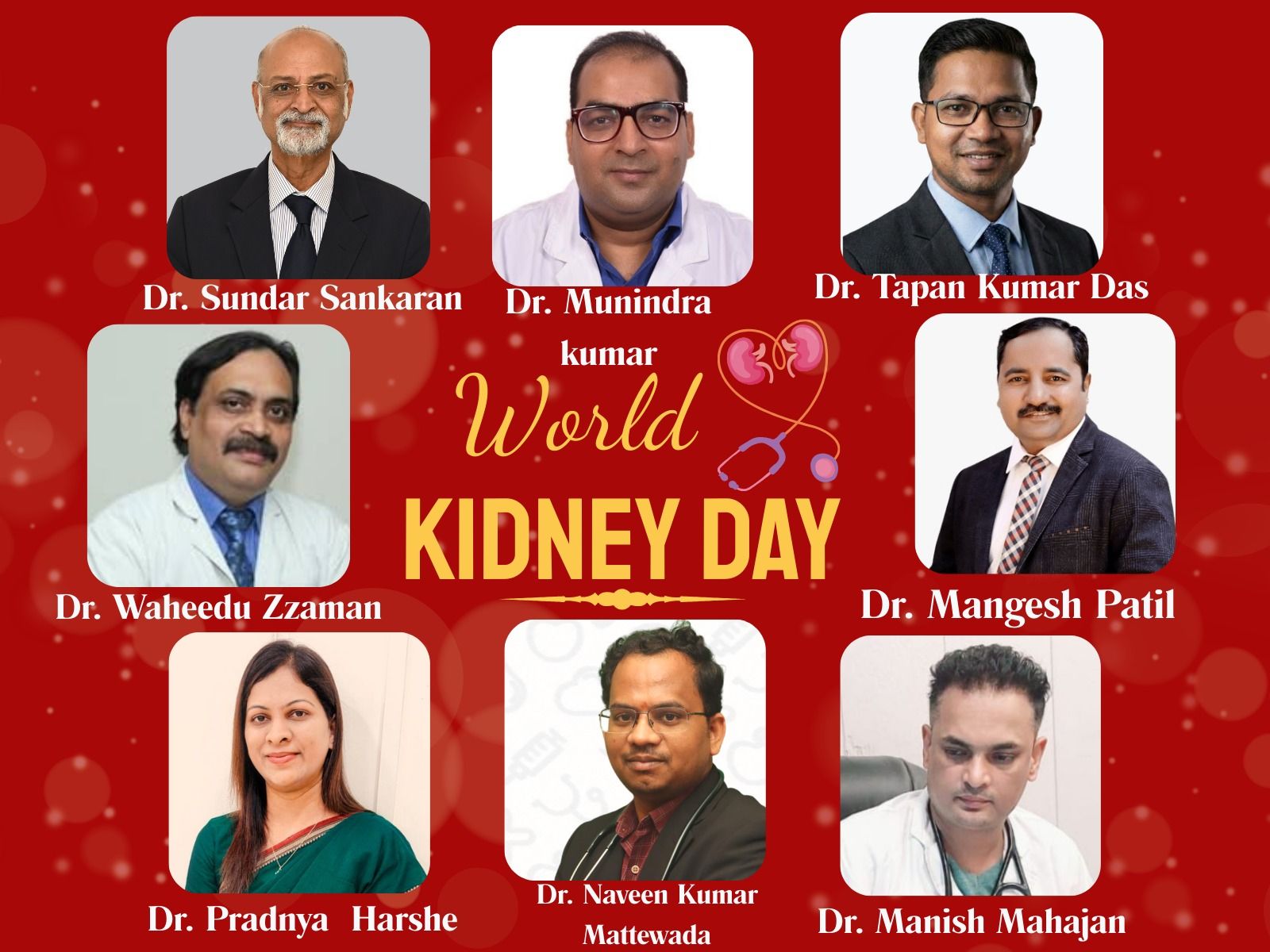
New Delhi [India], March 12: On the occasion of World Kidney Day, leading kidney experts from across India come together to highlight the growing importance of kidney health and early awareness. As kidney diseases often progress silently without noticeable symptoms in the early stages, timely screening and preventive care are essential. Through their insights, these specialists emphasize the need for healthier lifestyles, regular health monitoring, and greater public awareness to help people protect their kidneys before serious complications arise.
Dr. Waheedu Zzaman, MBBS, MS (Gen Surgery), MCh (Urology), DNB (Urology), MNAMS.DIP LAP Urology (Strasbourg, France), Robotic Urology Training, Roswell Park Institute, Buffalo (NY, USA)
Director Urology and Renal transplant, Max Super Speciality Hospital, Shalimar Bagh, New Delhi
On the occasion of World Kidney Day, Dr. Waheed Zzaman, a renowned urologist, emphasizes that kidney diseases often progress silently, with symptoms appearing only when significant damage has already occurred. According to him, many patients seek medical attention at an advanced stage, when treatment options become more complex and limited. This highlights the urgent need for greater awareness and early screening.
Kidneys play a crucial role in filtering toxins, balancing fluids, and maintaining overall body functions. However, conditions such as uncontrolled diabetes, high blood pressure, obesity, and the excessive use of painkillers can gradually harm kidney health. Simple lifestyle measures like staying well hydrated, maintaining a balanced diet, exercising regularly, and monitoring blood pressure and blood sugar levels can significantly reduce the risk.
This World Kidney Day, Dr. Zzaman urges everyone to prioritize preventive care and regular health check-ups. Early detection and timely intervention can help protect kidney function and ensure a healthier future.
Dr. Sundar Sankaran, MD, DNB, FRCP
Program Director, Nephrology & Transplant, Aster Whitefield, Ex-Chairman, Indian Society of Nephrology (SC)
"Bones can break, muscles can atrophy, glands can loaf, even the brain can go to sleep without immediately endangering our survival, but when the kidneys fail to manufacture the proper kind of blood, neither bone, muscle, gland, nor brain can carry on." -- Homer Smith.
The human body is blessed with two kidneys--remarkable organs that work silently to keep us healthy. Every day, they filter nearly 180 liters of blood, removing waste, balancing fluids, regulating blood pressure, and supporting healthy bones and blood. Despite their vital role, kidney damage often develops without noticeable symptoms until Chronic Kidney Disease (CKD) appears, a condition affecting over 850 million people worldwide.
Several factors increase the risk of kidney disease, including high blood pressure, diabetes, obesity, smoking, excessive salt intake, dehydration, and frequent use of painkillers. Early signs such as fatigue, swelling, or foamy urine are often ignored.
On World Kidney Day, take steps to protect your kidneys: stay hydrated, eat healthy foods, exercise regularly, monitor blood sugar and blood pressure, and avoid smoking. Regular checks of creatinine, potassium, blood pressure, and urine protein can help detect problems early and safeguard kidney health.
Dr. Munindra Kumar, MD (Med), CCEBDM (Diabetology), DNB (Neph), MNAMS, MRCP-SCE(Neph)[Glasgow, Edin & UK], ISOT cert (RenalTx. Path)
Sr. Consultant Nephrologist & Renal Transplant Physician (New Delhi), Co-Founder & Med Director Of NEPHRUS
On the occasion of World Kidney Day, Dr. Munindra Kumar, a leading nephrologist, highlights that kidney diseases are often called a "silent threat" because many people remain unaware of the problem until it reaches an advanced stage. He emphasizes that increasing awareness about kidney health is essential to prevent long-term complications and improve patient outcomes.
Kidneys perform critical functions such as filtering toxins, maintaining fluid balance, and regulating blood pressure. However, the rising prevalence of lifestyle-related conditions like diabetes, hypertension, obesity, and unhealthy dietary habits is significantly increasing the risk of chronic kidney disease. Regular health screenings, early diagnosis, and timely medical intervention can help slow or even prevent the progression of kidney damage.
This World Kidney Day, Dr. Kumar encourages individuals to adopt healthier lifestyles, stay well hydrated, and undergo routine health check-ups. Protecting kidney health through awareness and preventive care can help ensure a better quality of life for millions.
Dr. Mangesh Patil, MBBS, MS (General Surgery), DNB (Genito-Urinary Surgery), MNAMS (General Surgery), Robotic surgery training (USA)
Head of Minimal Invasive Urology & Endourology, Consultant Urologist & Robotic Uro-Oncosurgeon (Robotic Surgery) - Sir HN Reliance Foundation Hospital, Girgaon, Saifee Hospital, Urocare Clinic, Mumbai
On the occasion of World Kidney Day 2026, it is important to remind people that our kidneys silently perform life-saving functions every day. These two small organs filter waste from the blood, maintain fluid balance, regulate blood pressure, and help produce hormones essential for red blood cell formation and bone health. Unfortunately, many kidney diseases develop gradually and remain unnoticed until significant damage has already occurred.
One of the major global concerns is Chronic Kidney Disease (CKD), which often progresses without obvious symptoms in its early stages. Conditions such as Diabetes Mellitus, Hypertension, recurrent urinary infections, and kidney stones can slowly damage kidney function. Warning signs may include swelling of the feet or face, fatigue, changes in urination, or blood in the urine.
The good news is that many kidney problems can be prevented or detected early. Regular health check-ups, controlling blood sugar and blood pressure, staying hydrated, reducing salt intake, and avoiding unnecessary painkillers can help protect kidney health. Early awareness and timely consultation with specialists are key to preventing serious complications and ensuring long-term well-being.
Dr. Tapan Kumar Das, MD Physician, PGDHA,
Expert in Health Management and Preventive Healthcare, Bangalore
On the occasion of World Kidney Day, Dr. Tapan Kumar Das, a healthcare professional with experience across medical practice, US healthcare systems, product management, bussiness transformation and health data analytics, highlights the growing importance of preventive healthcare in addressing kidney-related diseases. According to him, kidney disorders often progress silently and are frequently detected only when the condition has already advanced. This makes early awareness, regular screenings, and timely intervention extremely important.
Dr. Das emphasizes that technology and data-driven healthcare solutions can play a transformative role in improving early diagnosis and patient monitoring. With the integration of electronic health records (EHR), health analytics, and healthtech innovations enabled by AI, healthcare providers can better track risk factors such as diabetes, hypertension, and lifestyle patterns that significantly impact kidney health and guide patients or customers more effectively.
This World Kidney Day, Dr. Das encourages individuals to adopt healthier lifestyles, prioritize routine health check-ups, regular fitness regime and leverage modern healthcare technologies to ensure better kidney health and long-term well-being.
"Our Kidneys quietly filter more than 50,000 liters of blood every year. Spending one day year to check on them is the least we can do in return."
Dr. Naveen Kumar Mattewada, MBBS, DNB, DM, ESENeph, MNAMS
Senior Consultant Nephrologist and Transplant Physician
Citizens Speciality Hospital, Hyderabad
Protecting Our Kidneys Means Protecting Our Planet
Today marks the 20th World Kidney Day, centered on an urgent theme: "Kidney Health for All - Caring for People, Protecting the Planet."
As global temperatures rise, chronic dehydration is triggering a surge in Acute Kidney Injury (AKI). Precision in fluid management is now a vital public health defense against climate-induced renal damage.
Simultaneously, healthcare must champion "Green Nephrology." Traditional hemodialysis consumes massive amounts of water and power. Shifting toward sustainable, home-based therapies like peritoneal dialysis dramatically reduces this environmental footprint while empowering patients.
Integrating Artificial Intelligence into clinical medicine will further revolutionize sustainable care. AI models can predict AKI risks during extreme heatwaves, enabling proactive, resource-efficient interventions before hospitalizations are needed.
Protect your kidneys and the earth: stay hydrated sustainably, manage your blood pressure, and seek early screening. Ultimately, healthy kidneys rely on a healthy planet.
Dr. Pradnya Harshe
Consultant Nephrologist and Kidney Transplant Physician, Vadodara
With the increase in the number of patients living with diabetes and hypertension day by day, kidney diseases are also on the rise. It is important that proper care and precautions are taken to prevent end-stage kidney disease in such individuals.
Strict control of diabetes and blood pressure should always be maintained, as these conditions are among the leading causes of kidney damage. The use of unnecessary medications that may have unknown or unfavorable effects on the kidneys should be avoided.
Urinary tract infections and kidney stones should be treated properly and without delay to prevent permanent damage to the kidneys. Many new medications are now available that help in slowing the progression of kidney disease and can be used effectively to achieve better treatment outcomes.
Maintaining a healthy lifestyle, regular monitoring, and timely medical intervention are essential steps in protecting kidney health and preventing long-term complications.
Dr. Manish Mahajan, MBBS, MD, DM
Senior Consultant (Medicine & Nephrology), Narendra Mohan Hospital, Ghaziabad, Neo Hospital, Noida
A Message from Dr. Manish Mahajan on World Kidney Day 2026
Theme: Kidney Health for All - Advancing Equitable Access to Care and Optimal Medication Practice
The Silent Guardian: Why Your Kidneys Matter
Your kidneys are the unsung heroes of your body. Every single day, these bean-shaped organs filter about 180 liters of blood to remove toxins, balance fluids, and regulate blood pressure. Because kidney disease often progresses without symptoms until it is advanced, early awareness is our most powerful tool.
8 Golden Rules for Kidney Health
To keep your kidneys functioning at their best, I recommend adopting these lifestyle habits:
1. Stay Active and Fit: Help reduce your blood pressure and improve heart health.
2. Control Your Blood Sugar: Diabetes is a leading cause of kidney damage; regular monitoring is essential.
3. Monitor Blood Pressure: High blood pressure can accelerate kidney function decline.
4. Eat Healthy and Keep Weight in Check: Focus on low-sodium foods and fresh produce.
5. Maintain Fluid Intake: Drink enough water (typically 2 liters a day) to help kidneys clear sodium and toxins.
6. Don't Smoke: Smoking slows blood flow to the kidneys and increases the risk of kidney cancer.
7. Limit Over-the-Counter Pills: Frequent use of common pain relievers (NSAIDs) can cause kidney damage.
8. Get Checked: If you have high-risk factors like diabetes, hypertension, or a family history of kidney disease, regular screening is vital.
A Call to Action
Kidney health is not just a medical priority; it is a lifestyle commitment. This World Kidney Day, take a moment to assess your habits. Small changes today can prevent significant complications tomorrow.
"Early detection saves lives. Let's work together to ensure kidney care is accessible to everyone, everywhere." -- Dr. Manish Mahajan.
(ADVERTORIAL DISCLAIMER: The above press release has been provided by PNN. ANI will not be responsible in any way for the content of the same.)