Altman turns to Samsung, SK as AI expansion faces chip supply challenges
Nov 02, 2026
Seoul [South Korea], November 2 : OpenAI's efforts to expand its artificial intelligence infrastructure are facing growing pressure from tight memory chip supplies and rising funding requirements, increasing the importance of its partnerships with South Korea's Samsung and SK groups, according to a news report by The Korea Herald.
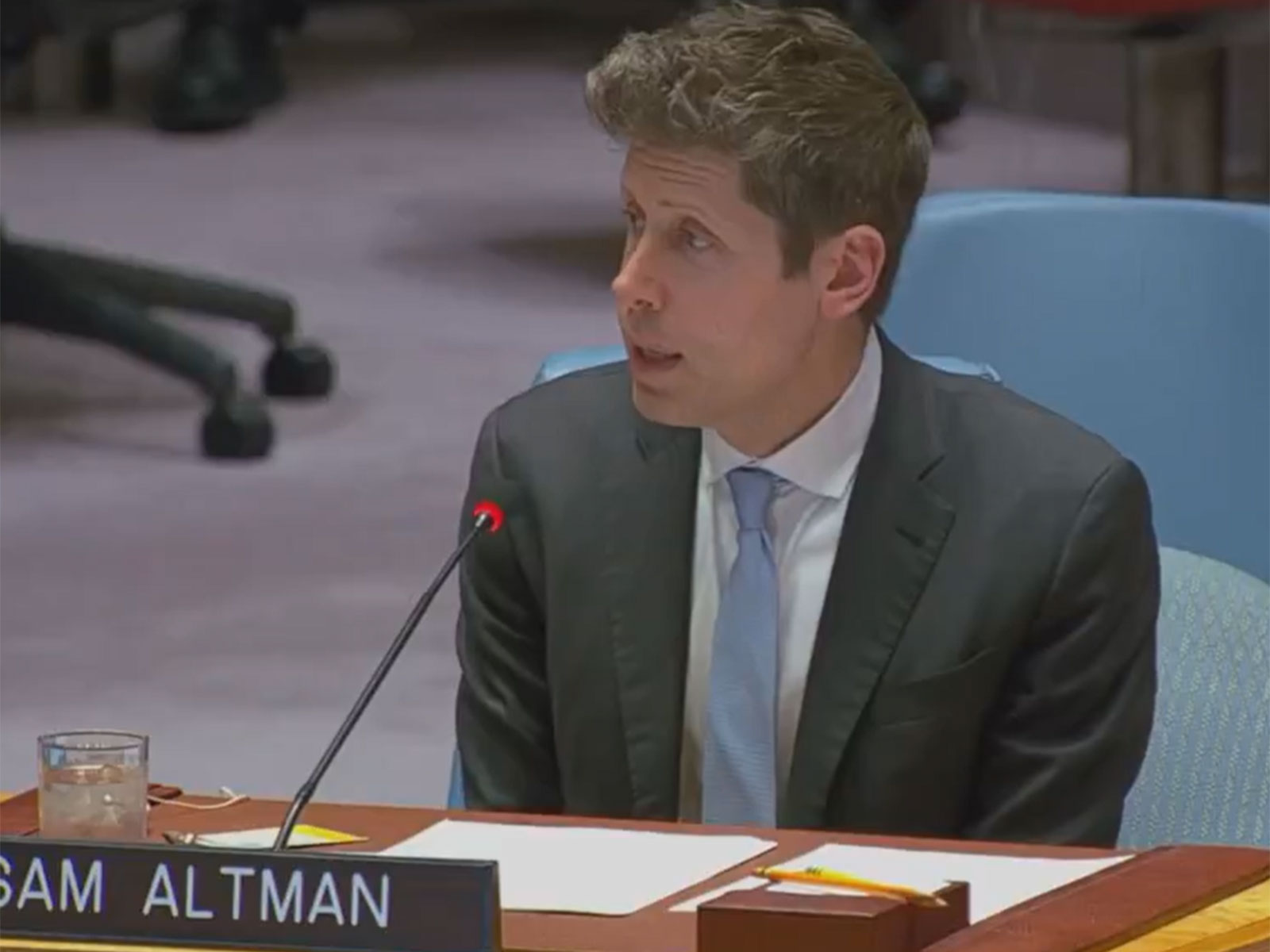
The report said OpenAI CEO Sam Altman's visit to South Korea over the weekend highlighted the challenges facing the company as it seeks to secure sufficient memory chips and raise billions of dollars to support its AI infrastructure expansion.
Altman met around 50 Samsung executives in Yongin on Saturday before holding discussions with SK Group Chairman Chey Tae-won and executives from SK hynix and SK Telecom. At Samsung, discussions focused on using AI to improve business competitiveness.
"Simply using AI will no longer be enough to secure a sustainable competitive advantage," Altman said, expressing hope for deeper cooperation with Samsung, according to the report.
The report highlighted the growing supply constraints in high-bandwidth memory (HBM), a key component used in AI accelerators. Research firm TrendForce has forecast that HBM's blended average selling price could rise 121 per cent in 2027 from 2026, reflecting tight supplies and a higher share of expensive HBM4 chips.
Samsung said last week that its HBM supply for 2027 was sold out, while SK hynix said its production through 2029 was effectively accounted for through firm contracts and volumes under customer negotiations, according to the report.
"Customers are requesting more than twice the volume we can supply," SK hynix's head of HBM sales and marketing Kim Ki-tae said during an earnings call, as quoted by The Korea Herald.
The report also pointed to funding challenges for OpenAI, which has reportedly secured around USD 11 billion in commitments against an initial fundraising target of USD 30 billion. These figures have not been independently confirmed.
The financing uncertainty could affect the company's planned AI data centre projects in South Korea. Samsung affiliates and SK Telecom had agreed last year to explore joint developments, but investment budgets and construction schedules remain unsettled.
OpenAI's preliminary Stargate agreements with Samsung and SK in October 2025 had outlined projected demand equivalent to 900,000 DRAM wafer starts per month, though this was a production target and not a binding order, according to the Korea Herald.
No new agreements were announced following Altman's visit, and neither side confirmed discussions on chip pricing or investment commitments, the report said. The key challenge will be turning the partnerships into firm supply contracts and funded projects.