Amit Shah in Mumbai: UCC before 2029, Seva Sankalp campaign, push for Indian LGD value chain
Sep 13, 2026
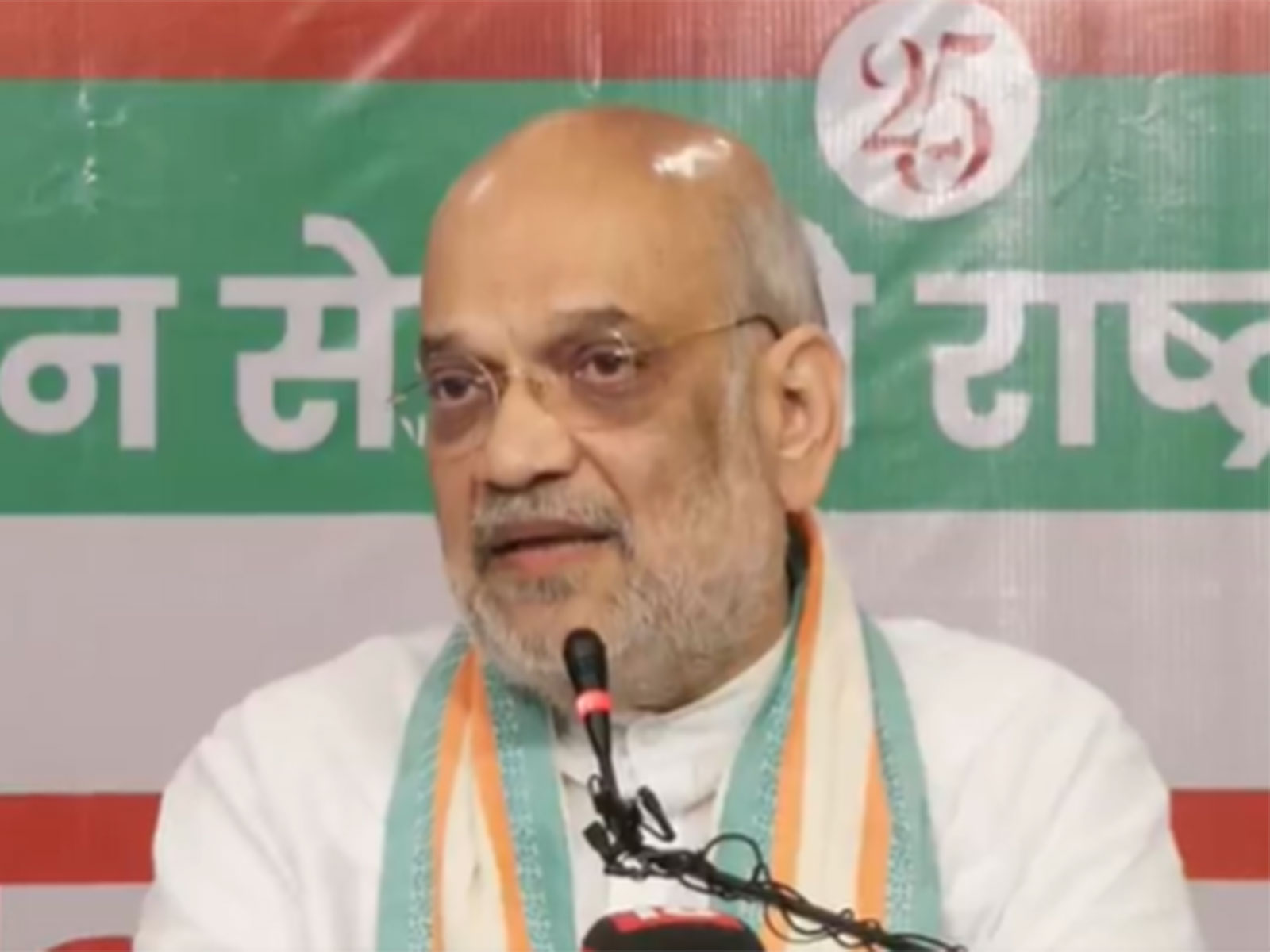
Mumbai (Maharashtra) [India], September 13 : Setting a legislative timeline for the Uniform Civil Code (UCC), Union Home Minister Amit Shah on Sunday said the UCC will be implemented across all 21 states governed by the BJP-led NDA before 2029, while asserting that India’s national security posture has undergone a fundamental transformation under Prime Minister Narendra Modi’s leadership.
Speaking at an event in Mumbai, Shah said, “We introduced the Uniform Civil Code (UCC) in several states. I am confident that we will implement the UCC in all 21 states governed by the BJP-led NDA before 2029...Operations such as the surgical strikes, air strikes, and Operation Sindoor have established a policy of zero tolerance towards terrorism, while security has been prioritised across various sectors.”
On the India-China border situation, Shah said sensitive details related to negotiations between the Indian Army and Chinese military over the Line of Actual Control cannot be disclosed publicly, stressing that strategic matters should not be politicised.
“There are sensitive matters where disclosing details openly serves neither the national interest nor the Army’s interest,” he said.
Shah also said the government believes in dialogue and discussion while responding to questions on Gen Z-led movements, the implementation of the National Register of Citizens (NRC) and conflicts over language and regional identity arising from migration.
“We are in a democracy. People hold different views on various issues, and it is essential that those views are expressed. The Bharatiya Janata Party is in power, but we cannot govern by imposing an Emergency. That is the Congress culture, not ours. We believe in dialogue and discussion,” he said.
On the NRC in Manipur and the possibility of a nationwide exercise, Shah said the government was discussing both matters with its colleagues and political parties in Manipur and would inform the public once a decision is taken.
On language-related tensions, he said it was the government’s policy to prioritise the mother tongue and noted that the Constitution had issued specific directives to states.
Meanwhile, Shah announced that the month-long ‘Seva Sankalp Abhiyan’ will be conducted nationwide from September 17 to October 17 to mark Prime Minister Narendra Modi’s 25 years of public service.
“The entire NDA alliance, numerous voluntary organisations, and people across the country are coming together to conduct the 'Seva Sankalp Abhiyan' nationwide from September 17 to October 17. As we all know, September 17 marks the birthday of Narendra Modi ji. This year holds special significance. Following a long period of organisational work, October 6, 2026, will mark the completion of 25 years of Modi ji's tenure as Chief Minister and Prime Minister—a journey that continues to this day. Very few leaders in this country have achieved the distinction of completing 25 years of continuous public service, having served both as a state Chief Minister and as the Prime Minister of the nation," Shah said.
Shah also said India's global standing had risen significantly over the past 12 years and claimed that the views of the Prime Minister now carry weight on global issues.
"Over the past 12 years, the country's global standing has risen significantly. Whatever the global issue may be, the views of India's Prime Minister carry weight today. People across the world view an Indian citizen holding an Indian passport with respect. Narendra Modi ji has worked to enhance the value of the Indian passport, and the result is that he has emerged as the most popular leader globally, boasting a 68 per cent approval rating in surveys. 36 nations have conferred their highest international honours upon him, awards akin to India's 'Bharat Ratna.' This reflects India's growing stature abroad," Shah said.
From political developments, Shah also turned his attention to India’s economic and global standing, saying the country had moved from the “Fragile Five” to the world’s top five economies and citing first-quarter GDP growth of 7.8 per cent.
“Prior to 2014, our national politics was plagued by corruption, casteism, and dynastic politics. In the political era spanning 2014 to 2026, the nation has moved beyond these issues toward a politics of performance,” Shah said.
He added that economic strength has been paired with an unyielding international posture. "For the first time in 12 years, the people have witnessed a foreign policy with a strong backbone. Whether it is our defence policy or our foreign policy, the guiding principle is 'India First.' India’s interests are paramount to us."
Turning to national security, the Home Minister asserted that India's defence posture has evolved to ensure swift countermeasures against external threats.
"Furthermore, a robust policy is now in place to deliver a befitting response whenever Indian soldiers or citizens fall victim to terrorist conspiracies or attacks. We have demonstrated this to the entire world while addressing three long-standing issues—Article 370, Naxalism, and the situation in the Northeast—that had threatened the nation’s internal security for nearly five decades," Shah noted.
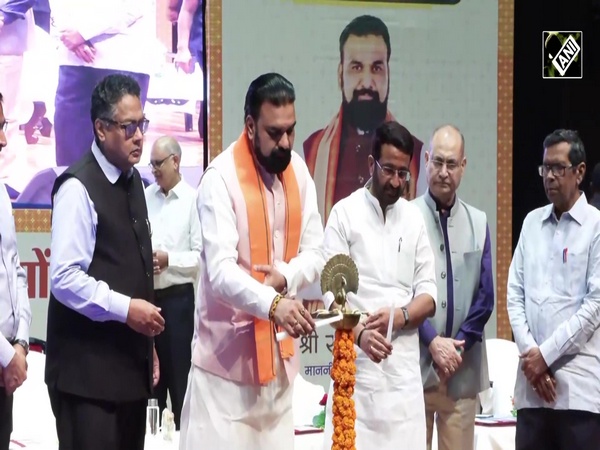
Shah then spoke about India’s knowledge traditions and the need to preserve and expand them while addressing the inauguration of the ‘Ganesh Gyanarthi’ exhibition at the Asiatic Society of Mumbai.
“True knowledge is never held hostage by an ideology. Knowledge itself is an ideology. If you bind it in any way, you change the very meaning of knowledge. Knowledge should be free and uninhibited, and its declaration should also be free and uninhibited,” he said.
Shah called for the knowledge, wealth and collections preserved at the Asiatic Society to be used for the creation of a “Great India”, while asserting that decolonisation should mean presenting history completely, authentically and from an Indian perspective rather than erasing it.
“The process of decolonisation is not about erasing history. It means presenting history completely, authentically, and from an Indian perspective before the people once again. That is decolonisation, and it must happen,” Shah said.
He highlighted rare manuscripts and texts preserved at the institution, including an illustrated copy of the Mahabharata and texts relating to Jainism and Buddhism.
Shah also proposed linking heritage libraries and institutions across the country under the leadership of the Asiatic Society of Mumbai and called for ancestral documents preserved in villages and households in Maharashtra to be collected and linked with the Gyan Bharatam manuscript survey.
“And across the country, in every village, in every city, in every state, all institutions of this kind should be connected with the Asiatic Society of Mumbai to create a shared pool of knowledge. It should be made available for students across the country, for researchers across the country, and for scholars across the country,” he said.
Shah said the knowledge preserved by the institution should ultimately serve the welfare of the country, the world and humanity.
In another engagement in Mumbai, Shah called upon the gems and jewellery sector to ensure that the entire ecosystem and manufacturing chain of lab-grown diamonds (LGDs), from machinery production to jewellery manufacturing, branding and retail showrooms worldwide, remain firmly under Indian control.
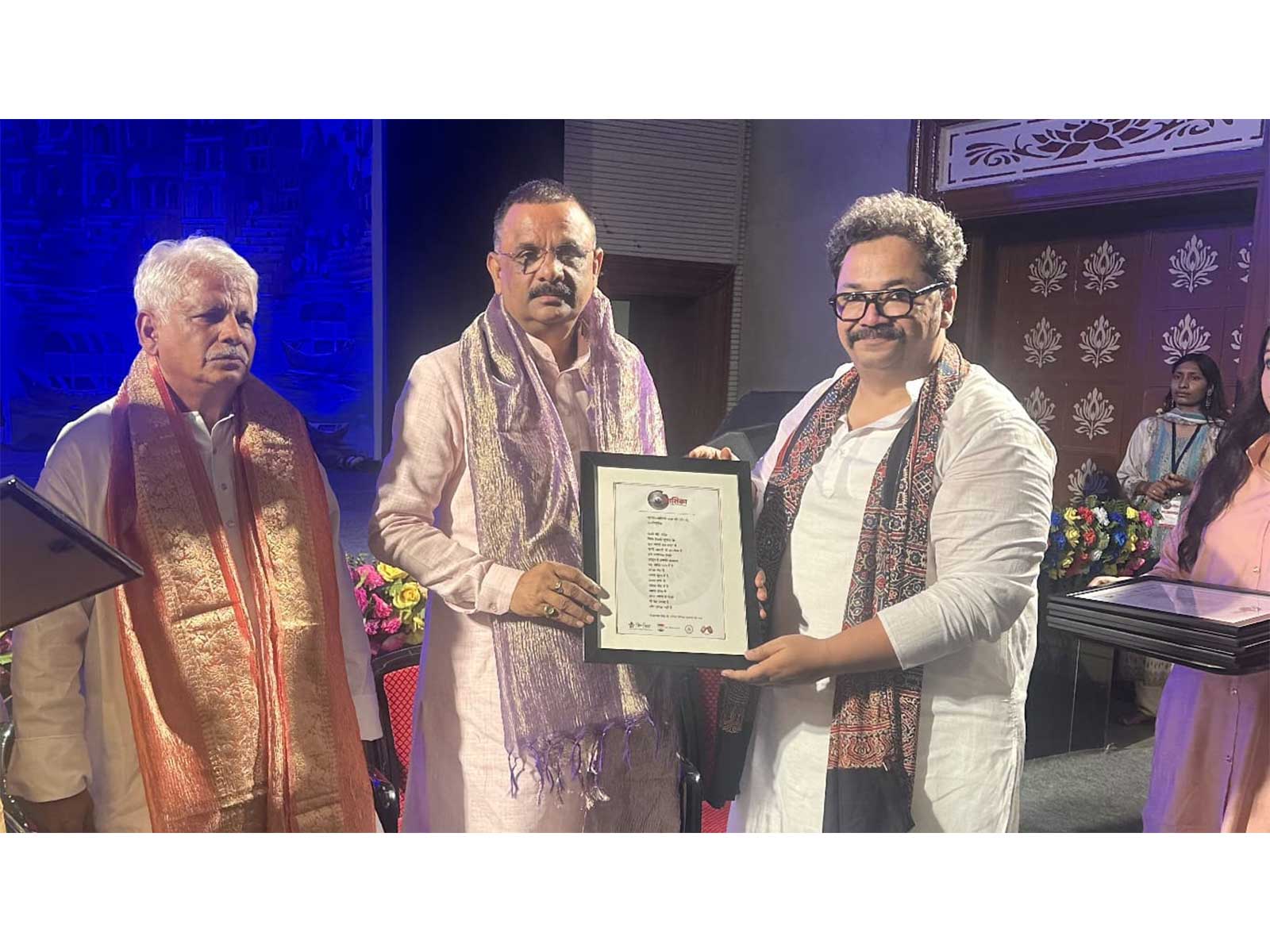
Addressing the 52nd India Gems and Jewellery Awards Ceremony, Shah said India now had all the necessary resources required to build the entire LGD value chain domestically.
“I urge all of you to ensure that the entire ecosystem and manufacturing chain of lab-grown diamonds remain firmly in Indian hands, whether it involves manufacturing machinery, producing the diamonds themselves, crafting jewellery, developing brands, or opening showrooms for Indian companies in cities across the globe,” he said.
Shah said the market for lab-grown diamonds could expand to nearly 50 times the size of the current diamond market in terms of volume and urged industry players to focus on the opportunity rather than merely price points.
He said the governments of Gujarat and Maharashtra were formulating policies for the sector and that the Centre would also introduce a policy.
“The Government of India will introduce a policy as well. You should move forward with the vision and ambition of securing India’s dominance over the entire value chain—from manufacturing the machinery to the moment the finished jewellery reaches the customer in the showroom,” the Home Minister said.
Shah also praised the gems and jewellery industry for its contribution to society, including during droughts, floods and cyclones, as well as initiatives related to water conservation, tree plantation and education for the children of artisans and employees.