‘Army sent her, can send aircraft to take her back’: Former envoy Veena Sikri urges safe return for Sheikh Hasina amid rising unrest in Bangladesh
Nov 12, 2026
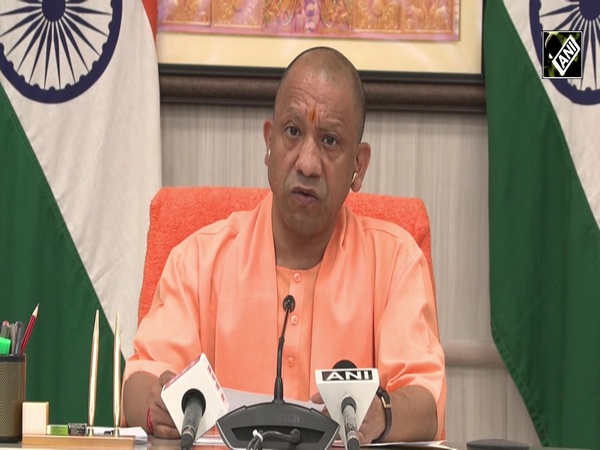
New Delhi [India], November 12 : Former Indian High Commissioner to Bangladesh Veena Sikri has suggested that the Bangladesh Army should step in to facilitate ousted Prime Minister Sheikh Hasina’s planned return to Dhaka next month if Prime Minister Tarique Rahman’s government refuses to engage in the process.
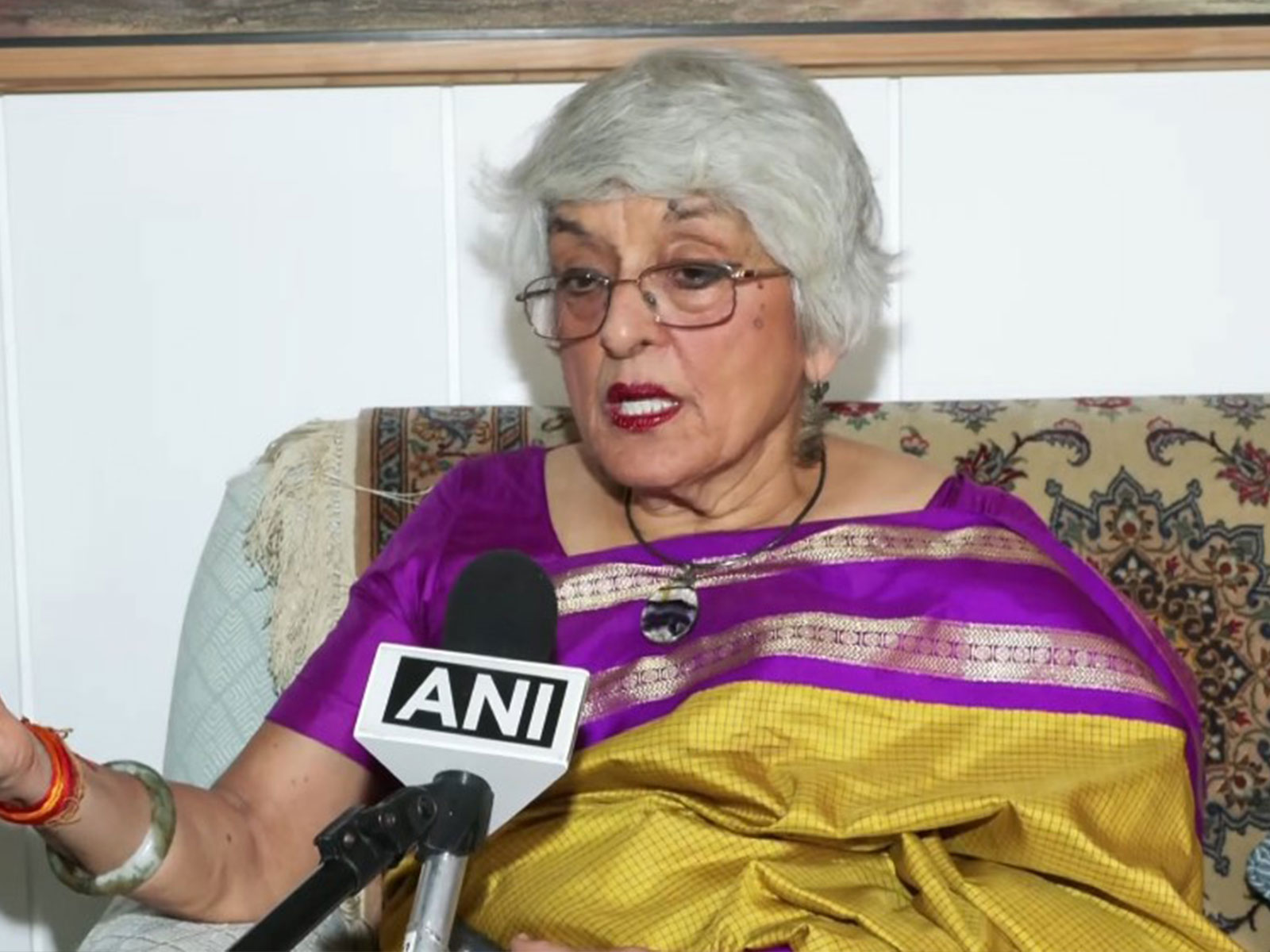
Speaking to ANI amid escalating street violence and political instability across Bangladesh, Sikri argued that Hasina’s announced intention to return in December and face legal proceedings renders Dhaka’s prolonged extradition demands irrelevant.
"Now that she wants to go back, I think the extradition process is no longer meaningful... And I think the Bangladesh government and Indian government should work out a process. If the Bangladesh government does not want to talk about it, I think the only other institution in Bangladesh that has a big role in this is the Army. Because the Army sent her on a military aircraft, they can send another military aircraft to take her back," Sikri stated.
Recalling Hasina’s ouster following mass protests in August 2024, Sikri noted that New Delhi had initially granted landing permission to a Bangladesh military aircraft carrying her on the understanding that she would travel onward, before she requested to stay in India.
"She has been our respected guest, and she has been given full honours, in keeping with her status as Prime Minister of Bangladesh, because when she came, she was still the Prime Minister. Now that she has expressed her desire, her determination to go back... I think it's up to the government of India to ensure her safe return," she added.
Sikri accused Prime Minister Tarique Rahman’s Bangladesh Nationalist Party (BNP) administration, which assumed power following the February 2026 general elections, of deliberately stalling Hasina’s return behind lengthy extradition protocols.
"Tarique Rahman does not want her to return. So, they keep talking about extradition, knowing extradition will take four to five years, so they're very happy that she should not come back," she said.
Meanwhile, the Bangladesh High Commission in New Delhi confirmed receiving an email from the law firm Matrix Chambers seeking the return of Hasina’s existing passport and National Identity Card (NID)—rather than an application for fresh documents.
However, Bangladeshi officials noted they are verifying the communication's authenticity due to a lack of supporting authorisation from Hasina, adding that the request has been forwarded to the Ministry of Foreign Affairs for examination.
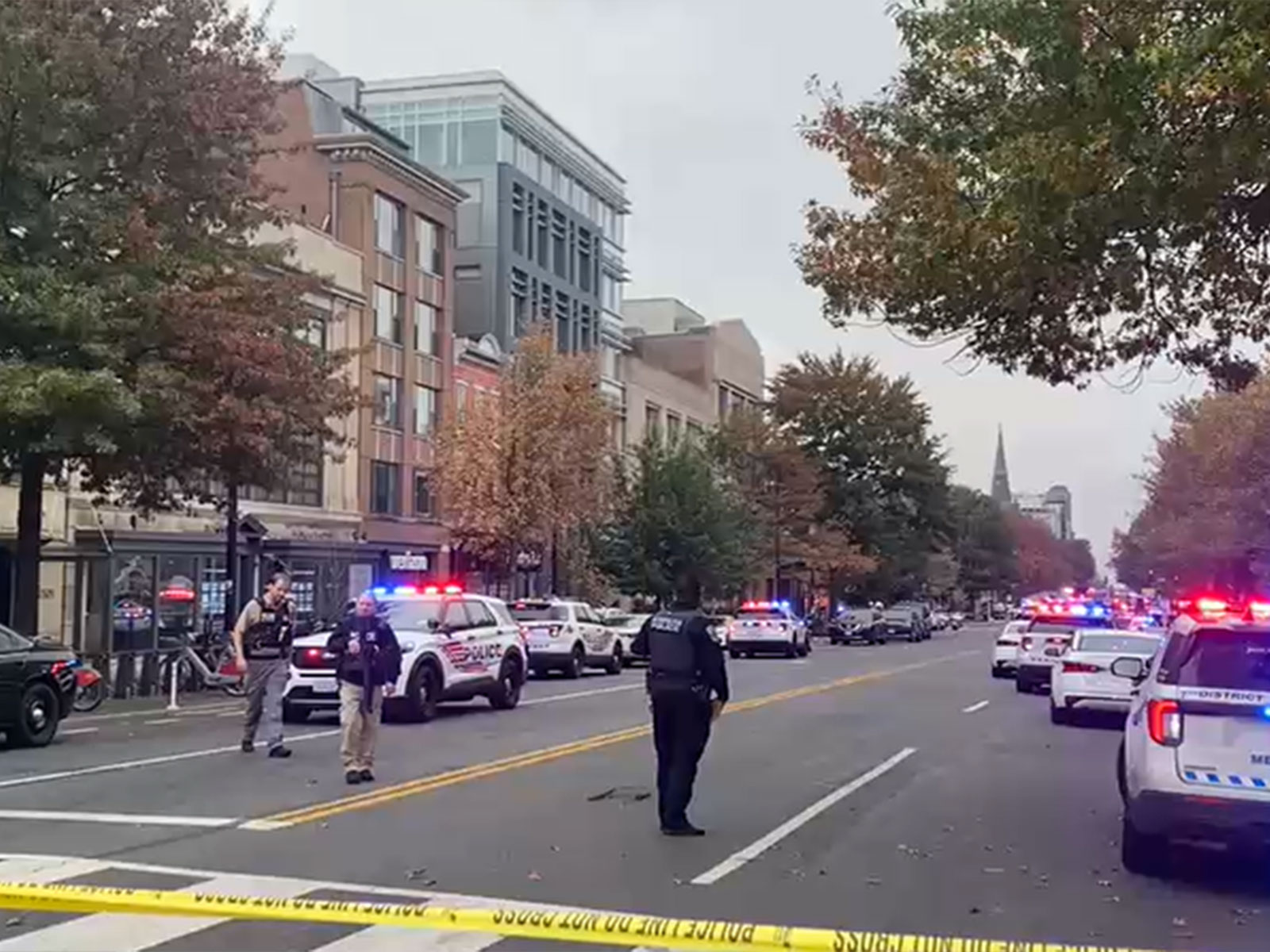
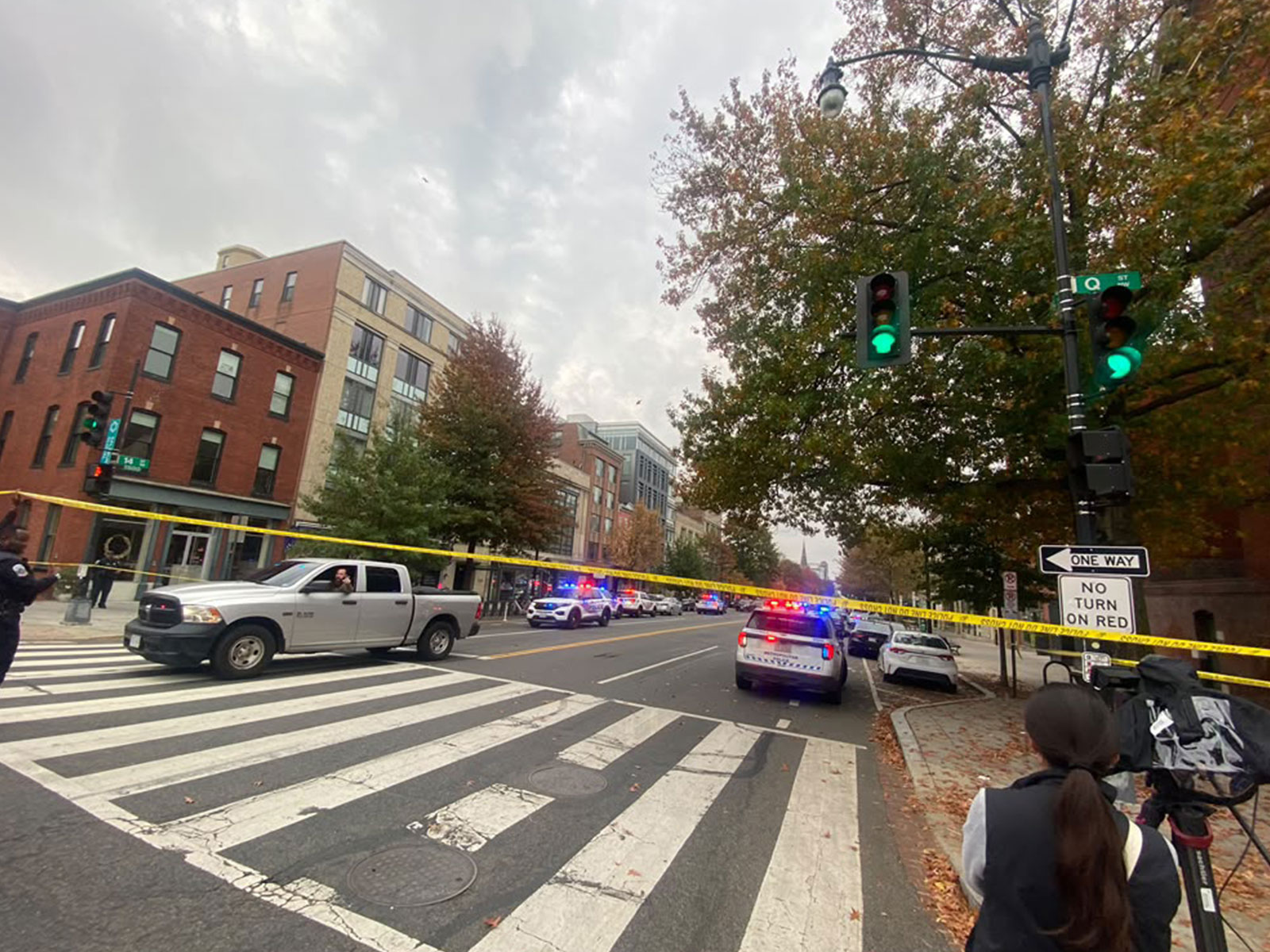
Sikri’s remarks come against the backdrop of fresh turmoil in Bangladesh, including arson attacks, vehicles being set ablaze, isolated cocktail bomb explosions, and a petrol bomb strike on the ancestral home of National Citizen Party (NCP) leader and MP Nusrat Tabassum in Kushtia.
While Bangladesh’s Home Minister Salahuddin Ahmed alleged that the former regime is orchestrating the violence to create instability and stated that police are taking lawful action, Sikri attributed the unrest to deep public frustration.
According to the former envoy, Bangladesh’s GDP growth has slumped from 6–7 per cent during Hasina’s 15-year tenure to barely 2–3 per cent amid factory closures, high inflation, and strained trade ties with India. She noted that voters who backed the BNP in February out of fear of Jamaat-e-Islami and radical factions have grown disillusioned over the past eight months.
"The general mood in Bangladesh is that it was better under Sheikh Hasina, aage bhalo chhilo. They say that we had economic growth, we had jobs, we had security of life," Sikri said, pointing to ongoing attacks on minorities, the growing footprint of extremist outfits, including AQIS, ISIS-K, Jaish-e-Mohammed, and Lashkar-e-Taiba and external interference from Pakistan and Turkiye.
Sikri further observed that even Bangladesh’s roughly 20 per cent undecided electorate views the ban on the Awami League as undemocratic and unconstitutional, fueling a grassroots resurgence in rural strongholds like Kushtia that local police are struggling to contain.
"Because of Sheikh Hasina's announcement of her return, I think that this has been like a matchstick," Sikri remarked. "People don't accept the banning of the activities of Awami League. They want Awami League to be back in the political mainstream, and then people will decide whatever they want."