Article 370 Abrogation Anniversary: Peace and development in J&K contrast with unrest in PoJK
Aug 05, 2026
Srinagar (Jammu and Kashmir) [India], August 5 : Seven years after the abrogation of Article 370, the trajectories of Jammu and Kashmir and Pakistan-occupied Jammu and Kashmir (PoJK) present a sharp contrast.
While Jammu and Kashmir has witnessed improved infrastructure, growing tourism, expanding economic activity and relative stability, PoJK has continued to witness protests, allegations of excessive use of force, detentions and growing public discontent.
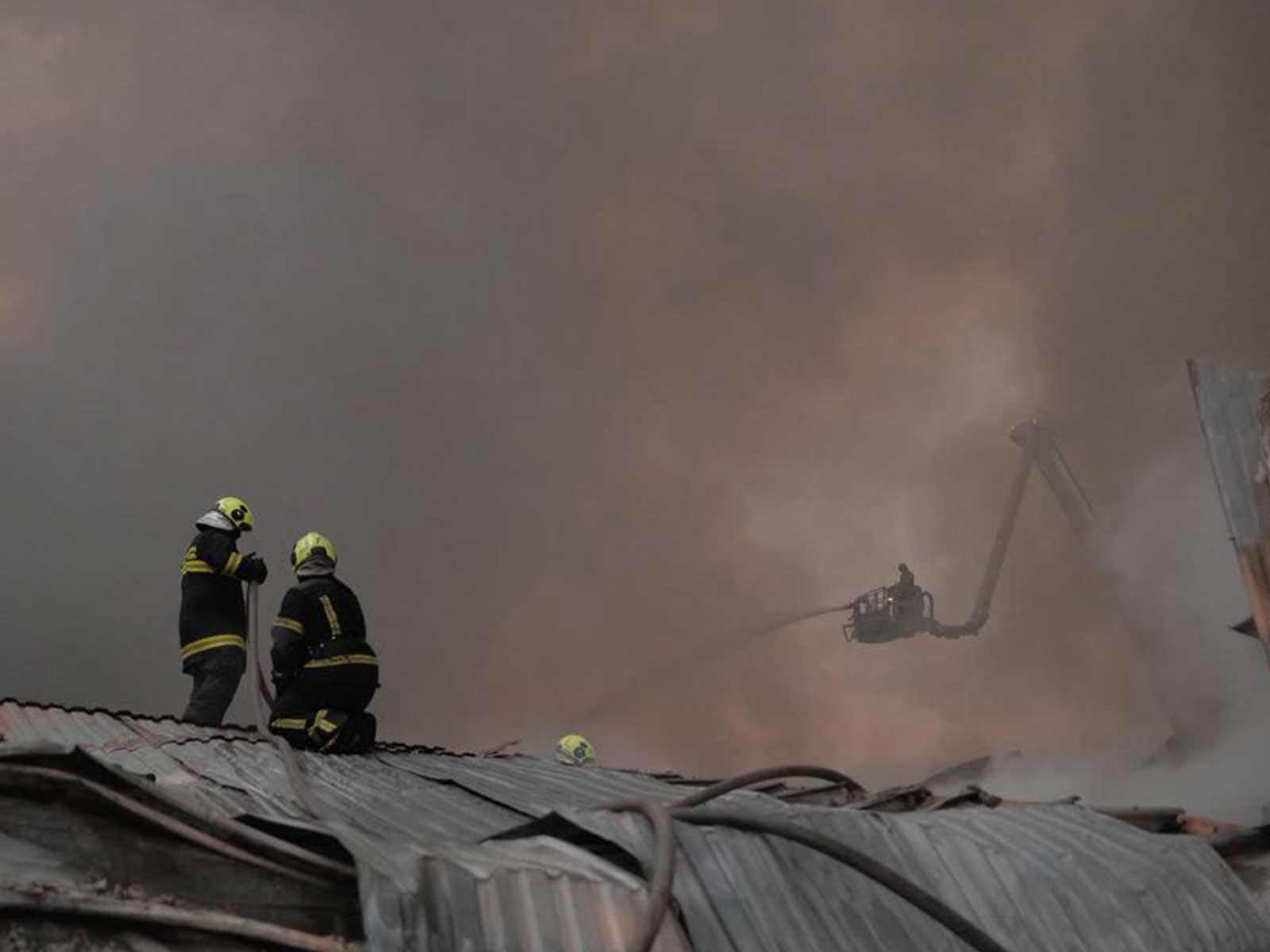
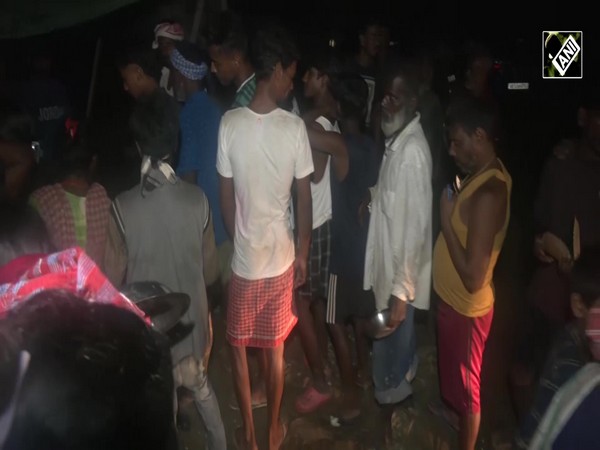
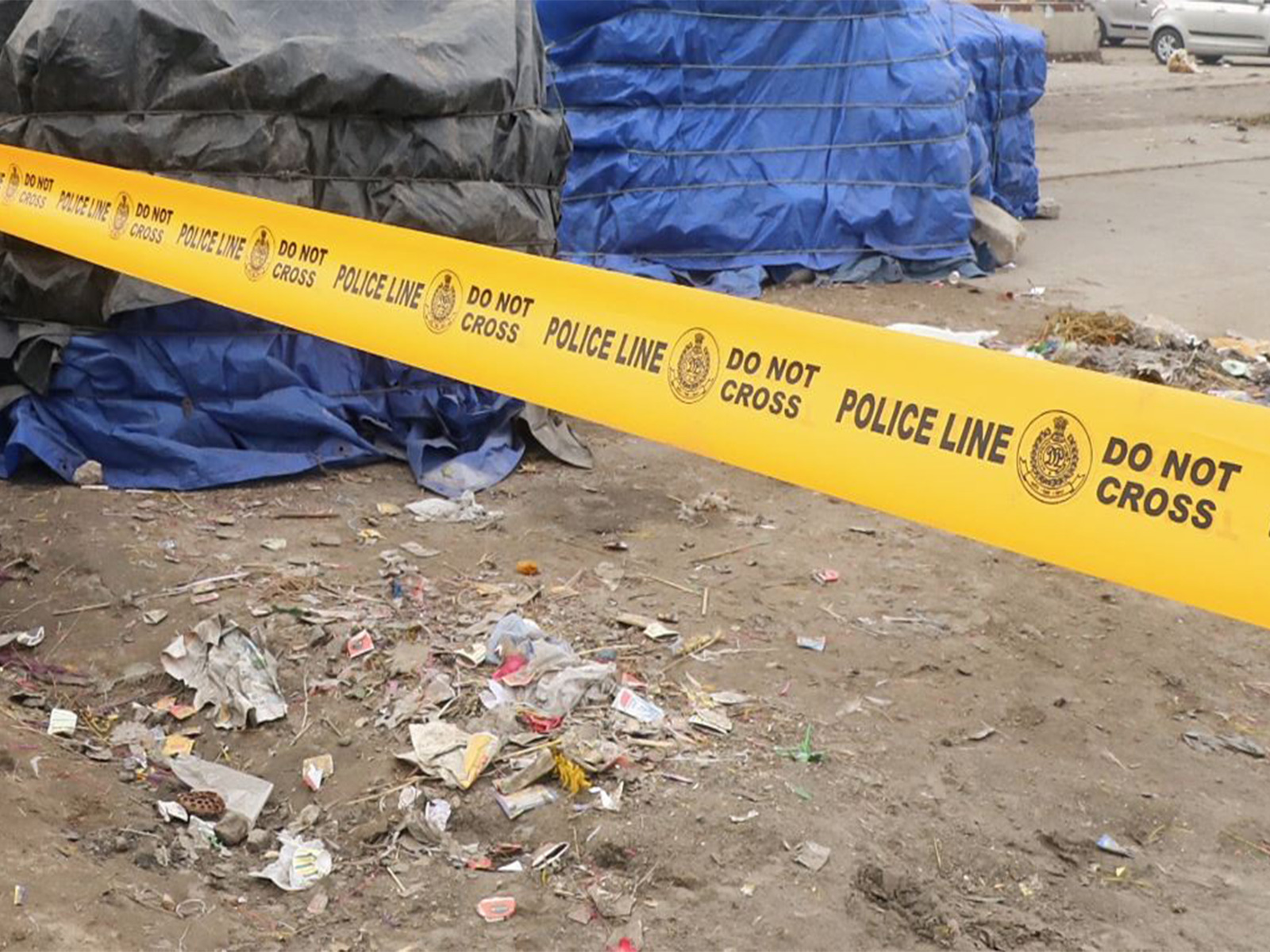
In recent months, anti-government protests in PoJK have intensified over demands related to governance and public grievances. Protesters and local organisations have alleged excessive force by Pakistani security agencies during demonstrations, resulting in casualties, injuries and arrests.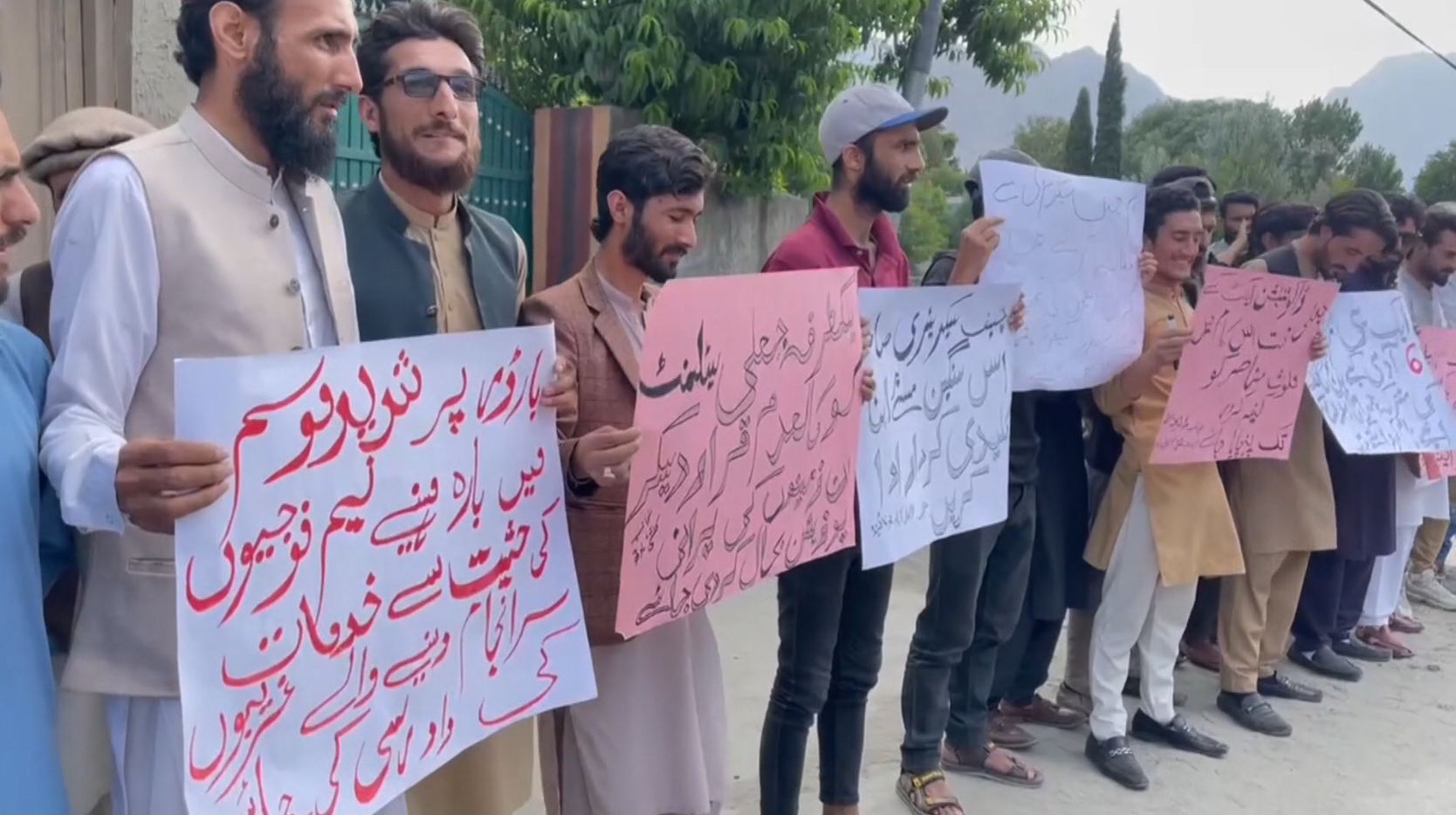
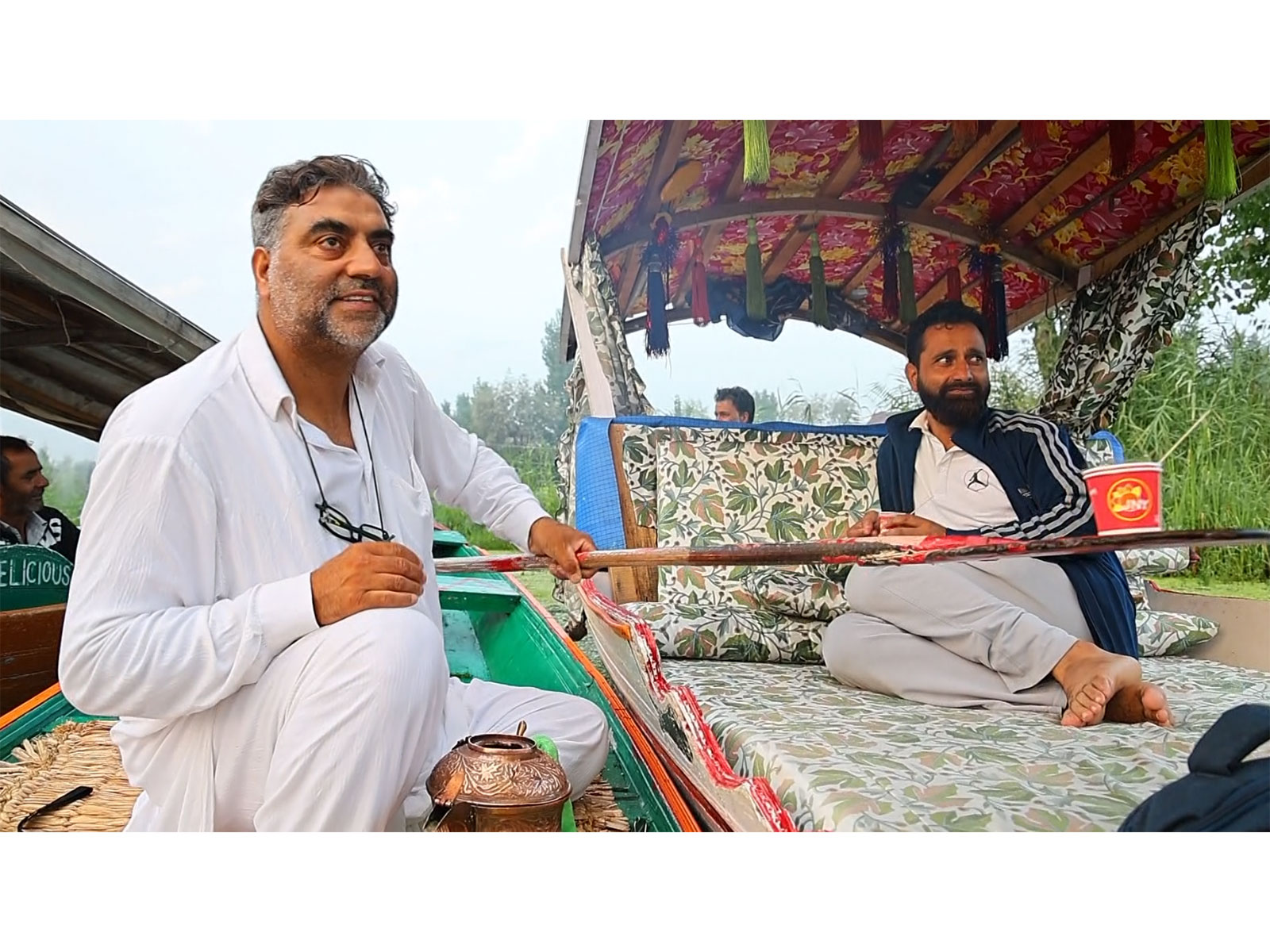
Political activist and social media influencer Aqeel Bhai recently shared a video from Chinar Chowk in Rawalakot, where he recounted the violence that unfolded during the protests.
Walking through the area, Aqeel pointed to memorial inscriptions bearing the names of those who lost their lives and alleged that security personnel stationed in surrounding buildings opened fire on protesters gathered at the Chowk.
According to Aqeel, he was present near Chinar Chowk when the firing began.
He said that by the time he reached the main protest site, several people had already been shot. He described seeing bodies lying on the ground and blood across the area, calling it one of the most traumatic incidents he had witnessed.
Aqeel alleged that around ten names are currently commemorated at the site but claimed that several people who were initially injured later succumbed to their injuries, increasing the overall death toll from the incident.
He also thanked international human rights organisations, journalists and media outlets for drawing attention to the situation in PoJK.
Meanwhile, the Jammu Kashmir Joint Awami Action Committee (JKJAAC) has continued to raise concerns over the detention of its Core Committee member Shaukat Nawaz Mir.
In separate posts on X, JKJAAC alleged that Mir, who was arrested by PoJK Police on June 30, has not been produced before a court despite a habeas corpus petition filed by his sister on July 16.
The organisation further claimed that he has been denied access to his family and legal due process.
In another statement, JKJAAC alleged that security forces used force against peaceful demonstrators and reiterated its commitment to pursuing what it described as the "mission of the martyrs" who lost their lives during the protests.
The group maintained that it would continue pressing for the implementation of its demands despite the ongoing crackdown.
Across the Line of Control, the situation has evolved along a different trajectory.
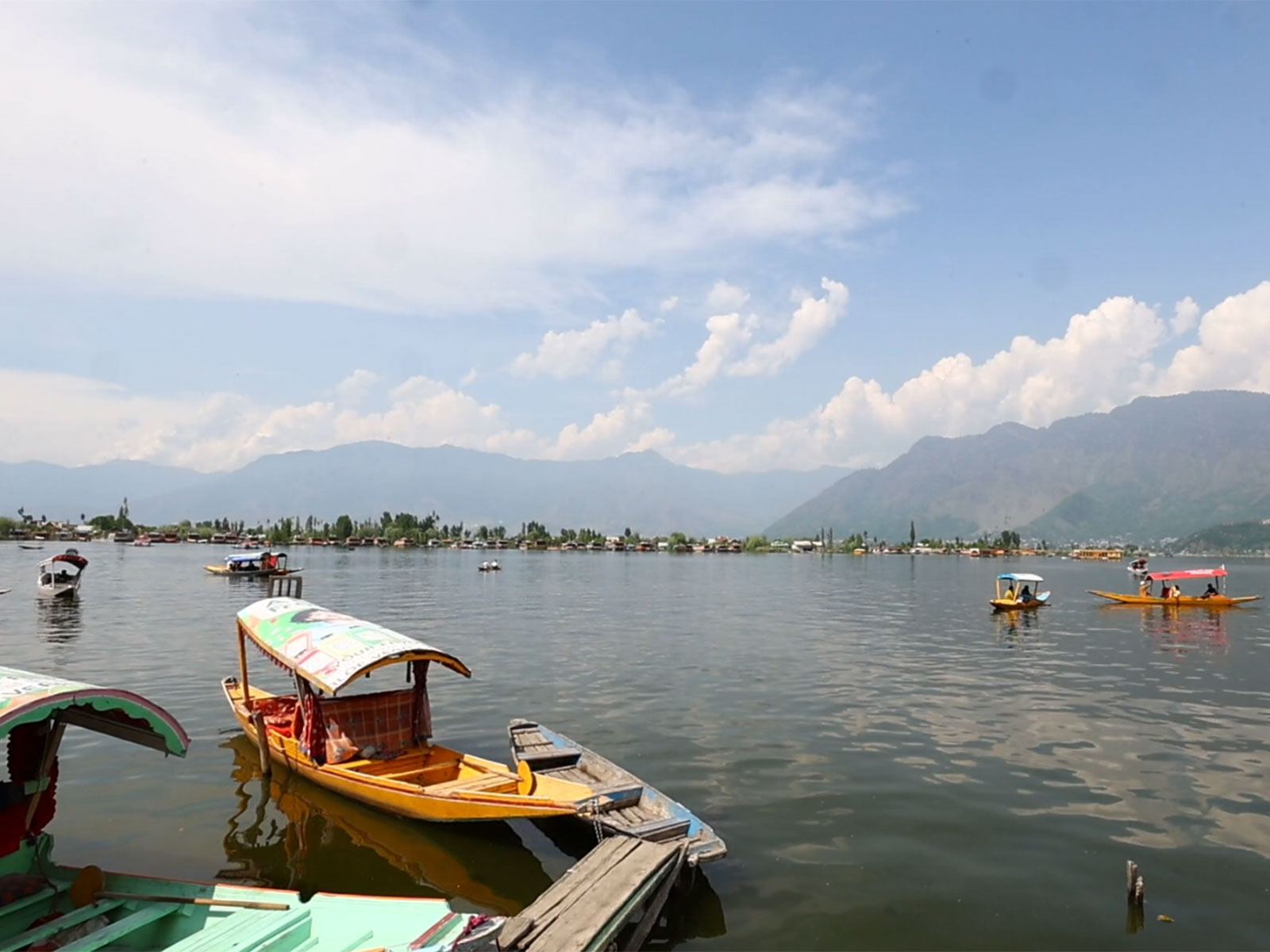
Since the abrogation of Article 370 in August 2019, Jammu and Kashmir has witnessed accelerated infrastructure development, improved road and rail connectivity, expansion of healthcare and educational facilities, tourism growth, increased sporting and cultural events, and rising investment across multiple sectors.
Destinations such as Srinagar, Gulmarg and Pahalgam have witnessed increasing tourist footfall, supporting local businesses ranging from hotels and transport operators to handicraft sellers, orchard owners and homestay operators.
The contrasting developments on either side of the Line of Control highlight two different realities--while Jammu and Kashmir has increasingly focused on economic growth, infrastructure development and tourism-led opportunities, PoJK continues to witness recurring political unrest, allegations of human rights violations and demands for greater civic and political rights.