ASEAN "a major trading partner" with USD 122 billion trade: MEA Secy (East) Tandon ahead of PM Modi’s Philippines visit
Nov 12, 2026
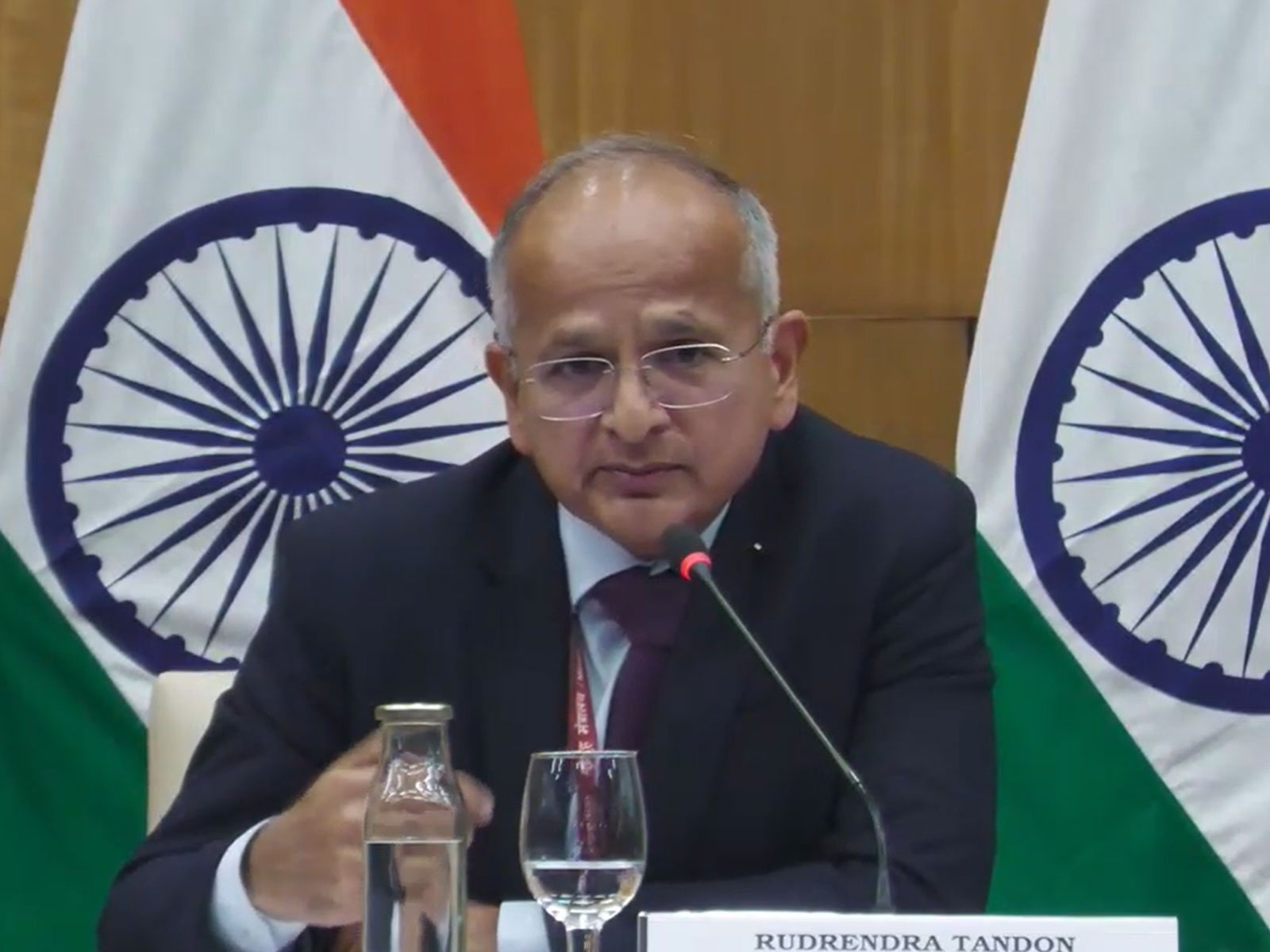
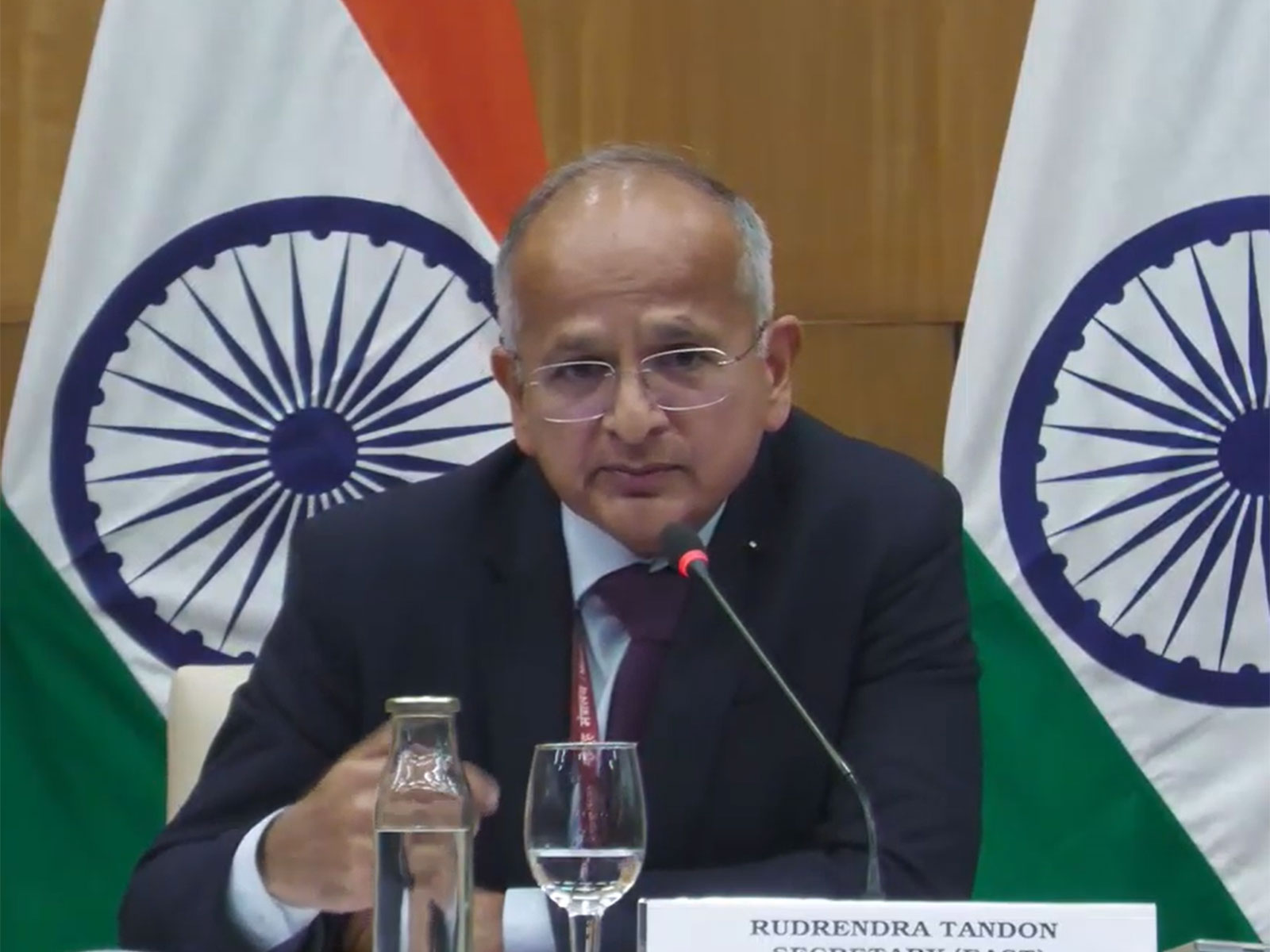
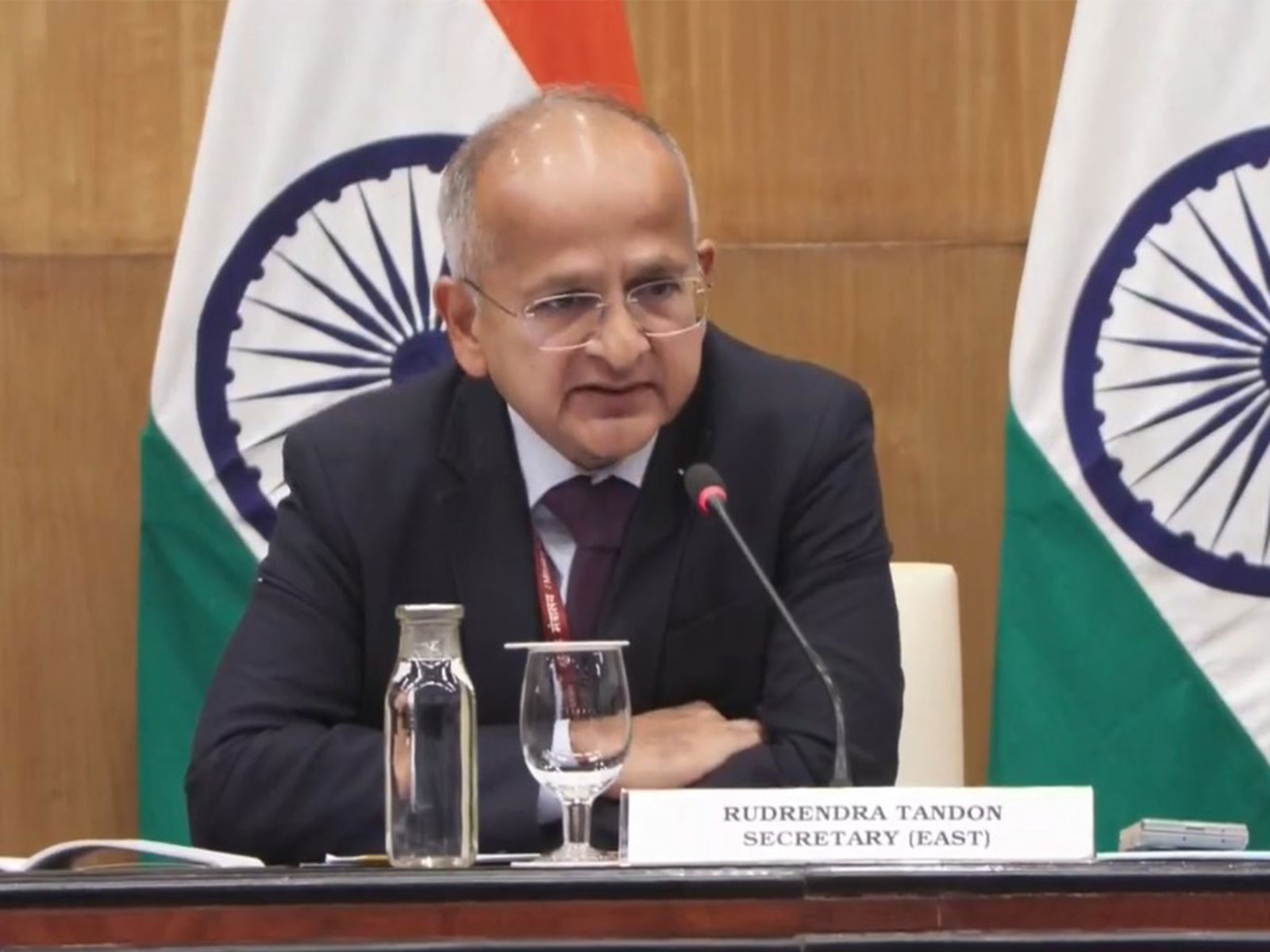
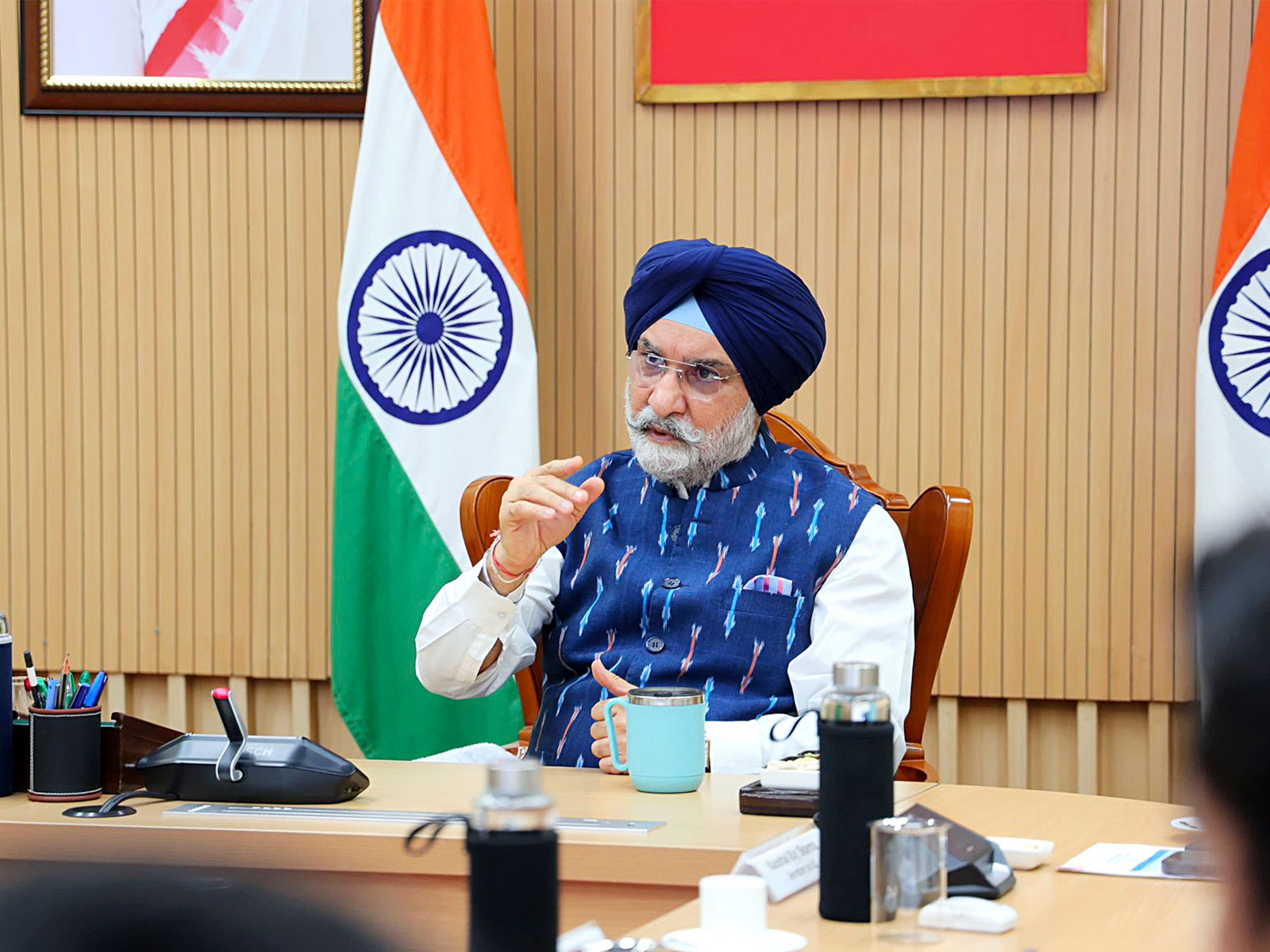
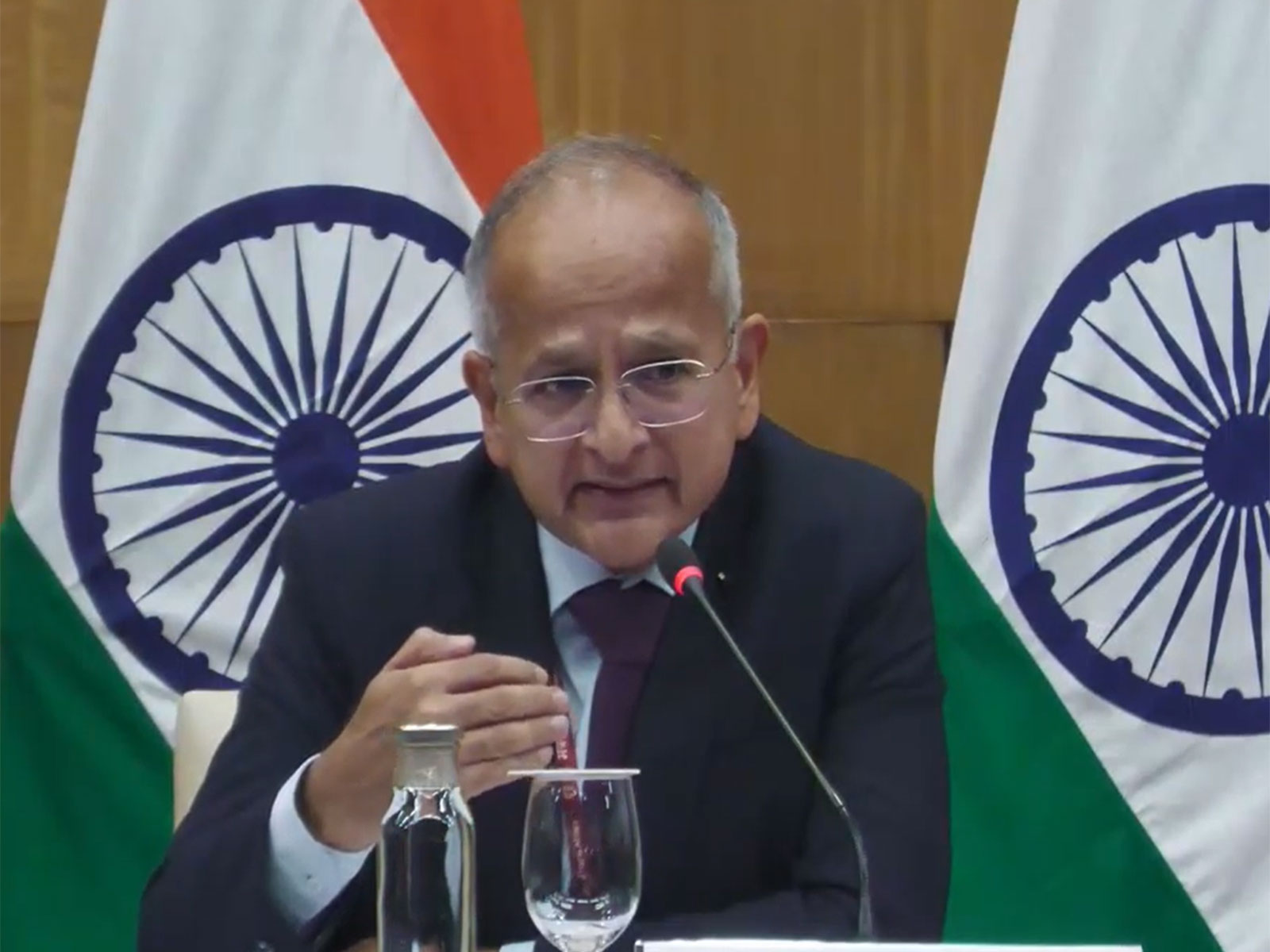
Manila [Philippines], November 12 : India’s trade with the Association of Southeast Asian Nations (ASEAN) region has reached approximately USD 122 billion, making it a major trading partner for the country, Union Ministry of External Affairs Secretary (East) Rudrendra Tandon said on Thursday, underlining the importance of strengthening India's strategic and economic engagement with the regional grouping.
Speaking during a special briefing on Prime Minister Narendra Modi's visit to the Philippines, Tandon said India engages with ASEAN at multiple levels, including through meetings of heads of government, foreign ministers, senior officials and specialised sectoral dialogue mechanisms.
"Today we are trading with the entire region of approximately 122 billion, so it has also emerged as a major trading partner for India," Tandon added.
"India engages with the ASEAN grouping at multiple levels, including at the highest level of heads of government--this is what the Prime Minister's visit is all about. But there is also engagement at the foreign ministers' level, at the senior officials' level, and in certain speciality sectoral dialogue mechanisms," he added.
Emphasising the strategic significance of India's relationship with Southeast Asia, the MEA Secretary said that a strong partnership with ASEAN member states, both collectively and individually, would help strengthen resilience amid rapidly changing geopolitical circumstances.
"We in India strongly believe that as an Indian Ocean country that abuts this very important Southeast Asian maritime zone, a strong strategic relationship with the ASEAN member states--as a collective as well as individually--is good for both of us," he said.
"It will make us more resilient to handle the very rapid geopolitical changes that are taking place around us, and will also, I think, contribute to peace and stability in Asia as a whole," he added.
Tandon also highlighted maritime cooperation as an important dimension of India-ASEAN relations, noting that 2026 was marked as the India-ASEAN Year of Maritime Cooperation, with a series of activities organised to underline the geographical and strategic connections between the two sides.
"In 2026, we marked the India-ASEAN Year of Maritime Cooperation, where we did a series of activities, but essentially to highlight the fact that our special relationship with each other arises out of the fact that we inhabit adjoining maritime zones," he said.
On the challenges surrounding trade negotiations within the regional grouping, i.e, ASEAN–India Trade in Goods Agreement (AITIGA), Tandon said that reaching consensus among multiple countries makes multilateral negotiations more time-consuming.
"On AITIGA, we want the review of the AITIGA process to be completed as soon as possible. That conversation is ongoing. However, you must remember that we are also, at the bilateral level, having discussions on trade facilitation and developing bilateral trading relations of a much higher quality. So, the trade interests that India has in the region are being looked after, irrespective of whether or not we have completed the review of the AITIGA process," he said.
"A multilateral trade negotiation is far more difficult to execute because it involves 10 parties that you are dealing with, and developing a consensus amongst them on a particular trade issue is always going to be time-consuming. But be assured that on the bilateral track, we are also doing several trade facilitation initiatives and trade agreements that will provide opportunities for our companies and their companies to do trade," he said.
The remarks come ahead of the 49th ASEAN Summit and Related Summits, which the Philippines is hosting in Manila, with at least 19 world leaders and heads of global institutions expected to participate.
Under the theme 'Navigating Our Future, Together', the summit will focus on strengthening regional collaboration and enhancing ASEAN's collective capacity to respond to emerging regional and global challenges, including the situation in Myanmar.
According to the Philippines' Department of Foreign Affairs (DFA), the high-level engagements will begin on November 15 with the opening ceremony at the Philippine International Convention Center, followed by plenary and retreat sessions of ASEAN leaders.
The leaders will also hold interface meetings with ASEAN Parliamentarians, the business community and youth representatives.
As per the Philippine news agency, the related summits, or Plus One Summits, will take place from November 16 to 17, with participation from dialogue partners, including India, China, Australia, Japan, New Zealand, South Korea, Russia, the United Nations and the United States.
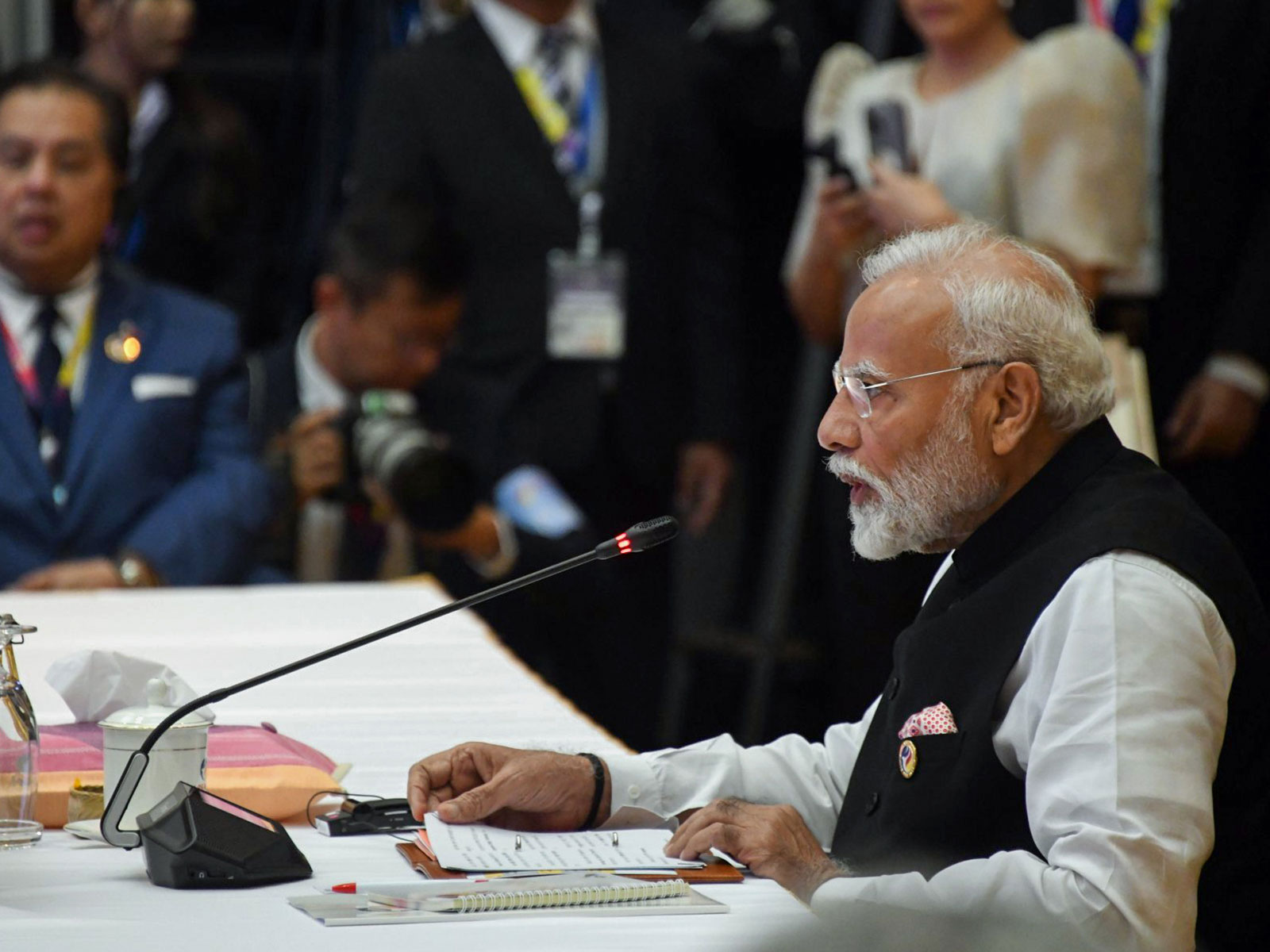
Prime Minister Narendra Modi is expected to participate in the engagements, while US President Donald Trump and UN Secretary-General Antonio Guterres are also expected to attend the regional gathering.
Chinese Premier Li Qiang, instead of Chinese President Xi Jinping, will attend the 29th China-ASEAN Leaders' Meeting scheduled for November 15 and 16 in Manila, as per Anadolu news agency. According to a report by The Manila Times, the Philippines' DFA had clarified that Premier Li, rather than Chinese President Xi Jinping, customarily represents Beijing at ASEAN-related summits.
The DFA said the participation of global leaders and institutional representatives underscores ASEAN's "unique convening power and continued role as a platform for dialogue and cooperation" with the wider international community.
The Philippines, under President Ferdinand R. Marcos Jr., will also convene the 29th ASEAN Plus Three Summit and the 21st East Asia Summit on November 17, before handing over the ASEAN chairship to Singapore.
The day will conclude with the ASEAN-United States Special Summit, which will be attended by US President Donald Trump.