Attack on Constitutional values, trying to change curriculum: KC Venugopal on 'Emergency' section
Jun 25, 2026
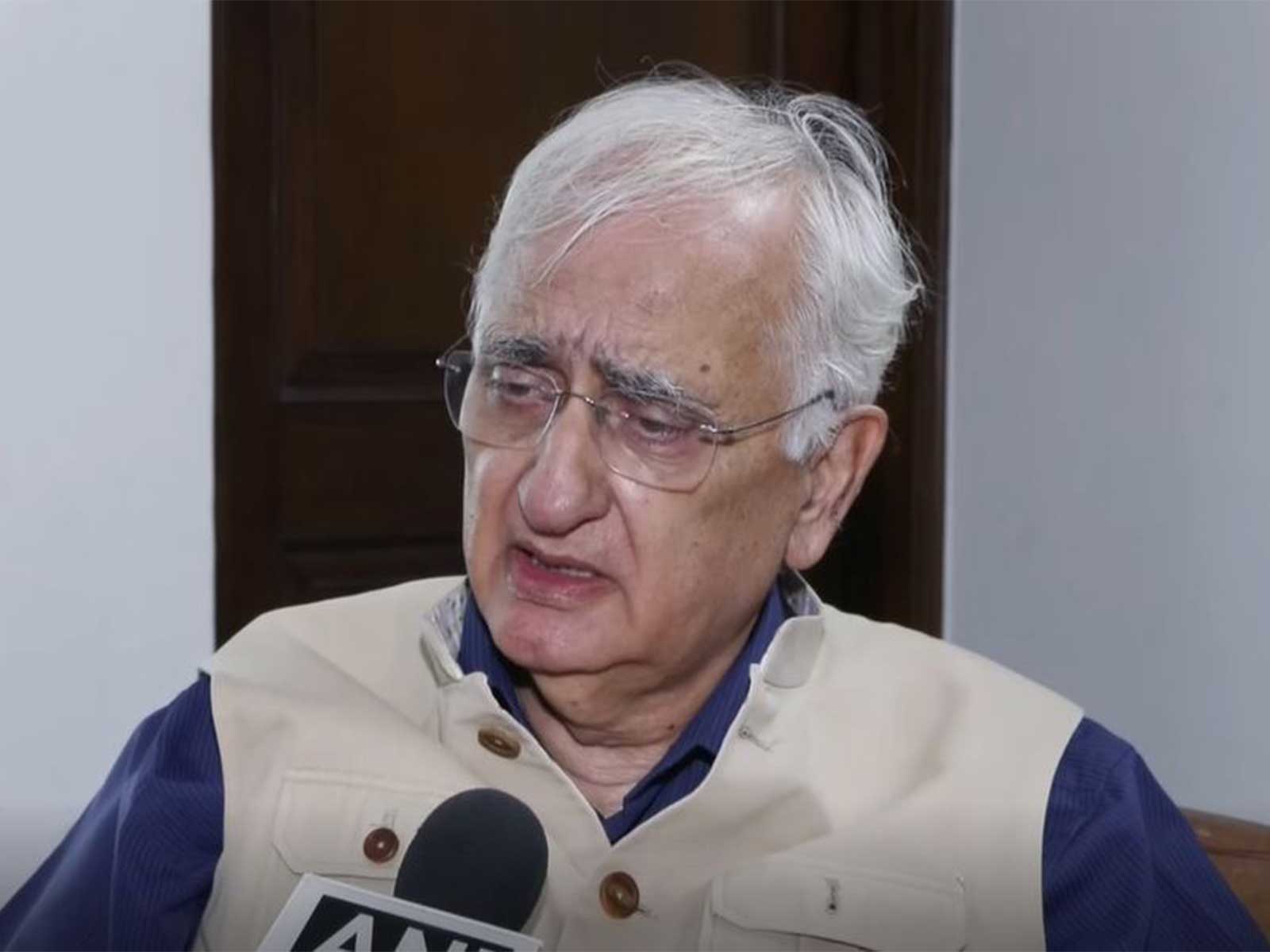
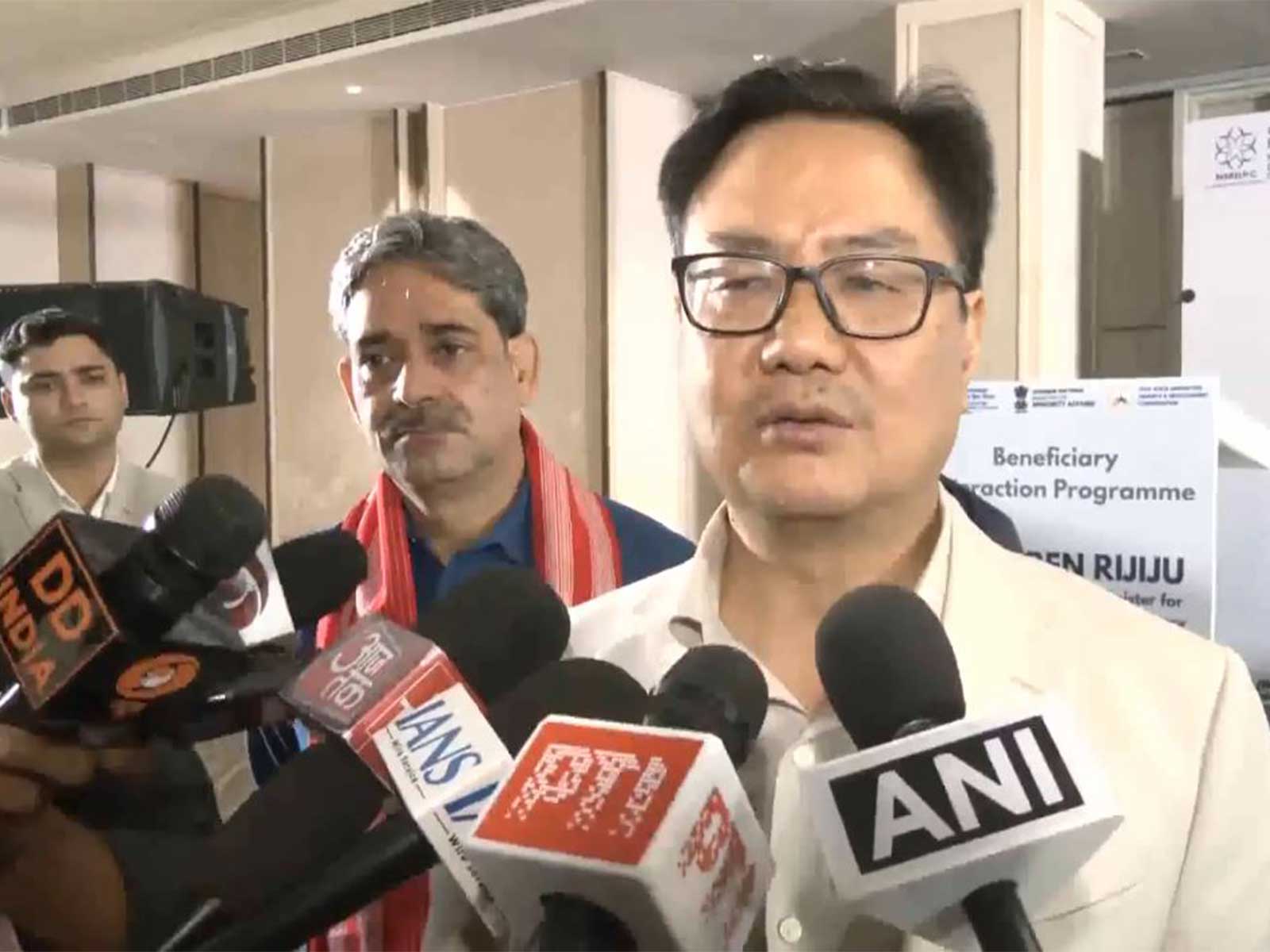
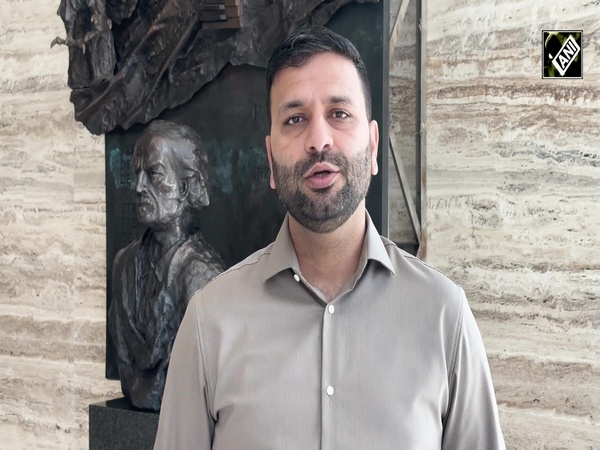
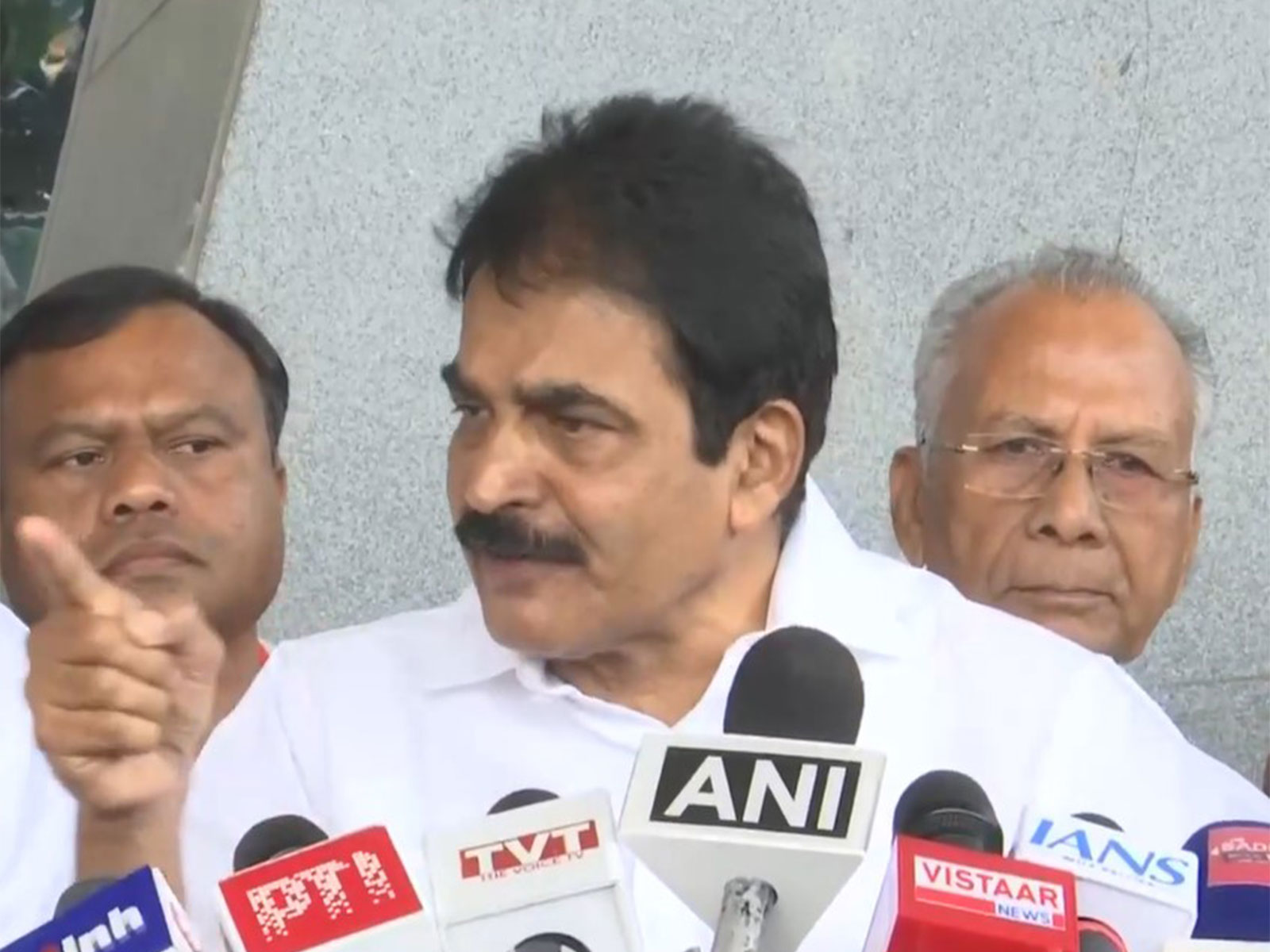
Raipur (Chhattisgarh) [India], June 25 : Congress MP KC Venugopal on Thursday criticised the National Council of Educational Research and Training (NCERT) for introducing a section on the Emergency in the Class IX textbook, alleging that the move was driven by "divisive politics" and an attack on the Constitutional values.
Speaking on the issue, Venugopal said, "They(BJP) are interested only in this type of divisive politics. They are trying to divert the history of India and are trying to change the curriculum... This is not at all acceptable. This is an attack on constitutional values, and we are fighting against that."
Union Education Minister Dharmendra Pradhan on Thursday welcomed the National Council of Educational Research and Training's (NCERT) decision to introduce a section on the Emergency in Class IX textbooks, saying future generations should be aware of the dark deeds of that period to ensure such circumstances do not recur.
Speaking to reporters, Pradhan said,"This is correct. NCERT has done the right thing. Future generations should know and understand the dark deeds of the Emergency so that such a situation does not arise again. That is why NCERT brought it to the forefront. NCERT did a good job..."
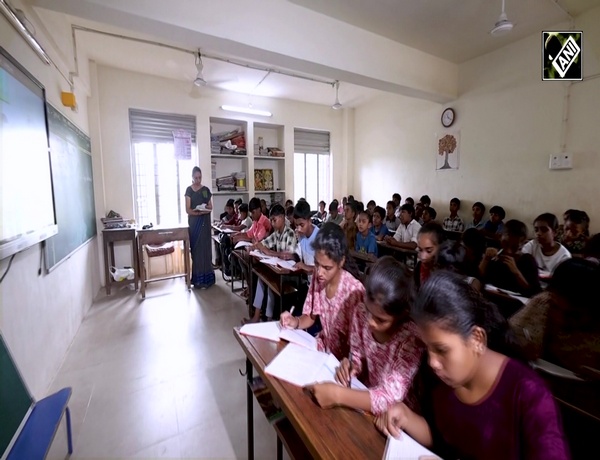
The NCERT has, for the first time, introduced the topic in a Class 9 textbook, presenting it as "one of the major challenges," as the majority of fundamental rights were suspended.
The reference appears in the newly developed Social Science textbook, Understanding Society: India and Beyond, where the Emergency has been included in a chapter examining the strengths and challenges of Indian democracy.
An official at NCERT has confirmed that this is the first time that a section on Emergency has been added in the Class 9th textbook.
The inclusion marks a significant addition to the school curriculum, coming as the country recently observed 50 years since the declaration of the Emergency in 1975.
"One of the major challenges to democracy in India was recorded when an Emergency was imposed in 1975-77. In the early 1970s, public dissatisfaction with the government led by Indira Gandhi was growing. Rising unemployment, inflation, and allegations of misgovernance led to widespread protests," the section reads."
In June 1975, a National Emergency was imposed by the government on the grounds of internal disturbance. During this period, a majority of Fundamental Rights were suspended, the press was censored, and numerous political leaders and activists were arrested. Democratic institutions came under severe strain, and citizens' freedom was restricted," it added.
The book also highlighted the role of Jayaprakash Narayan in the movement against the Emergency.
"Mass movements led by Jayaprakash Narayan -a political leader and socialist thinker, popularly known as Lok Nayak-mobilised students and citizens, especially in Bihar and Gujarat. The Emergency was lifted in 1977, and general elections were held, allowing people to express their will through the ballot. The defeat of the ruling government demonstrated the strength of Indian democracy and highlighted the importance of Democracy," an excerpt from the book read.
The Emergency section forms part of a broader discussion on challenges facing democratic systems. Alongside the Emergency, the textbook discusses issues such as fake news, misinformation, damaging public property, violation of public rules, poverty, regionalism, social discrimination and gender inequality as challenges to democratic practice.