Attacks by US and Israel have "failed," no success possible at negotiating table: Iran's envoy to Russia
Apr 20, 2026
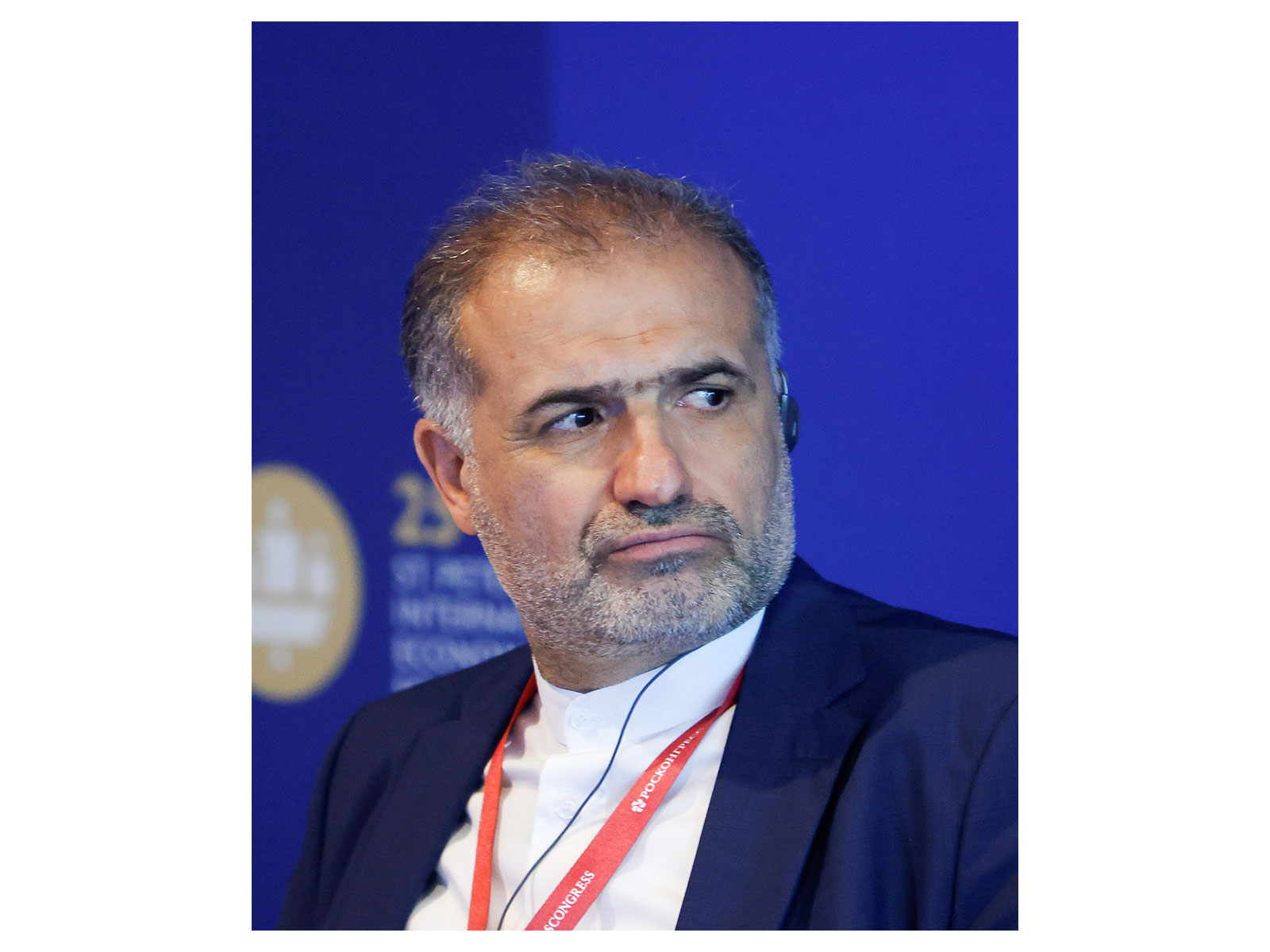
Moscow [Russia], April 20 : Iran's Ambassador to Russia, Kazem Jalali, has asserted that both the United States and Israel failed to achieve their military objectives during recent hostilities against Iran.
In an interview with the Russian newspaper Vedomosti, cited by Al Jazeera, the envoy warned that Washington DC would find no greater success through diplomatic channels than it did on the battlefield.
Reflecting on the initial goals of the opposing forces, Jalali told the publication, "They stated that they could conquer all of Iran in a few days and carry out regime change." Questioning the outcome of these efforts, he maintained that the offensive had been unsuccessful across the board.
"Question: in which of their tasks have they achieved success? Not in one. The attacks on Iran by the United States and Israel have failed," he said.
The diplomat further observed that US demands had shifted significantly as the conflict progressed, moving from total political upheaval to narrower maritime interests. According to the report by Al Jazeera, Jalali remarked, "At first they wanted regime change, but they got to the point where they only wanted to open the Strait of Hormuz. It fails."
He dismissed the efficacy of the naval blockade, stating that such measures "do not make any sense" in the face of Tehran's "iron will for further actions."
Jalali suggested that the period of conflict had served to consolidate Iranian resolve rather than diminish it. Touching upon the shift towards potential diplomacy, he noted that the US had previously aligned with Iran's 10-point proposal before retracting its support.
The Ambassador made it clear that Tehran would not be pressured into lopsided agreements following the cessation of hostilities. As per Al Jazeera's reporting of the interview, Jalali emphasised that the US President would be unable to secure through talks what was not won through force.
"What Trump did not achieve during the war, he will no longer be able to achieve during negotiations. Negotiations mean that people must reach a fair compromise based on a win-win position," he added.
These remarks come as the current two-week ceasefire is set to end on April 22. The first round of ceasefire negotiations ended in a gridlock between Tehran and Washington over the energy artery, the Strait of Hormuz, and Iran's nuclear capacities.
With the ceasefire set to lapse on Wednesday, the Islamabad talks represent the final diplomatic off-ramp before a potential escalation into full-scale infrastructure warfare.
While the US maintains that a "fair and reasonable" deal is on the table, the Iranian leadership's refusal to negotiate under the "shadow of a blockade" suggests that the 21-hour marathon of the previous round may have been just a prelude to a much darker confrontation.