"Ballot-box not democratic because it is in a polling station," Analysis points out hollow PoJK elections
Aug 03, 2026
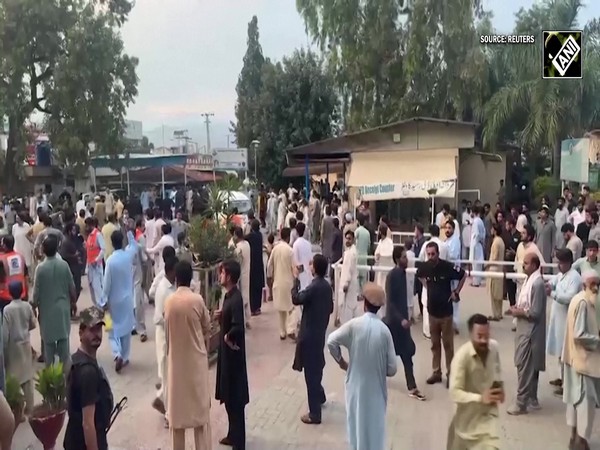
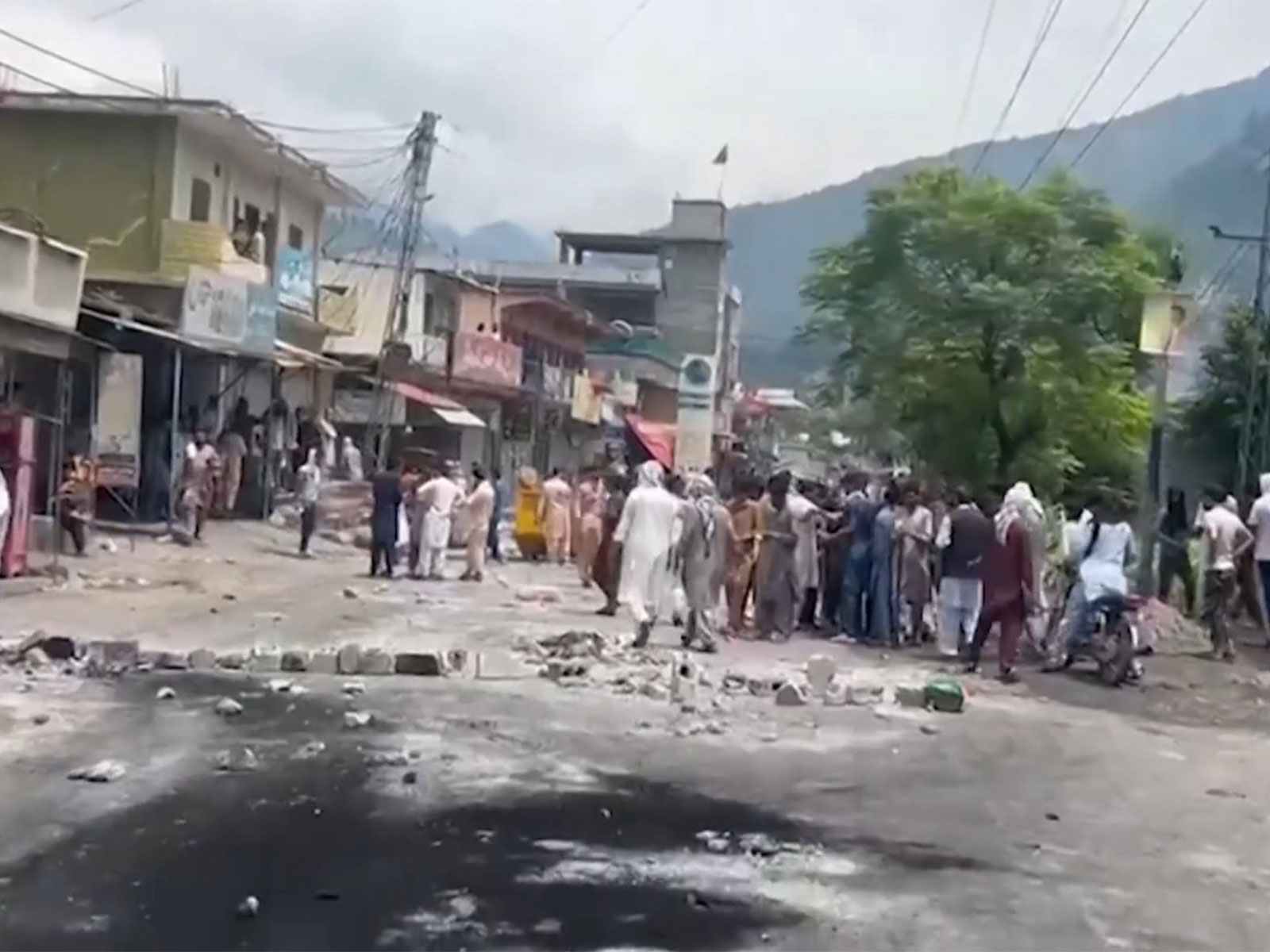
New Delhi [India], August 3 : The situation in Pakiston Occupied Jammu Kashmir continues to be on edge after Pakistani forces used violence to stop protestors. According to data updated by the Human Rights Council of Pakistan-occupied Jammu & Kashmir (HRC-PoJK) as of Sunday, a total of 80 fatalities have been documented, comprising 33 civilian deaths prior to July 27, 43 from July 27 onwards across Rawalakot, Mirpur, and Muzaffarabad, and 4 Pakistan-occupied Jammu & Kashmir police personnel.
In an opinion analysis piece written on Parrhesia News, Italian freelance journalist and South Asia specialist Francesca Marino has argued that Pakistan's foundational narrative regarding the Kashmir issue with India is undergoing a total collapse as protests, violent crackdowns, and demands for basic rights erupt within Pakistan-occupied Jammu and Kashmir, while Islamabad continues to target New Delhi, posing itself as an "innocent neighbour."
Marino wrote that Pakistan has long utilised Kashmir as a moral stage on which to hide its own Kashmir," constantly pointing toward New Delhi so that "so that nobody would look towards Muzaffarabad, Mirpur or Rawalakot."
However, as Marino highlighted, the people living in those regions have now stepped onto the stage themselves, rejecting their roles as passive backdrops.
In her opinion piece, the Italian Journalist noted that Pakistan has spent seventy years presenting the Kashmir issue to the world as a single, uncomplicated morality play where India is cast as the villain.
"It provided Pakistan with an identity, the army with a permanent enemy, the intelligence services with an inexhaustible supply of jihadists and every failing government with a diversion from bankruptcy, repression and institutional collapse. Kashmir became diplomatic currency, military doctrine and national theology. It justified wars, proxy wars, terrorism, nuclear blackmail and the disproportionate power of the men in uniform," she added.
Turning the gaze toward the Pakistan-occupied Jammu and Kashmir causes the entire narrative to collapse, Marino wrote in Parrhesia News, noting that "PoJK" is neither free from Islamabad nor Rawalpindi, nor from political engineering, economic exploitation, or the security establishment.
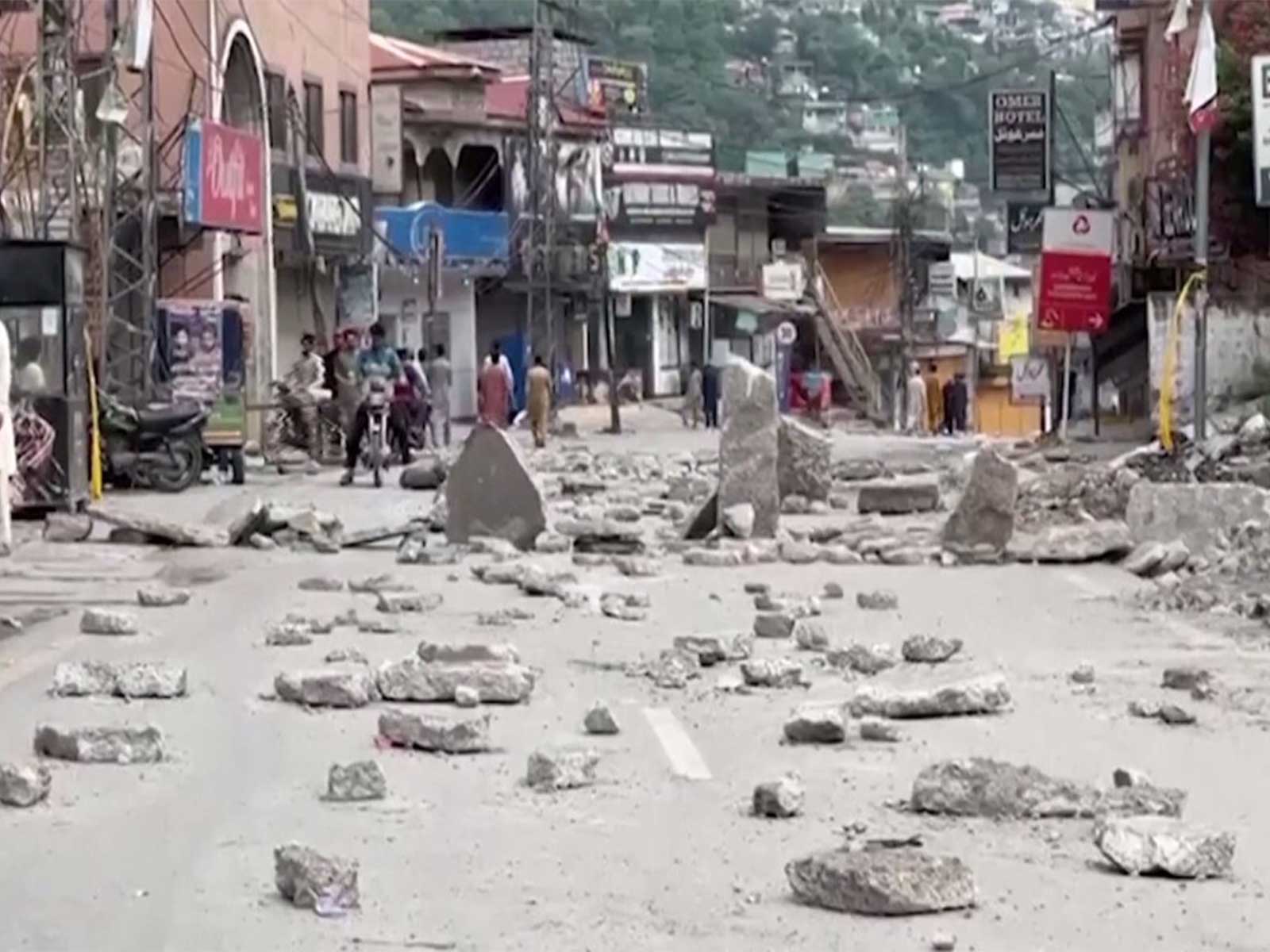
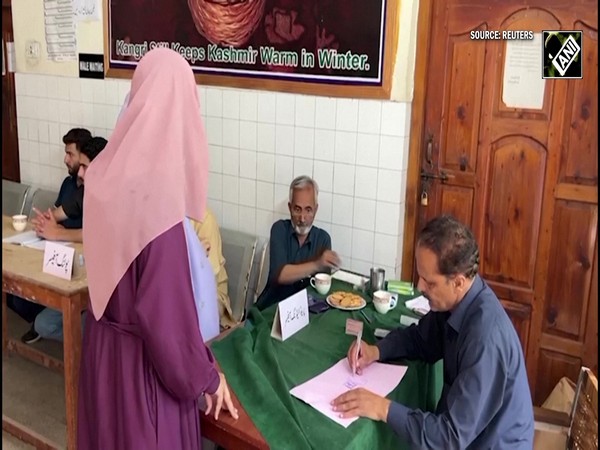
"It has the symbols of autonomy, a president, a prime minister, an assembly and a flag, but sovereignty ends precisely where Pakistani interests begin," she noted, highlighting that even these symbols are now difficult to maintain, pointing out that recent elections took place amid weeks of protests, roadblocks, mass arrests, communications restrictions, allegations of manipulation, and repeated outbreaks of lethal violence.
Marino details how the Joint Awami Action Committee, which she noted had already emerged as the principal vehicle for popular anger, raised subjects like electricity prices, flour shortages, elite privileges, and the absence of accountable government as a central demand.
Islamabad's answer, Marino wrote, was entirely familiar: "outlaw the movement, arrest its leaders, seal its offices and redefine political dissent as terrorism." She notes that more than one hundred people associated with the organisation were reportedly detained during the June crackdown, while the subsequent violence has been difficult to document precisely because "the authorities have made documentation difficult."
Citing Reuters, Marino noted in Parrhesia News that there were more than twenty deaths during the June protests and another nine in clashes on July 14, shortly before the elections.
"Roads were closed, internet and mobile services disrupted and media access restricted. As voting began on July 27, further violence and allegations of rigging overshadowed the process. Civil society groups and protesters have since claimed a substantially higher death toll, including reports of security forces firing on unarmed crowds. Those claims require independent verification," she wrote.
Marino emphasised that the blackout imposed around the region is "not an incidental detail, but rather the essence of the story."
Consequently, Marino argues, elections cannot resolve the crisis; an electoral exercise conducted after arrests, killings, communications blackouts, and the banning of the principal protest movement cannot magically manufacture legitimacy.
"The ballot box does not become democratic merely because the state places it in a polling station. When the terms of political representation are imposed, candidates are managed by Pakistan's national parties and dissent is criminalised, elections become another instrument of control," she added.
Marino argued in Parrhesia News that the ongoing tensions in Pakistani-occupied Jammu and Kashmir may signify the end of "innocence or plausible denial" for a much wider section of Pakistani society.
"For decades, much of urban and politically represented Pakistan has looked away from what was happening in Balochistan, Khyber Pakhtunkhwa and the former tribal areas. Enforced disappearances, extrajudicial killings, military operations, collective punishment, mutilated bodies and the crushing of peaceful movements could all be absorbed into the national mythology by invoking India," she highlighted.
Meanhwile, the Joint Awami Action Committee has called on the United Nations, the Office of the UN High Commissioner for Human Rights (OHCHR), Amnesty International, Human Rights Watch, international media outlets, and diplomatic missions to examine the footage, independently verify the facts, and press for an immediate, independent, and impartial investigation.
Furthermore, the committee has urged the International Committee of the Red Cross (ICRC) to closely monitor the deteriorating humanitarian situation and ensure that injured individuals and affected civilians receive necessary protection and assistance in line with its mandate.