BRICS Nations adopt Guwahati Declaration: Reaffirm commitment to combat illicit drug trafficking & related transnational organised crime
Jul 07, 2026
Guwahati [Assam], July 7 : The BRICS nations have adopted the Guwahati Declaration, reaffirming their commitment to strengthen cooperation to prevent and combat illicit drug trafficking and related transnational organised crime.
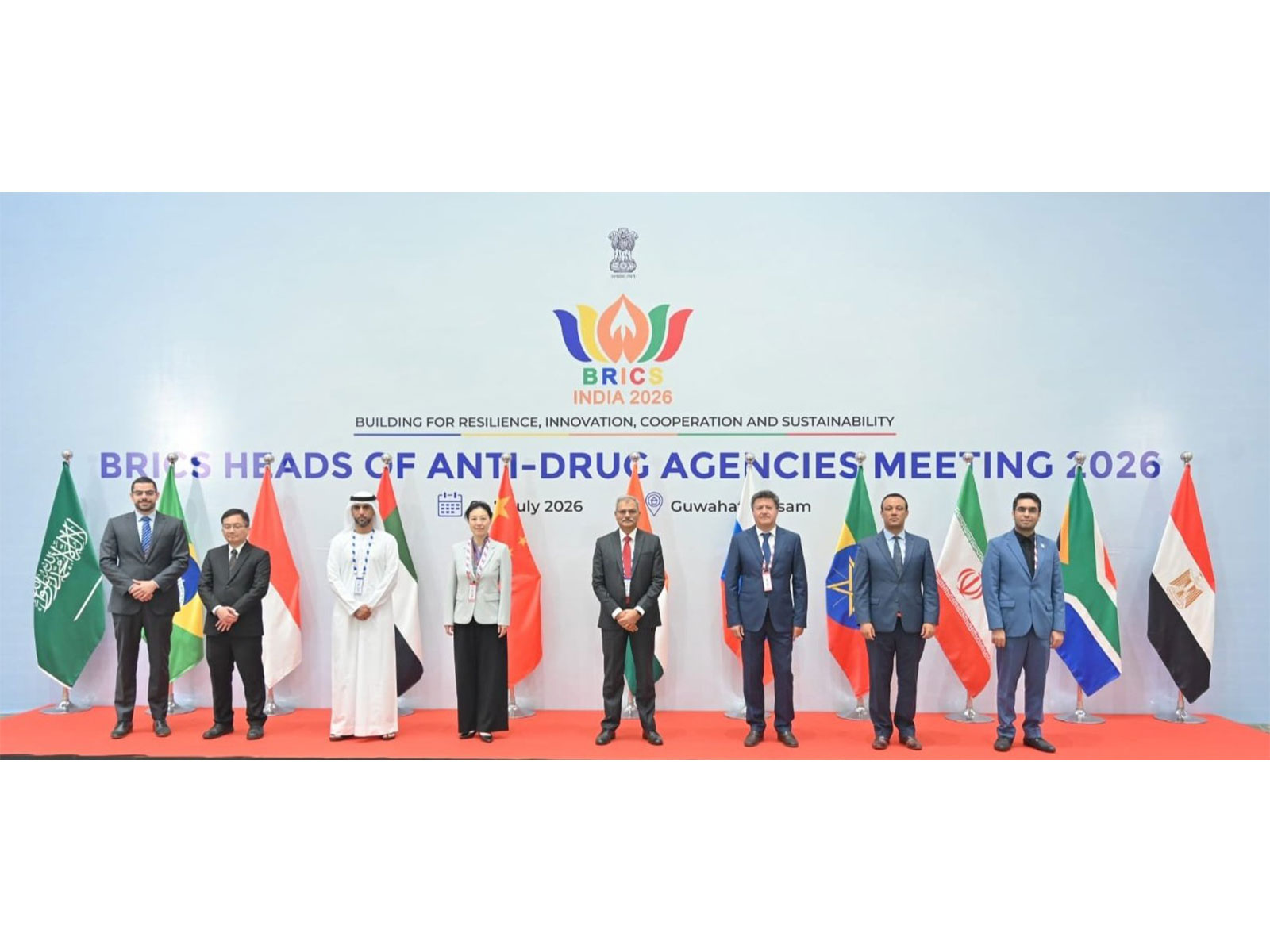
Concluding the two-day BRICS Heads of Anti-Drug Agencies Meeting in Guwahati, Assam on Tuesday, the grouping nations adopted the Joint Declaration, underscoring the need to enhance the timely exchange of information, intelligence and best practices, consistent with national laws and international obligations.
The Declaration also emphasised the promotion of innovative technologies, digital tools and data-driven approaches to strengthen law enforcement and regulatory efforts against illicit drug trafficking.
The BRICS countries also expressed concern over the evolving nature of illicit drug trafficking, the proliferation of synthetic drugs and New Psychoactive Substances (NPS), the diversion of precursor chemicals, the misuse of emerging technologies and virtual assets and the exploitation of maritime routes and digital platforms by transnational criminal networks.
The member countries underlined the need to strengthen specialised initiatives for drug demand reduction, promote healthy lifestyles and safeguard those in vulnerable situations, particularly children and youth, through evidence-based, comprehensive and people-centred approaches.
During the high-level meeting, India called upon BRICS drug law enforcement agencies to build a partnership founded on speed, mutual trust and seamless real-time intelligence sharing that transcends borders and enables decisive action against transnational drug syndicates.
Leading the Indian delegation, Director General, Narcotics Control Bureau, Anurag Garg highlighted that, under the visionary leadership of Prime Minister Narendra Modi and Union Home Minister Amit Shah, India has adopted a Zero-Tolerance Policy against Drugs and a Three-Year Roadmap (2026-2029) based on a Network-Centric approach.
The strategy focuses on dismantling entire criminal networks, preventing drug abuse through mass awareness campaigns and strengthening treatment, de-addiction, and rehabilitation measures.
In his closing remarks, while highlighting the hyper-connected and jurisdiction-less nature of 21st-century drug trafficking, Garg observed that National Anti -Drug Agencies have to make a network to break these transnational drug trafficking networks.
He called upon the BRICS nations to carry forward the spirit of the Guwahati Declaration and work collectively towards the shared objective of a drug-free world and a safer, healthier global community for generations to come.
Garg, the DG NCB highlighted India's proposal of setting up a BRICS Virtual Working Group and enhanced cross-border training initiatives.
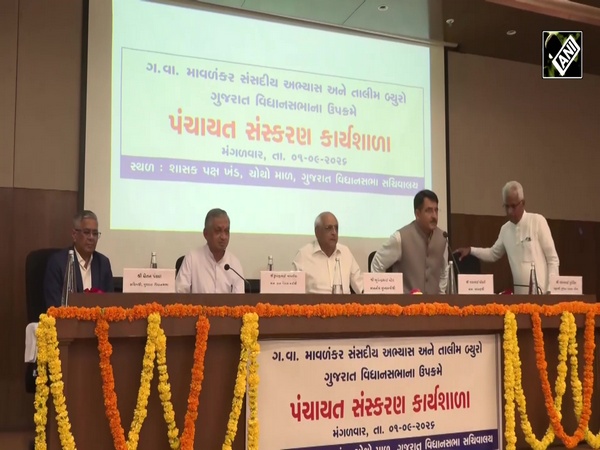
During the two-day meeting, the member nations deliberated on the prevailing drug situation in their respective countries and participated in thematic sessions focusing on pressing and emerging global challenges.
The discussions covered key issues, including leveraging digital technology for real-time drug interdiction, countering drug trafficking through the darknet, tackling the growing threat of New Psychoactive Substances (NPS), and reinforcing global supply chains against precursor diversion and chemical leakage.
India's BRICS Chairmanship in 2026 is guided by the overarching theme, "Building for Resilience, Innovation, Cooperation and Sustainability" and it brought together Brazil, China, Ethiopia, India, Indonesia, Iran, Russia and the United Arab Emirates in the meeting of BRICS Heads of Anti-Drug Agencies in Guwahati.