Budget smartphone makers turn to recycled memory as costs surge, Samsung relies on scale
Nov 12, 2026
Seoul [South Korea], November 12 : Rising memory costs are pushing budget smartphone manufacturers toward recycled memory chips, while Samsung Electronics relies on its production scale to maintain market share, according to a news report by The Korea Herald.
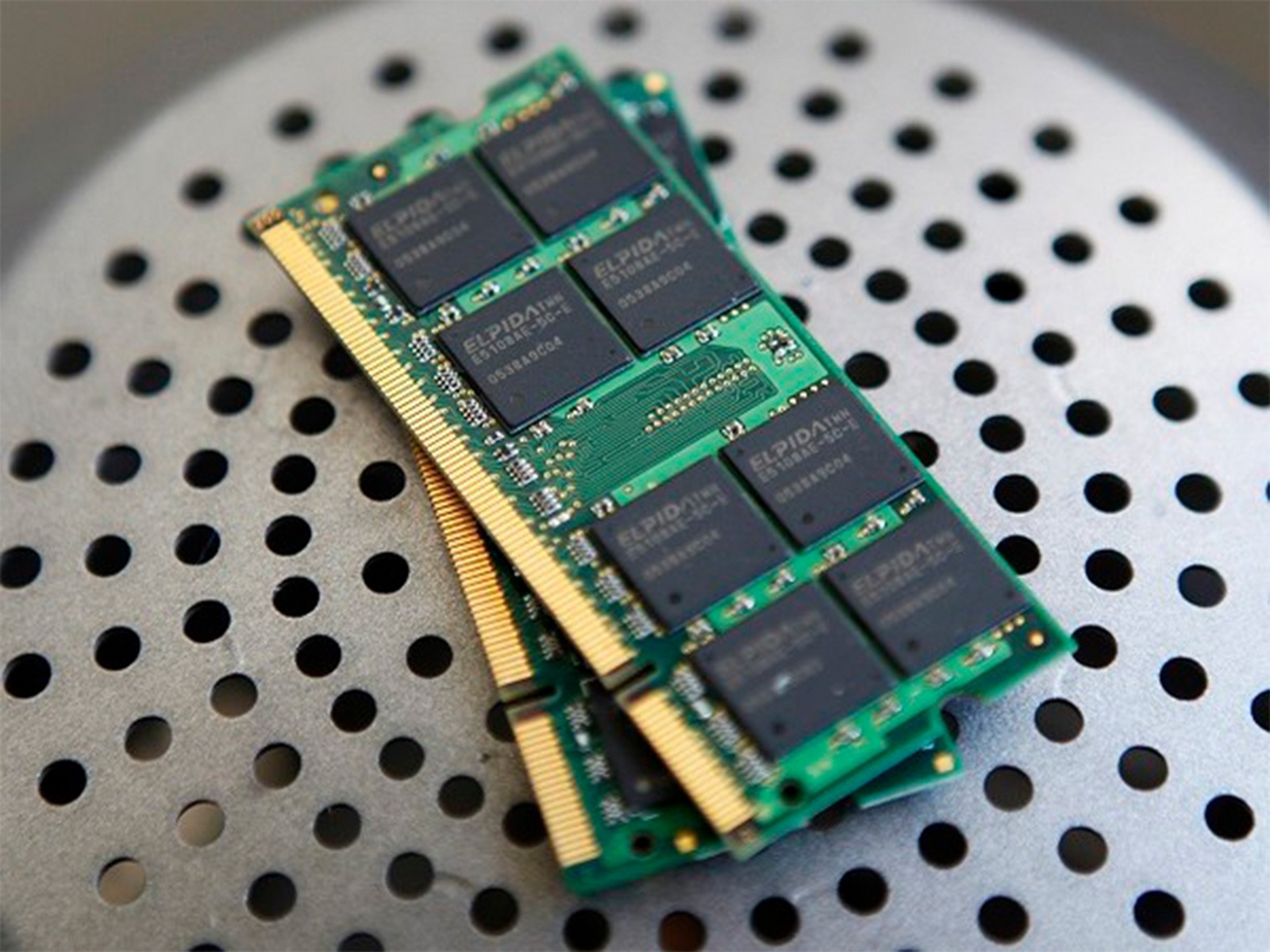
The news report stated that recycled, or "reballed," memory could be used in 7 to 9 per cent of smartphones shipped in 2027, up from an estimated 3 to 4 per cent this year. Most of these components are 4GB LPDDR4X chips, an older standard still common in entry-level phones. Some brands reportedly buy them through gray-market recycling channels and install them without telling buyers in basic 4G smartphones priced below 1,299 yuan (USD 190) in China.
Counterpoint Research analyst Jan Stryjak reported that combined working memory (DRAM) and storage (NAND) now make up as much as 54 per cent of component costs in ultra-low-end models, compared with just 20 per cent in the third quarter of 2025. As Samsung Electronics and SK hynix prioritize lucrative AI and server memory, they shift limited factory capacity away from legacy chips.
Recyclers mostly target DRAM rather than NAND storage, which wears out from heavy write cycles. An anonymous engineer at a South Korean semiconductor packaging and reliability-testing company noted that heating chips during reballing can cause microscopic cracks, and scrap chips lack a history of prior use.
"Just because a DRAM chip has been used for five years doesn't mean it only has five years left," the engineer told The Korea Herald.
"The problem is that you don't know what it's been through," he added.
The engineer explained that reliability testing requires checks for data retention at "high temperatures, voltage stability, memory errors and solder-joint integrity." However, extensive testing eats into cost savings.
"Saving a few dollars means little if you end up spending more on repairs and defective units," the news report quoted Hana Securities senior research analyst Kim Rok-ho.
Meanwhile, tier-one brands avoid used parts. Counterpoint reported that global smartphone shipments fell 20 per cent year-on-year in the third quarter, while Samsung's shipments declined just 3 per cent, lifting its global market share from 19 per cent in the third quarter of 2025 to 23 per cent a year later.
"Stable component supply supported the mid-range A series in emerging markets as some Chinese brands reduced their presence," Counterpoint analyst Shilpi Jain wrote in a report.
Omdia analyst Lucas Zhong warned about the consequences for competitors cutting production.
"Scaling back shipments to protect margins carries long-term risks," Zhong wrote, adding that manufacturers could lose market presence that "may take years to rebuild."
Samsung's latest earnings still show margin strain. Its semiconductor division posted a record 106.5 trillion won (USD 79.8 billion) in operating profit in the third quarter, while its mobile and networks businesses recorded a 600 billion won (USD 449.1 million) operating loss due to higher component costs.
"The semiconductor business could sell the same memory to outside customers at higher prices," Kim added. "Making your own chips doesn't make the cost pressure disappear. Samsung could accept lower margins to hold on to market share.”
"But keeping its distribution network and brand presence intact could put it in a better position when the market recovers," he said.