CBIC defends GST growth calculation method, says discontinued cess cannot stay in tax base
Sep 10, 2026
New Delhi [India], September 10 : The Central Board of Indirect Taxes and Customs (CBIC) on Wednesday defended the methodology used to calculate GST growth, saying the discontinued compensation cess cannot be retained in the comparison base and accusing attempts to combine different tax bases of being “misleading and mischievous”.
The clarification came in response to a claim that the government's reported GST growth for August and the first five months of the financial year was overstated by excluding compensation cess from the 2025-26 base.
CBIC said the GST Council had decided to discontinue compensation cess from September 22, 2025, for all items except tobacco and related products, while the cess on tobacco and related products was also removed from February 1, 2026. “Accordingly, from the above period, there is No cess collection,” it said.
The board said GST revenue figures published in the public domain have, since November 2025, separately disclosed compensation cess in a table, while year-on-year growth has been calculated using CGST, SGST and IGST for the corresponding periods.
“A growth rate is meaningful only when it is computed on a comparable basis, that is, on the same set of levies on both sides of the comparison,” CBIC said, adding that otherwise it was “like comparing apples and oranges”.
CBIC said the purpose of a growth rate was to show how the underlying tax base had moved and that the monthly GST revenue figures provide the correct picture of GST revenue performance with full disclosure.
“Where a levy has ceased to exist in law, retaining it in the base measures something else altogether. It is neither arithmetically right nor makes any logical sense,” the board said.
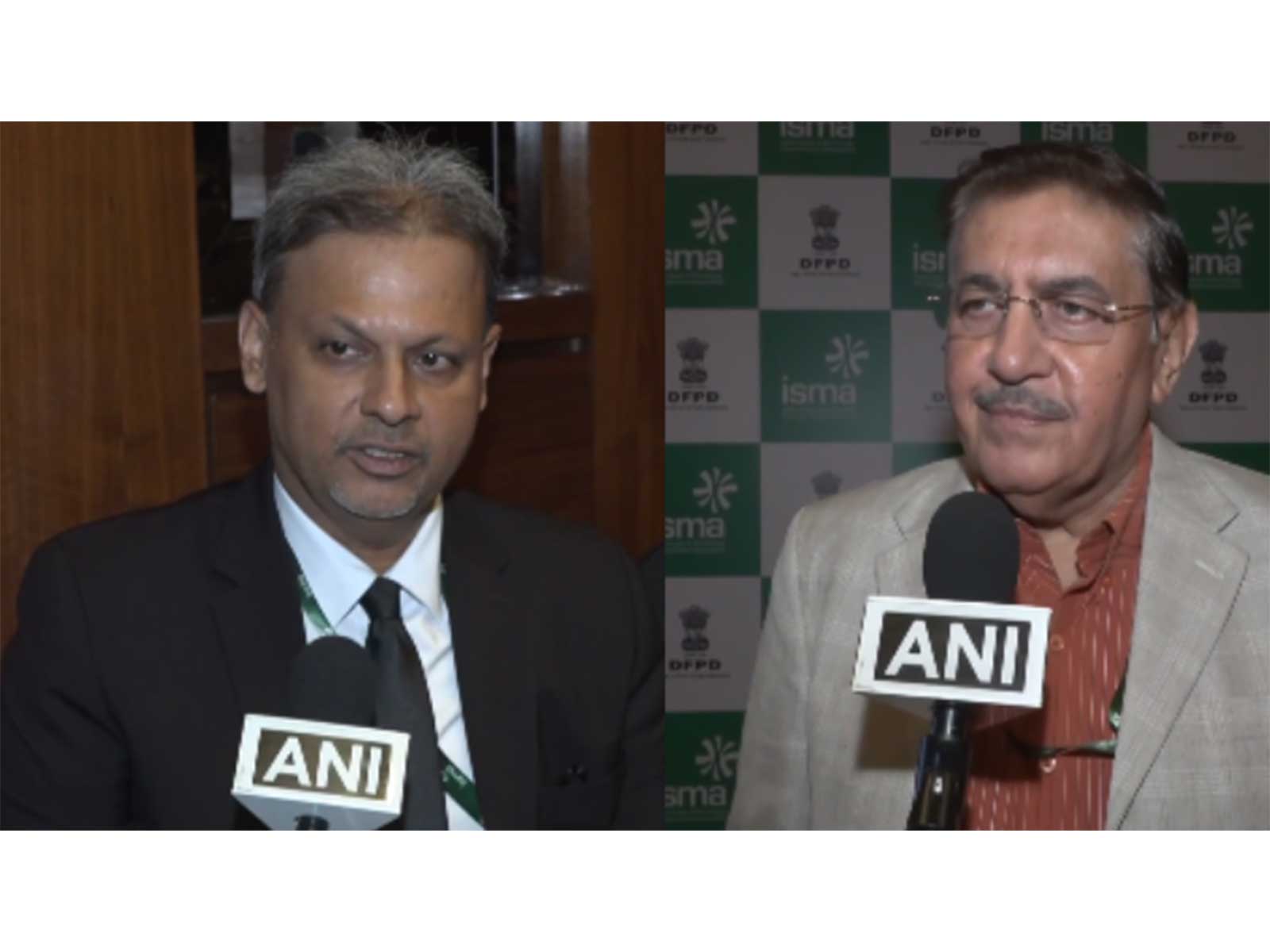
The response came after former Finance Secretary Subhash Chandra Garg said in a post on X that gross GST of Rs 2 trillion had led the government to report 14.8 per cent growth in August and 11 per cent growth over five months. Garg alleged that including the previous year's compensation cess would bring five-month gross GST growth down to 4.08 per cent and net growth to 1.30 per cent.
CBIC rejected such comparisons, saying figures from two different tax bases should not be combined.
“Any attempt to cherry-pick figures from two different tax bases is thoroughly misleading and mischievous,” it said.
The board stressed that future assessments of GST performance should compare like with like, using the same set of applicable levies for both periods.