Centre set to introduce strict anti-paper leak amendments in Lok Sabha on Monday
Jul 25, 2026
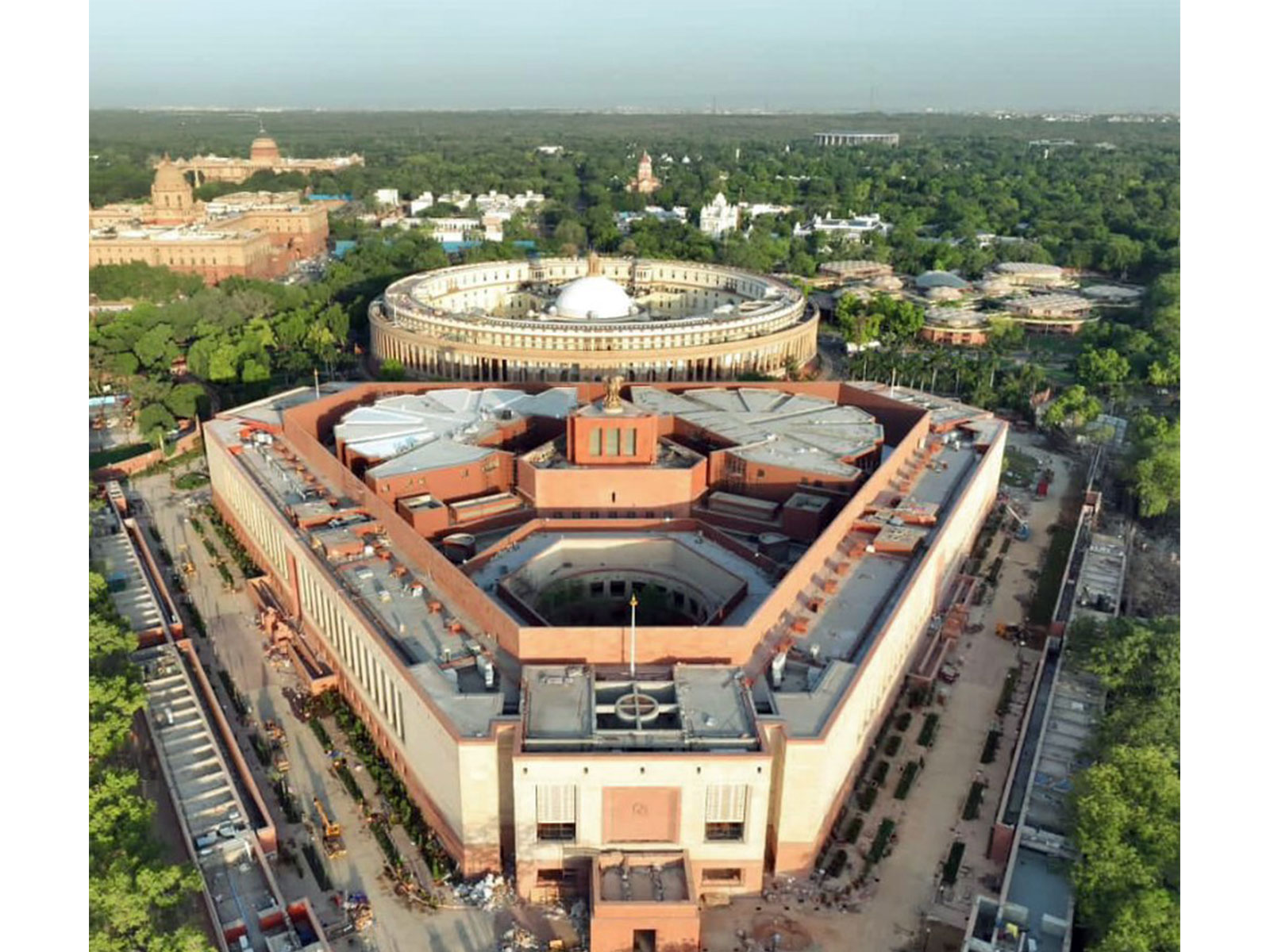
New Delhi [India], July 25 : Against the backdrop of high-voltage political drama, nationwide protests, and the recent resignation of Union Education Minister Dharmendra Pradhan, the Central Government is set to introduce the Public Examinations (Prevention of Unfair Means) Amendment Bill, 2026, in the Lok Sabha on Monday.
Union Minister of State for Personnel, Public Grievances and Pensions Dr. Jitendra Singh will move for leave to introduce the legislation. The Bill introduces seven key amendments designed to plug enforcement loopholes, establish dedicated judicial mechanisms, and accelerate criminal trials following widespread irregularities in the NEET-UG 2026 examination.
The legislative push comes after a complete washout of the ongoing Monsoon session of Parliament, which commenced on July 20, as opposition parties and student groups maintained unrelenting pressure on the Centre over paper leaks.
The proposed legislation seeks to significantly overhaul the original 2024 framework by instituting strict time bounds for both investigations and judicial proceedings.
State Governments and Union Territory Administrations will be empowered to designate Courts of Session as Special Fast Track Courts dedicated exclusively to trying offences under the Act.
Proceedings in Special Fast-Track Courts must be conducted on a day-to-day basis, with trials mandated to conclude within three months from the date the chargesheet is filed.
The Centre retains the authority to constitute a dedicated Special Task Force to handle high-stakes or cross-state examination fraud. Investigations into offences under the Act must be completed within two months to prevent procedural delays.
State Governments and UT Administrations will be authorised to appoint specialised legal counsel specifically for prosecuting examination malpractices.
Enhanced terms of imprisonment and heavier financial penalties for individuals, coaching centres, and service providers found guilty of organised paper leaks.
The introduction of the amendment bill follows weeks of intense turmoil in the Capital. A 37-day-long demonstration spearheaded by the Cockroach Janata Party (CJP) alongside activist Sonam Wangchuk culminated in the resignation of Education Minister Dharmendra Pradhan and a series of high-level negotiations with Union Ministers JP Nadda and Jitendra Singh.
While the CJP announced the formal withdrawal of its sit-in at Jantar Mantar "in good faith" after reaching an understanding with the Centre, all eyes now turn to Parliament.
The passage of the 2026 Amendment Bill will serve as a crucial test for the Centre as it attempts to restore institutional credibility, safeguard the future of competitive exam aspirants, and rebuild public trust in national testing agencies.