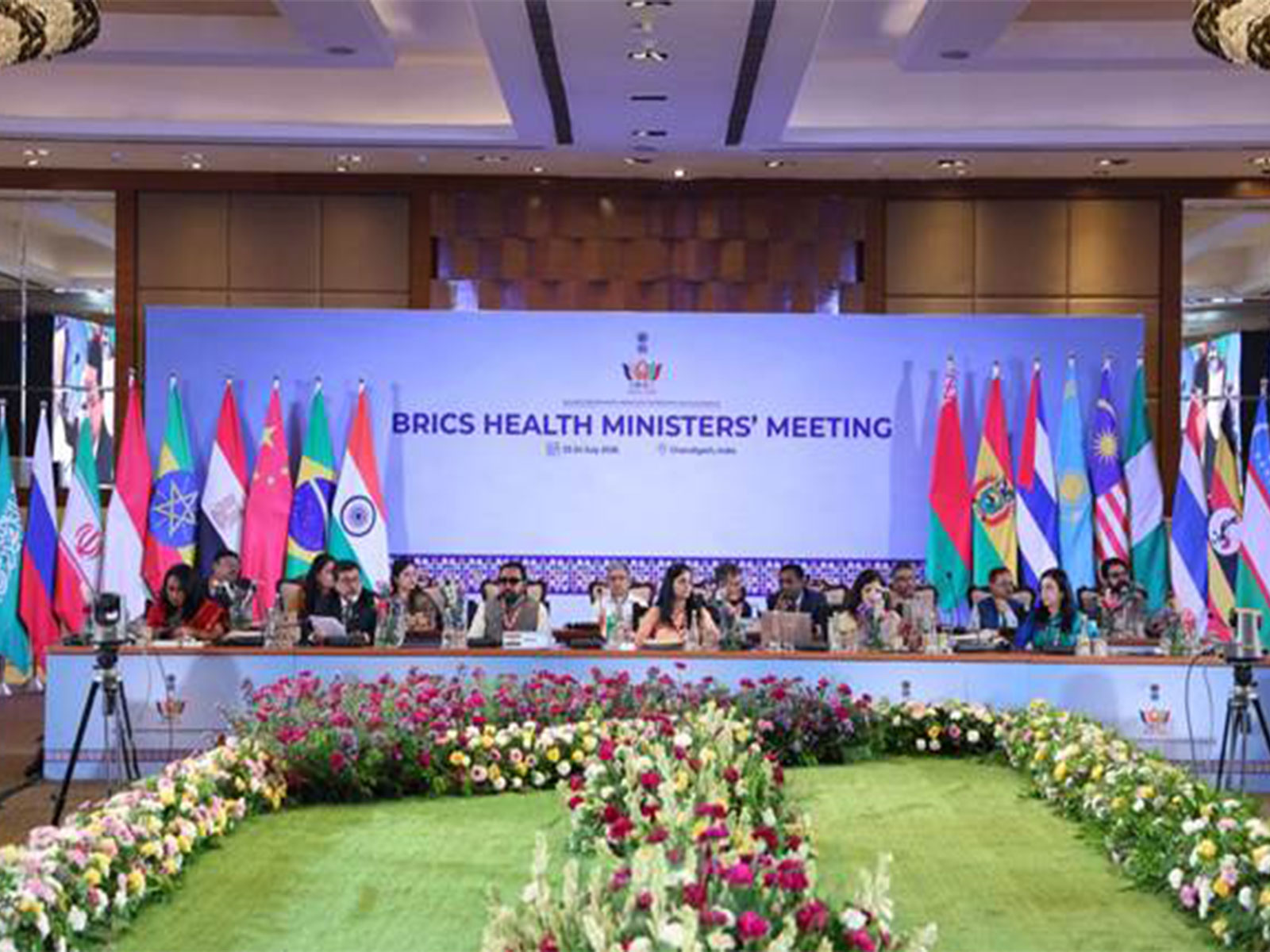
Chandigarh: 16th BRICS Health Ministers' meeting concludes under India's chairship
Jul 23, 2026
Chandigarh (Punjab) [India], July 23 : The 16th BRICS Health Ministers' Meeting concluded successfully in Chandigarh on Thursday under India's BRICS Chairship 2026, with member countries reaffirming their commitment to strengthening health systems, pandemic preparedness, digital health and Universal Health Coverage.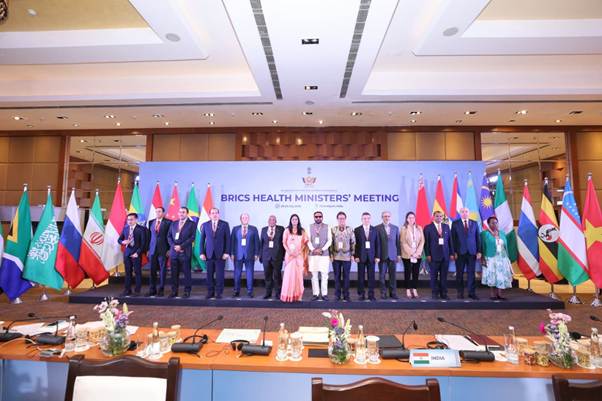
The meeting brought together Health Ministers, Heads of Delegation, senior officials and public health experts from BRICS member countries to deliberate on shared public health priorities and ways to advance a resilient and equitable global health architecture.
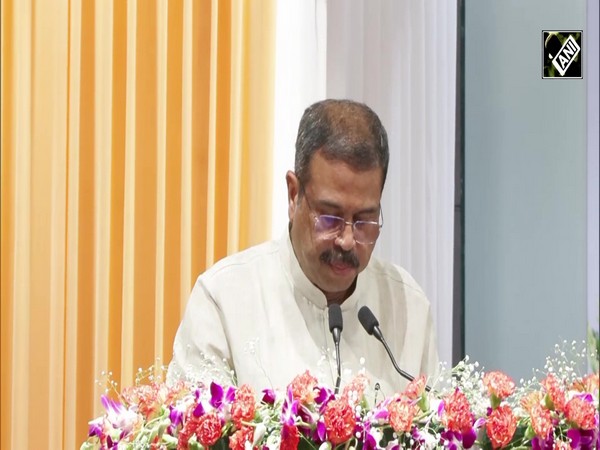
Addressing the meeting virtually, Union Health Minister Jagat Prakash Nadda welcomed the Health Ministers and delegates and said the active participation of member countries reflected the enduring strength of BRICS as a platform for cooperation among the Global South.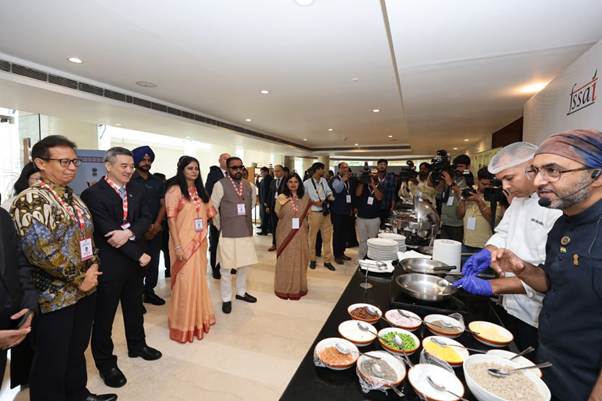
Nadda said that under the leadership of Prime Minister Narendra Modi, India has undertaken transformative reforms to strengthen its healthcare system through people-centric policies, expanded access to healthcare, digital public infrastructure and enhanced service delivery.
Highlighting India's BRICS Chairship theme, "Building for Resilience, Innovation, Cooperation and Sustainability," Nadda stressed the need to build resilient health systems capable of anticipating and responding effectively to emerging public health challenges.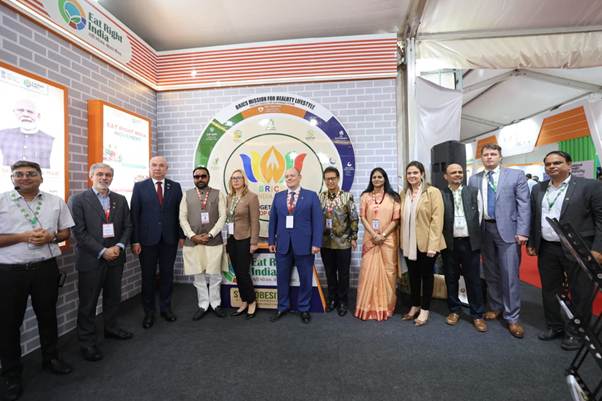
He highlighted India's health priorities under its BRICS Chairship, including strengthening the BRICS TB Research Network, enhancing cooperation among Medical Products Regulatory Authorities and improving preparedness against future health emergencies.
The Minister welcomed the establishment of the Sub-Working Group on the BRICS Integrated Early Warning System for Prevention and Response to Mass Infectious Diseases and the adoption of its Terms of Reference.
The meeting also focused on the transformative role of digital technologies in healthcare. Nadda highlighted India's experience with the Ayushman Bharat Digital Mission, Ayushman Arogya Mandirs and the E-Sanjeevani telemedicine platform.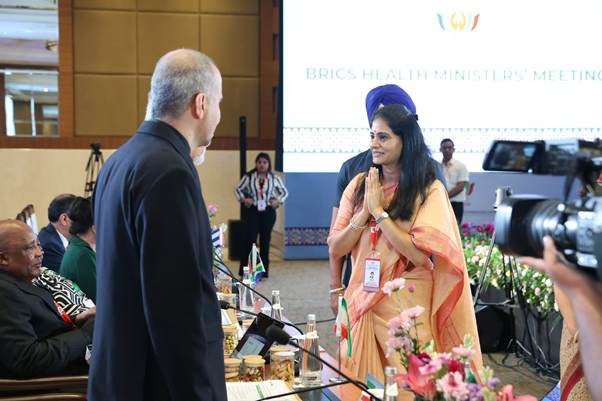
The Ministers welcomed the release of the BRICS Compendium on Digital Health Architecture for Continuum of Care, including access to healthcare in remote areas, as a resource for cooperation and exchange of best practices.
Recognising the growing burden of lifestyle-related and non-communicable diseases, the meeting also welcomed the launch of the BRICS Mission for Healthy Lifestyle and the BRICS Roadmap for Joint Initiative on Healthy Lifestyle Promotion (2026-2029).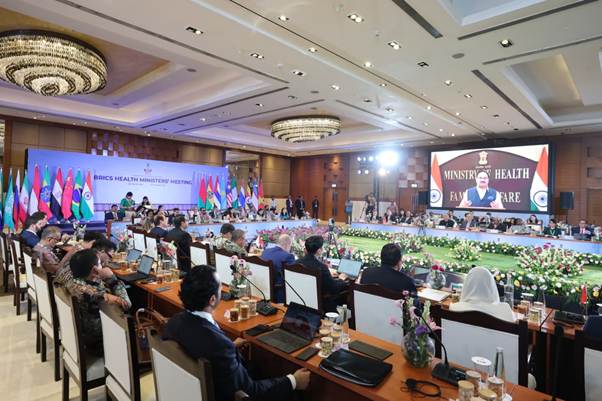
Nadda announced the establishment of the BRICS Network of Centres of Excellence on Mental Wellness, to be coordinated by NIMHANS, as an institutional initiative to strengthen research and promote mental well-being across member countries.
The Ministers also endorsed the Operational Framework to Fight Diseases Driven by Social Determinants of Health and the Operational Framework for the BRICS Network of National Public Health Institutes.
The meeting reaffirmed the importance of promoting Traditional, Complementary and Integrative Medicine through evidence generation, collaborative research and knowledge exchange. Member countries also welcomed the proposed establishment of the BRICS Expert Working Group on TCIM.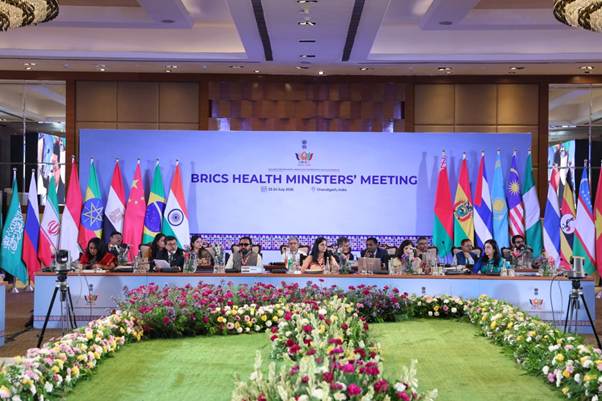
The delegations further welcomed continued cooperation in BRICS Nuclear Medicine and reaffirmed support for the BRICS Vaccine Research and Development Centre to strengthen collaborative research and improve equitable access to vaccines.
A major outcome of the meeting was the unanimous adoption of the 16th BRICS Health Ministerial Declaration, reflecting the shared commitment to deepen health cooperation and strengthen resilient, equitable and people-centric health systems.
The declaration reaffirmed the commitment of member countries to advancing Universal Health Coverage, strengthening pandemic prevention, preparedness and response, promoting digital health, enhancing regulatory cooperation, expanding collaborative research and combating communicable and non-communicable diseases.
It also underlined the importance of promoting mental health and healthy lifestyles, strengthening traditional medicine and ensuring equitable access to affordable medicines, vaccines, diagnostics and medical technologies.
During the meeting, Health Ministers and Heads of Delegation delivered national statements highlighting their respective public health priorities, achievements and policy initiatives.
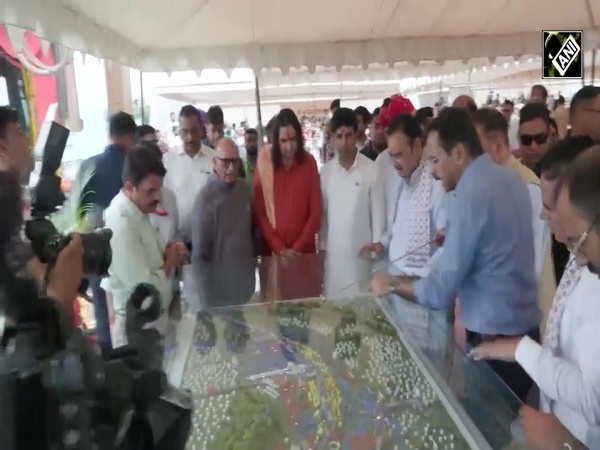
The delegates also visited the FSSAI, NHA and Ministry of AYUSH exhibition pavilions, including an FSSAI live millet session under the Eat Right India initiative, showcasing India's initiatives in digital health, traditional medicine, food safety and healthy lifestyles.
Member countries welcomed India's leadership in advancing the BRICS Health Track and appreciated the focus on nine priority areas identified under its chairship.
Concluding his address, Nadda described the 16th BRICS Health Ministerial Declaration as more than a consensus document, saying it establishes enduring institutional mechanisms that will deepen collaboration among BRICS countries in the years ahead.
Invoking the philosophy of "Vasudhaiva Kutumbakam" or "The World is One Family", Nadda called upon BRICS nations to continue working together in the spirit of solidarity, partnership and shared responsibility to build a healthier future for all.