"Child needs everything": UNICEF India chief McCaffrey lauds Chhattisgarh's focus on child welfare
Jul 22, 2026
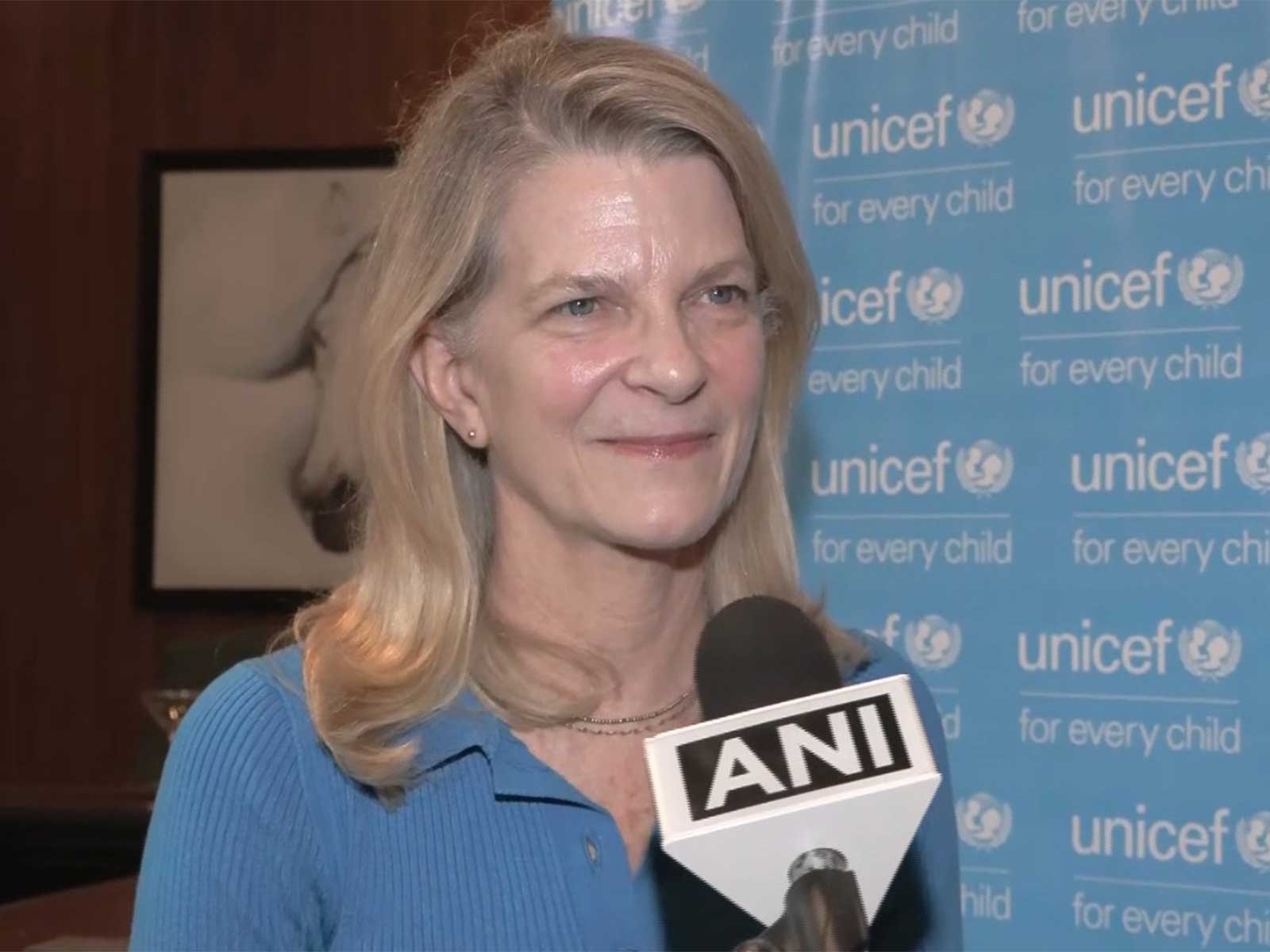
Raipur (Chhattisgarh) [India], July 22 : UNICEF Representative to India Cynthia McCaffrey said the organisation will continue working with the Chhattisgarh government to ensure every child has access to quality health, nutrition, education, water, sanitation and protection services, while praising the state's commitment to investing in children's well-being.
Speaking to ANI during her visit to Chhattisgarh, McCaffrey said her trip had two key objectives, i.e., marking 20 years of UNICEF's presence in the state and understanding the opportunities under the Bastar Anjore initiative.
"So, my two key objectives were first to come to Chhattisgarh, which is a very proud part of UNICEF India's history. We have been here this year for 20 years. And so to be able to be here and to speak with partners as well as my team here in India, in Chhattisgarh, about the 20-year history. And second, to see the incredible opportunity with Bastar Anjore and to see the investment that the government and the ecosystem are making in Bastar," she said.
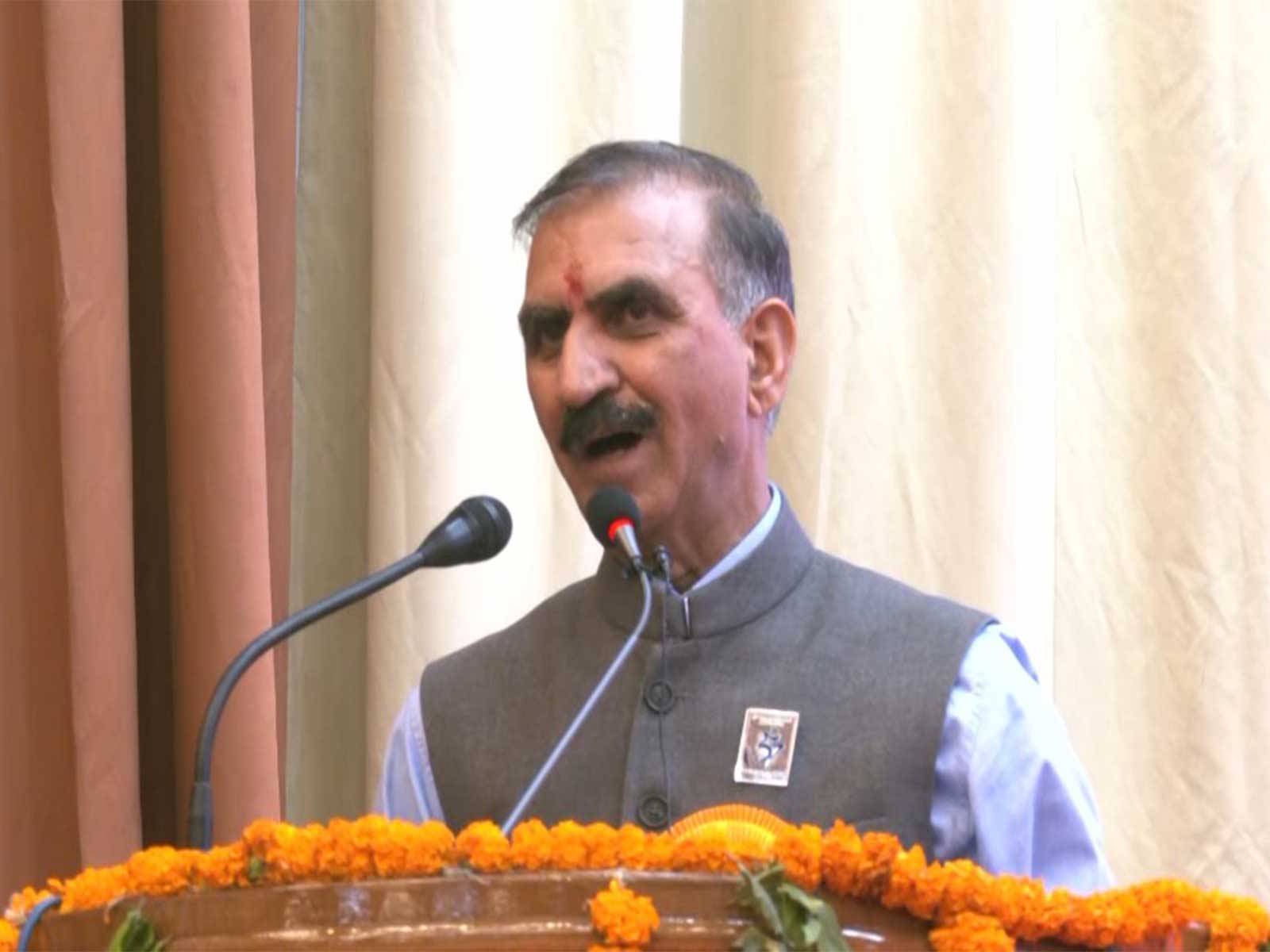
Referring to her meeting with Chief Minister Vishnu Deo Sai and other senior officials, McCaffrey said she was encouraged by the state's focus on improving the lives of vulnerable children and families.
"It was such an honour to meet with the Honourable Chief Minister and to hear about his vision for Bastar Anjore and his investment in children. And very specifically speaking with him and his team, speaking with the Speaker, is a commitment to invest in Chhattisgarh's children, particularly those in the most vulnerable situations, the most vulnerable families, with a focus on improving the fundamentals - improving maternal health, improving infant health, and improving nutrition," she said.
On UNICEF's role in Bastar, McCaffrey said the organisation would continue supporting the government's efforts to ensure quality services reach every child.
"So with Bastar Anjore, is where and how can we support their mission, their commitment in investing in the well-being of every child. And so that includes with our reach to Bastar is not just access, but working together with the government and with partners there to identify how do we make sure we reach every child with quality services," she said.
Addressing concerns over maternal and infant mortality, malnutrition and sickle cell disease, she stressed the importance of strengthening frontline services and improving awareness.
"There's a genuine commitment to investing in the well-being of children. And that means how do you have strengthening of services, strengthening of skills for those frontline workers. And that's what UNICEF is here to both offer as well as to learn with and from the government to make sure as we reach communities that we're reaching them with the services that help reduce maternal mortality and improve a mother's health, that helps reduce infant mortality and increase a child's health," she said.
Highlighting UNICEF's approach to child development, McCaffrey said, "UNICEF is a strong believer, and this is our message always, is that we look at the whole child. A child needs everything. No matter where she was born or no matter what his dreams are."
She added, "A child needs to have access to quality health, quality nutrition, quality water and sanitation, education and protection. It takes everything so that a child can grow up healthy, nutritious to learn, and ready to play and to contribute to Viksit Chhattisgarh and be ready to contribute to Viksit Bharat."
Summing up her visit, McCaffrey said the hospitality of the people and the resilience of local communities left a lasting impression on her.
"My takeaway is twofold. One is the hospitality of the state of Chhattisgarh. I had an extremely warm welcome. And the second is the resilience. I got a chance to visit Bilaspur, and I saw there how communities, local leaders, how they are building volunteer networks in order to share knowledge, information, and guidance on how to access services for their communities when they just need information or also when they may need help," she said.