China's repression draws global scrutiny as Uyghur advocates warn of transnational pressure
Aug 30, 2026
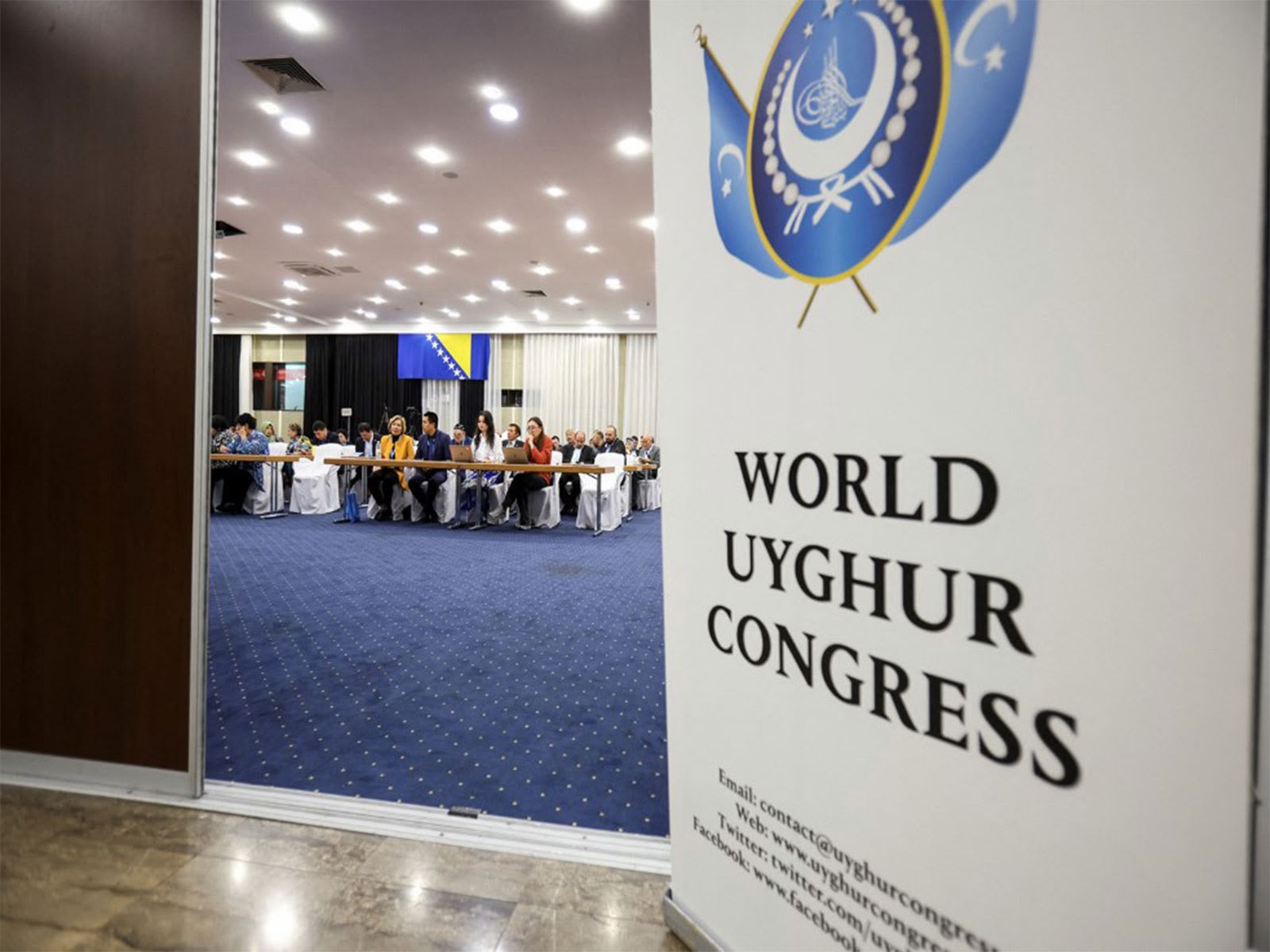
Munich [Germany], August 30 : The World Uyghur Congress (WUC) has released its weekly brief highlighting growing international concern over China's repression of Uyghurs and other Turkic Muslim communities.
A Uyghur delegation comprising WUC President Turgunjan Alawdun, Campaign for Uyghurs Executive Director Rushan Abbas, Uyghur Centre for Democracy and Human Rights President Dolkun Isa, Uyghur Academy President Dr Rishat Abbas and Uyghur Study Executive Director Abdulhakim Idris visited Buenos Aires for meetings with diplomats, civil society organisations and other stakeholders.
On August 23, the delegation attended the 2026 Graciela Fernandez Meijide Award ceremony organised by the Center for the Opening and Development of Latin America (CADAL). The delegation accepted the award on behalf of Uyghur writer Yalqun Rozi, who was sentenced in China to 15 years in prison in January 2018.
The delegation subsequently participated in a CADAL conference. According to the WUC, pressure from the Chinese embassy on the original venue resulted in a last-minute change of location, which the organisation described as another example of China's alleged transnational repression.
WUC President Alawdun and the president of the Uyghur Centre for Democracy and Human Rights also addressed international relations students at the Universidad del Sur de Buenos Aires.
Meanwhile, Human Rights Watch on August 27 criticised what it described as a decade of impunity surrounding China's severe repression of Uyghurs and other Turkic Muslims. The organisation said arbitrary detention, imprisonment, surveillance and cultural repression continue despite Beijing's efforts to portray Xinjiang as stable and normal. It also highlighted alleged state-imposed forced labour affecting international supply chains, including the automotive, solar energy and seafood sectors.
HRW called on governments to strengthen forced-labour import restrictions, impose targeted sanctions on officials responsible for abuses and respond more firmly to alleged Chinese transnational repression.
Separately, Turkmen and Xinjiang authorities discussed expanding agricultural cooperation in Baku on August 26. The talks reportedly covered modern agricultural technologies, new projects, and cotton production and processing.