China’s repression of Uyghurs raises global human rights, security concerns
Oct 25, 2026
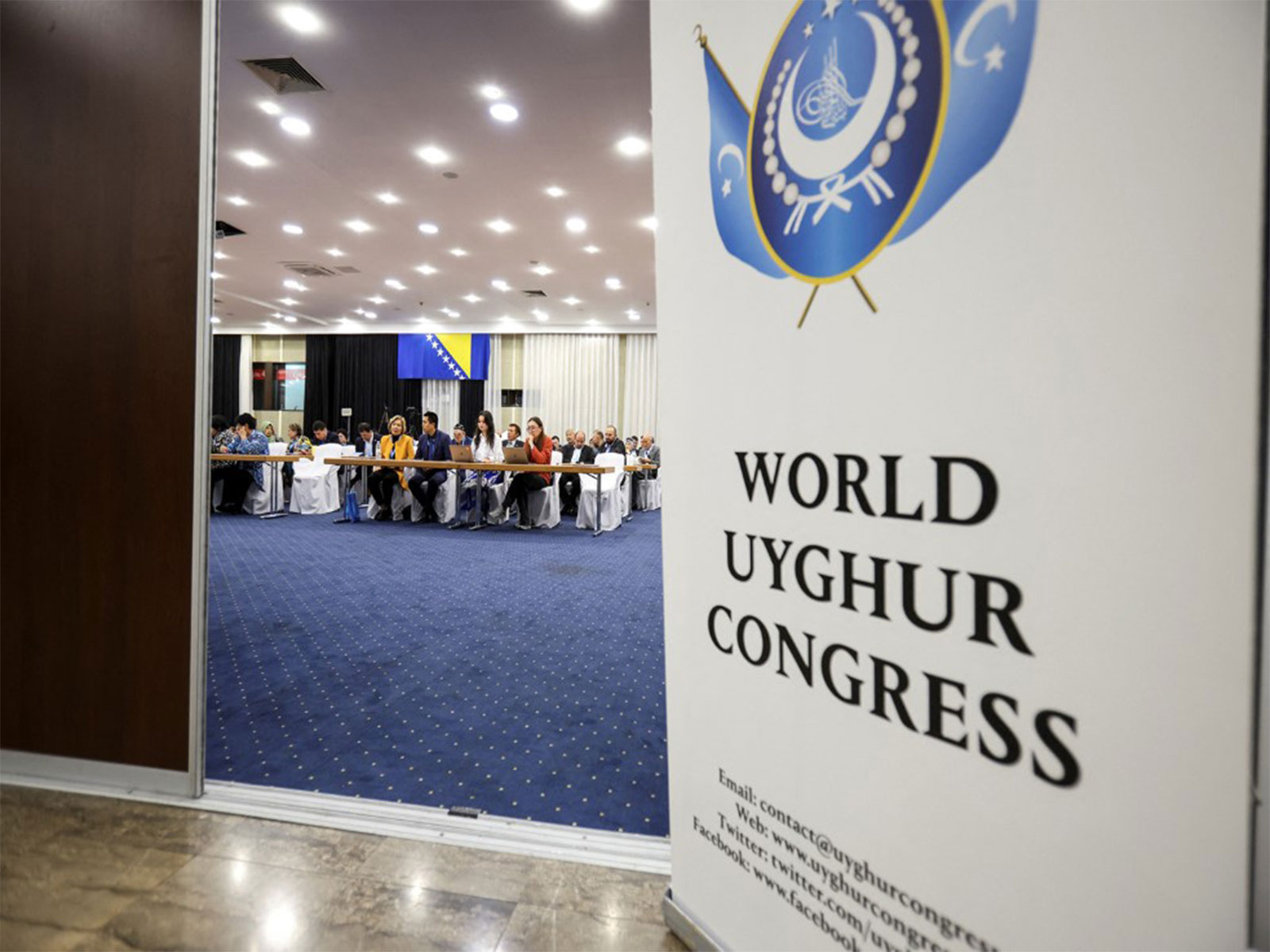
Munich [Germany], October 25 The World Uyghur Congress (WUC) has released its weekly brief highlighting growing international concerns over China’s treatment of Uyghurs in East Turkistan.
In an interview with Polish broadcaster TVP World, World Uyghur Democratic Movement (UZDM) President Dolkun Isa discussed the worsening human rights situation in East Turkistan, his personal experiences as an activist and the consequences of his longstanding campaign for Uyghur rights.
He also drew attention to the difficulties faced by Uyghur refugees seeking protection overseas. Isa stated that intimidation and harassment targeting Uyghurs extend beyond China’s borders, with activists remaining vulnerable even in democratic countries such as Germany. He urged European governments and other nations to strengthen protections for at-risk individuals and ensure accountability for those responsible for transnational repression.
In a separate development, Network for Uyghur Rights (NUR) Co-Executive Directors Zubayra Shamseden and Peter Irwin published an analysis on October 21 titled The Global Cost of Ignoring Xinjiang. The report examined how continued international inaction could have consequences extending beyond the Uyghur community.
It highlighted concerns over imprisonment, surveillance, forced labour and assimilation policies, alongside China’s expanding industrial and strategic activities in the region.
The analysis pointed to East Turkistan’s importance in coal production, global solar supply chains and China’s nuclear infrastructure. It warned that expanding coal activities could undermine climate objectives, while forced labour allegations raise serious questions about the sourcing of goods entering international markets.
The authors also expressed concern over nuclear infrastructure development at Lop Nur, citing potential environmental and security implications alongside the lack of meaningful local participation and accountability.
Meanwhile, an article published by Asiye Uyghur on October 21 examined allegations of forced labour in East Turkistan’s expanding salmon industry. Titled Salmons and Uyghur Labour: Traceable Fish, Unanswered Questions, it challenged Chinese-language reports that cited rising wages, technological progress and product traceability as evidence of the industry’s development.