"China's tentacles everywhere; middle power countries must work together to counter': Former Tibetan Sikyong Lobsang Sangay
May 27, 2026
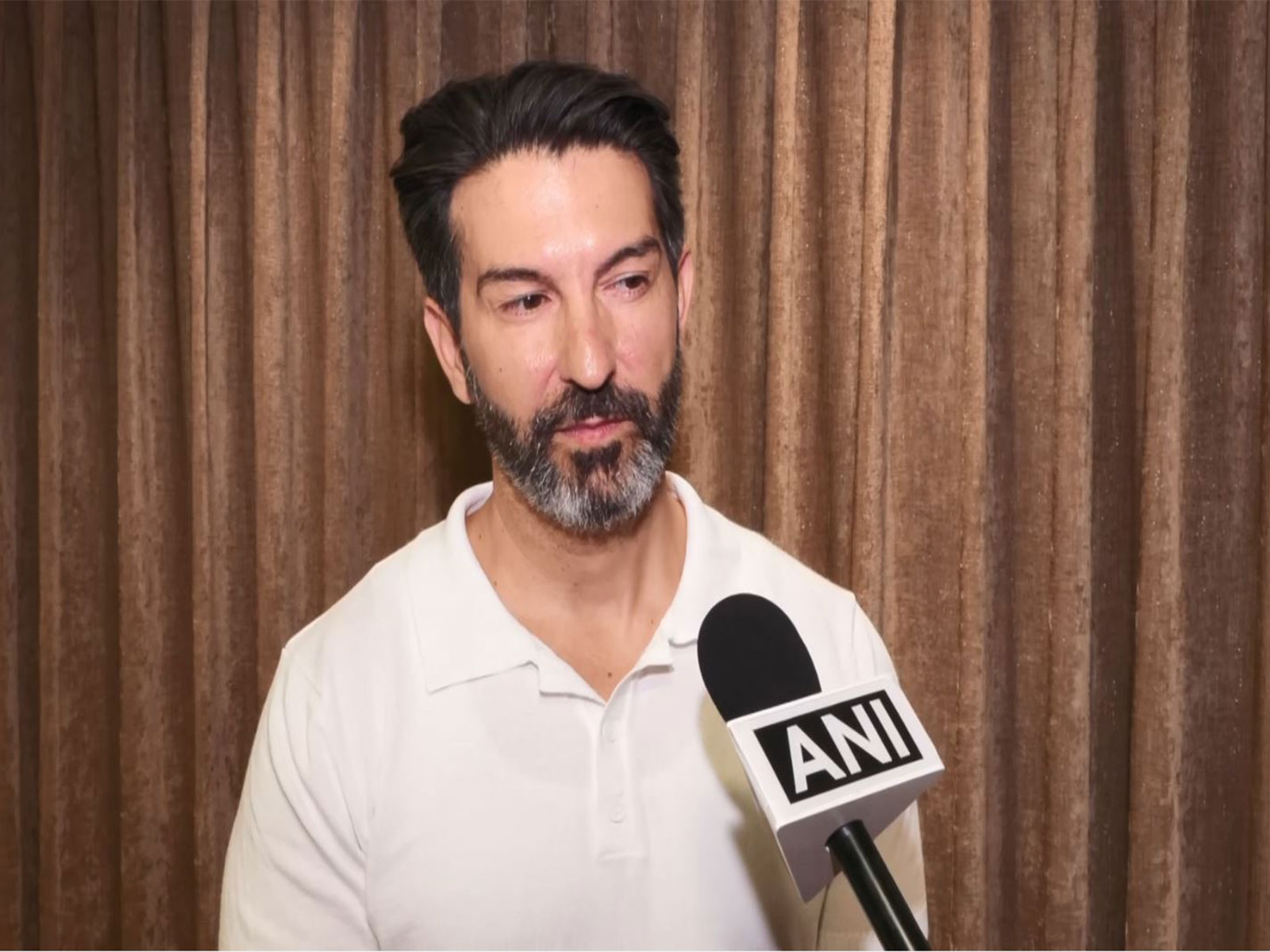
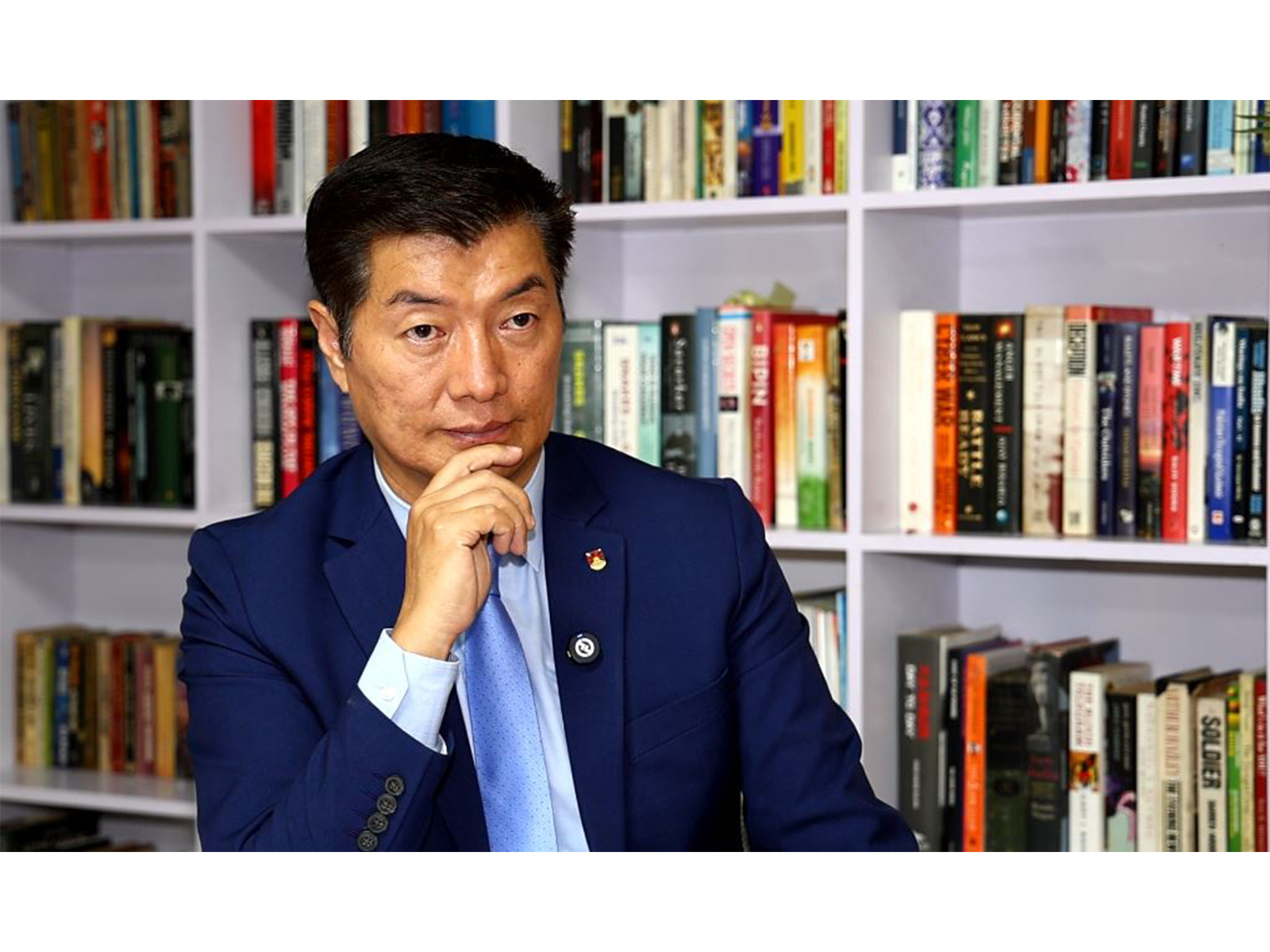
New Delhi [India], May 27 : Former Sikyong of the Central Tibetan Administration, Lobsang Sangay, has described the recently concluded Quad Foreign Ministers' Meeting as "very significant," saying it reflects a shifting geopolitical alignment driven by concerns over China's expanding global footprint.
In an exclusive interview with ANI, he termed the recently concluded Quad Foreign Ministers Meeting "very significant" and said that it reflects a geopolitical reality where "There is a new alignment going on, given the reality of China's expansionist policy'.
Sangay noted how the high-level interactions Rubio held in India reflect the importance the United States accords to India. He recalled how he had met Rubio several times over the course of the years and added, "He (Rubio) is quite strong on China".
Sangay also cited academic work, including a Harvard Belfer Center study on middle powers that identifies 13 countries--including India--as key actors in shaping global stability. He said such assessments reinforce the need for democratic countries to coordinate more closely.
"All the democracies should align and build a value-based relationship," he said.
Arguing for deeper strategic cooperation, Sangay warned of China's growing global reach, alleging that Beijing has been expanding its influence through technological and security infrastructure.
"China is penetrating--it has exported its surveillance system to 115 countries... Their tentacles are everywhere," he said.
He further urged the United States and other democracies to strengthen partnerships with what he described as "value-based middle powers," arguing that coordinated action is necessary to counterbalance China's expanding geopolitical presence.
"The value-based middle powers, including the US, should have an alliance and work together".
On the future of Tibet, Sangay said that the middle way approach is the policy to arrive at a solution with dialogue.
"If China does not repress and discriminate Tibetans, we will seek genuine autonomy, within China. We will not seek seperation. That is the compromise. Unfortunately, the Chinese Government does not reciprocate in kind and they do not have a habit of giving, but of taking", Sangay said.
He cited China's expansionist claims to territories in India, Nepal, Bhutan, South and East China seas.
He reiterated, "Our policy remains--through dialogue and non-violently, we want to address the issue of Tibet".