"Congress never apologised for Emergency, in same mindset": JD(U) MP Sanjay Kumar Jha
Jun 25, 2026
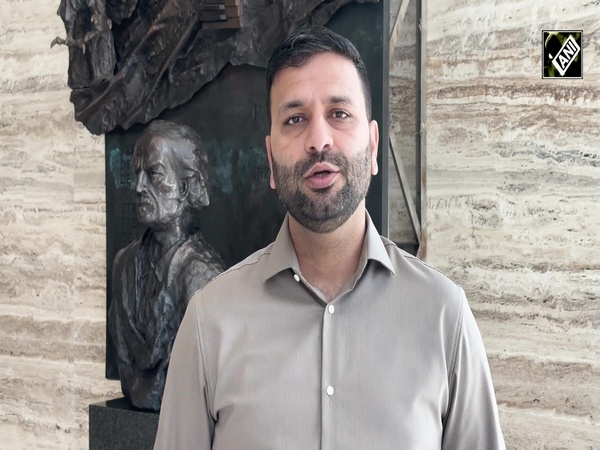
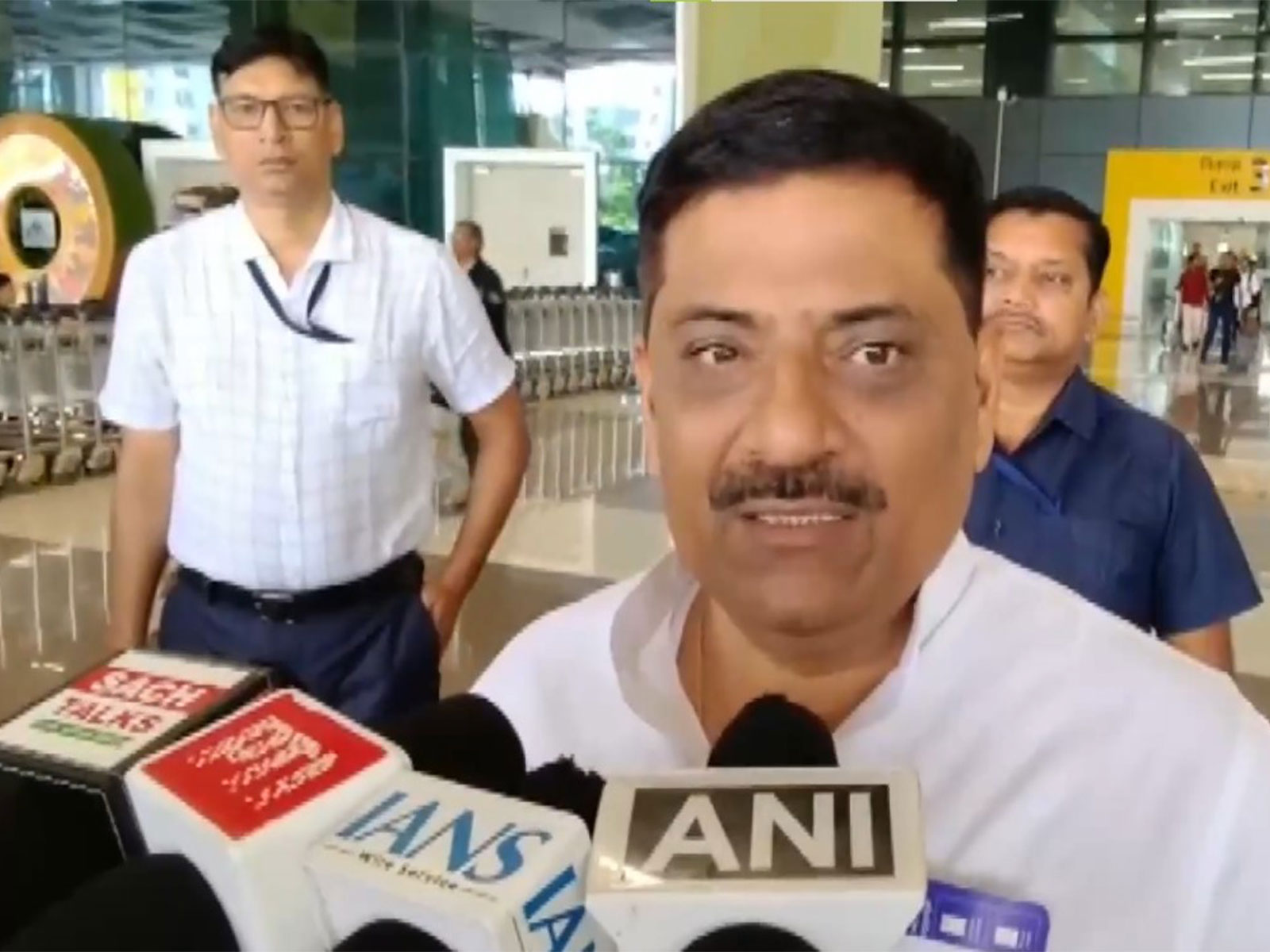
Patna (Bihar) [India], June 25 : JD(U) MP and National Working President Janata Dal (United) Sanjay Kumar Jha on Thursday said the Emergency was the darkest chapter in Indian democracy, highlighting the imprisonment of opposition leaders and journalists and curbs on press freedom.
He said Congress has never apologised, recalling the JP Movement and Nitish Kumar's two-year imprisonment, and asserted that the government under Prime Minister Narendra Modi is committed to the Constitution.
Speaking to the reporters, Jha said, "Emergency period was the darkest day in Indian democracy, during which opposition leaders and journalists were imprisoned, and freedom of the press was severely curtailed. Jayaprakash Narayan led a JP Movement, and even our leader Nitish Kumar was imprisoned for 2 years. Despite this, the Congress party has never apologised for the Emergency, and they are in the same mindset. The current government under PM Narendra Modi is committed to the constitution."
Earlier, Union Ministers and senior leaders launched a strong attack on the 1975 Emergency, describing it as a "dark chapter" in India's democratic history and a period marked by the suppression of constitutional rights, civil liberties, and freedom of expression.
Union Minister Kiren Rijiju, in a post on X, termed June 25, 1975, as a "dark chapter of Indian democracy," saying the Emergency was imposed "in the greed for power."
"25 June 1975 - That dark chapter of Indian democracy, when, in the greed for power, the Emergency was imposed on the country, suppressing the fundamental spirit of the Constitution, democratic rights, and the freedom of expression. Even in such difficult circumstances, those young people of the country, journalists, and opposition leaders who kept their voices raised and fearlessly fought to protect democracy and the Constitution. My humble tribute to such great soldiers of democracy," Rijju wrote on X.
Union Agriculture and Farmers Welfare Minister Shivraj Singh Chouhan also referred to the Emergency as a "dark night," said that democracy was "throttled", and civil liberties were "trampled underfoot."
"That dark night of 25 June 1975 is something the country can never forget, when Indira ji imposed the Emergency. The Constitution was torn to shreds, democracy was throttled, and civil liberties were trampled underfoot. Every voice of dissent was crushed. I salute those democracy fighters who struggled for the restoration of democracy, went to jail, and endured inhuman torture. It was through their penance that democracy was restored. Let us resolve to always remain vigilant in protecting democracy, civil liberties, and the Constitution, so that that black day never returns," Chouhan added.
On June 25, 1975, the then-President Fakhruddin Ali Ahmed issued the Emergency Proclamation under Article 352, citing "internal disturbance."
India was placed under an Emergency between June 25, 1975 and March 21, 1977.
The then Prime Minister Indira Gandhi is widely criticised for the suspension of fundamental rights during the period, and for arresting opposition leaders, including Jayaprakash Narayan, under the stringent Maintenance of Internal Security Act (MISA). JP Narayan had led the Sampoorn Kranti Bihar Movement against the Congress government in the 1970s.
As per the Shah Commission reports, the period witnessed mass detention, a sterilisation drive, and censorship of the press.
The BJP had marked the 50th anniversary of the Emergency last year as "Samvidhan Hatya Diwas".