Deepathoon row worse than Ayodhya dispute: J Sai Deepak
Nov 27, 2026
By Sneh Rishav
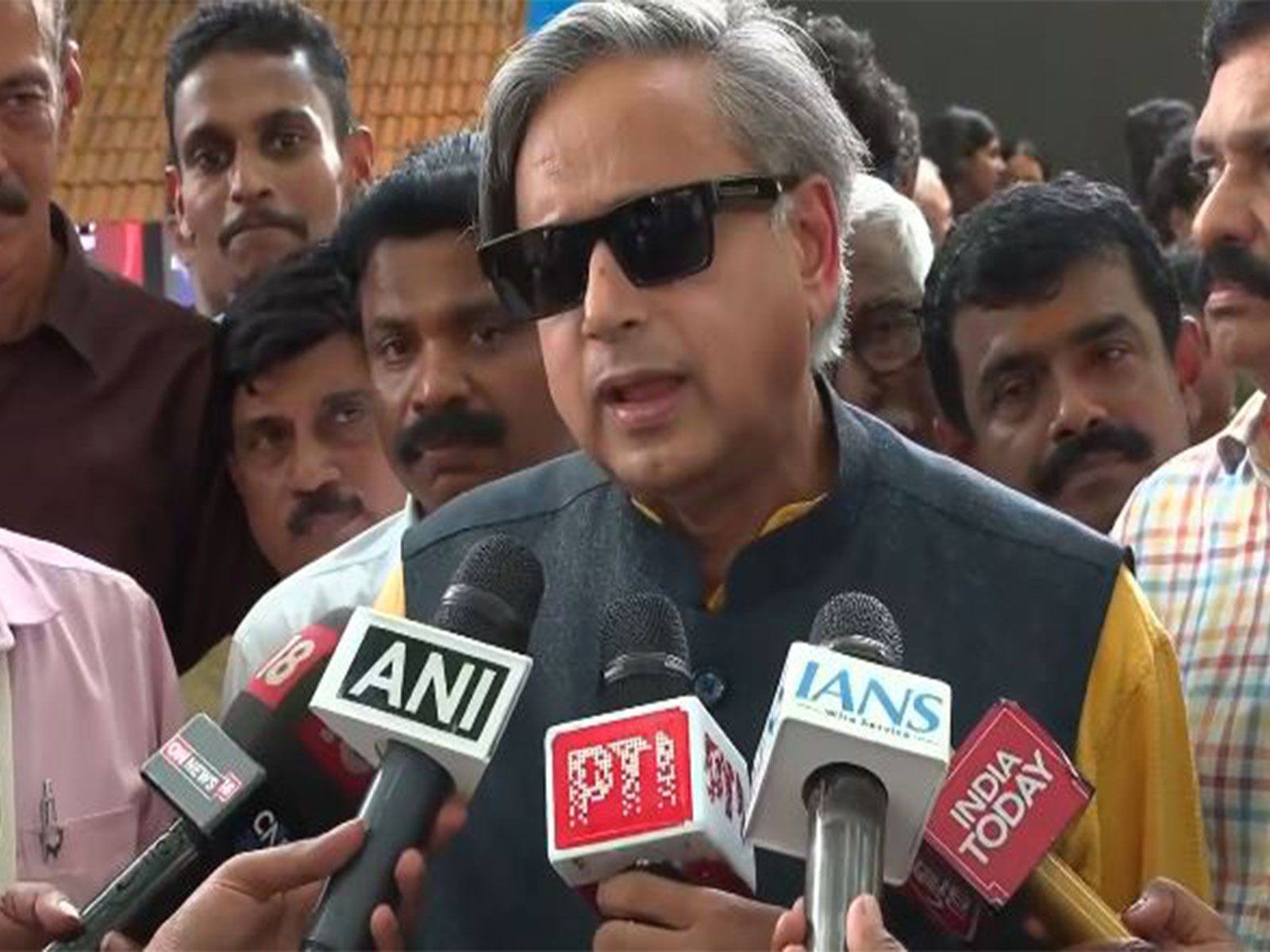
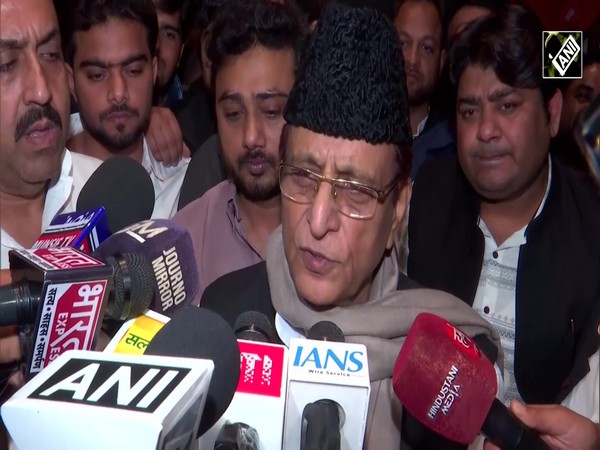
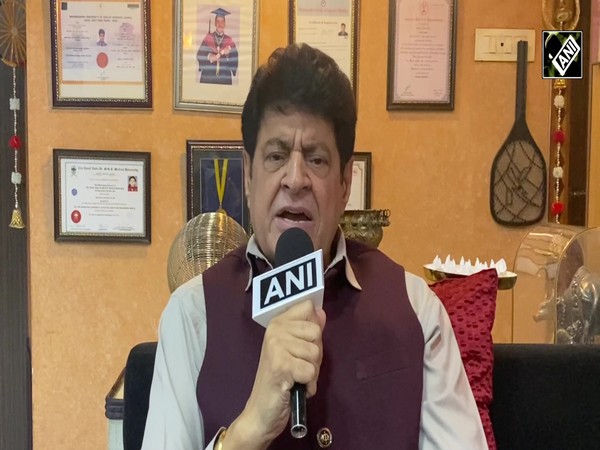
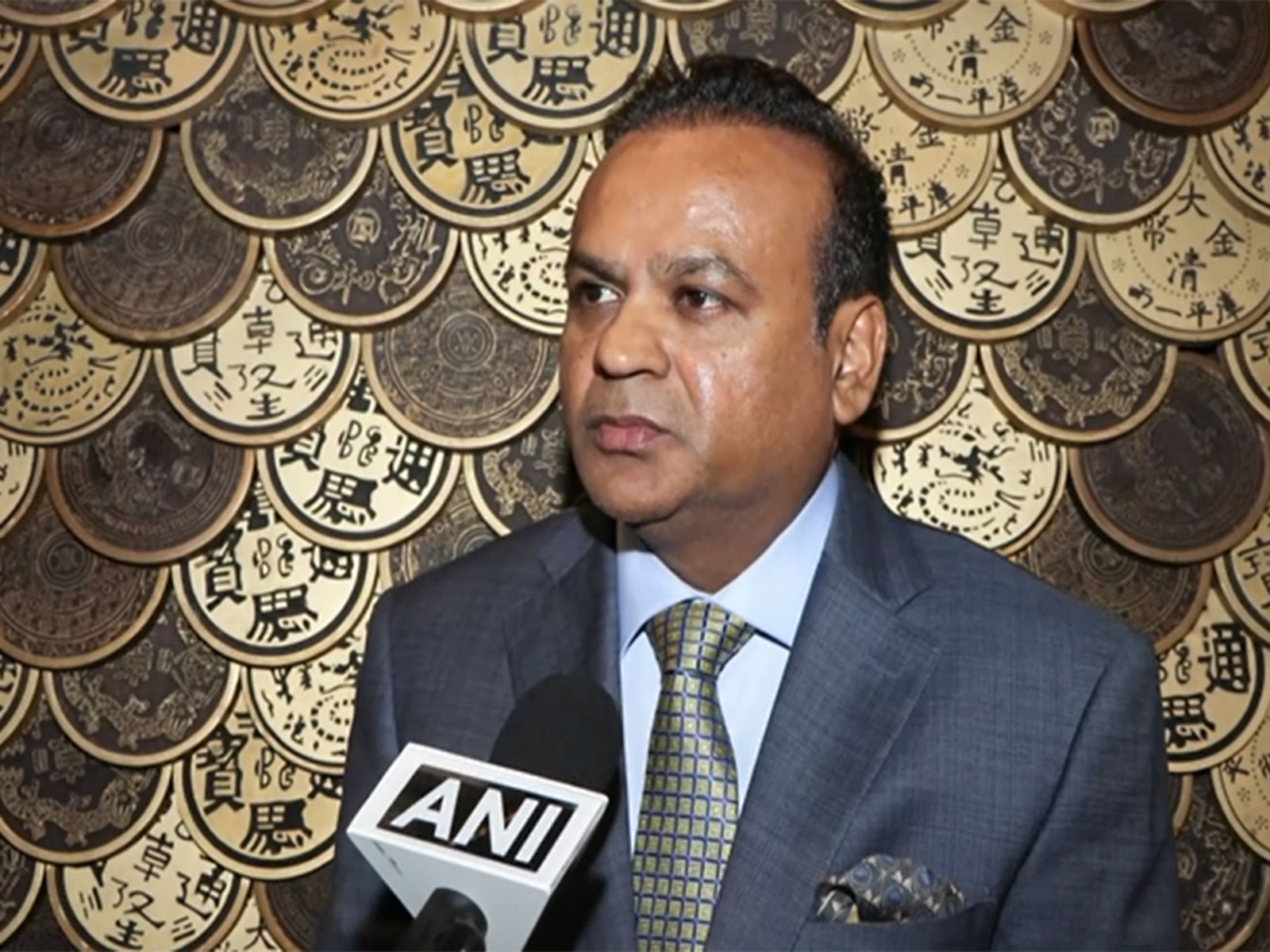
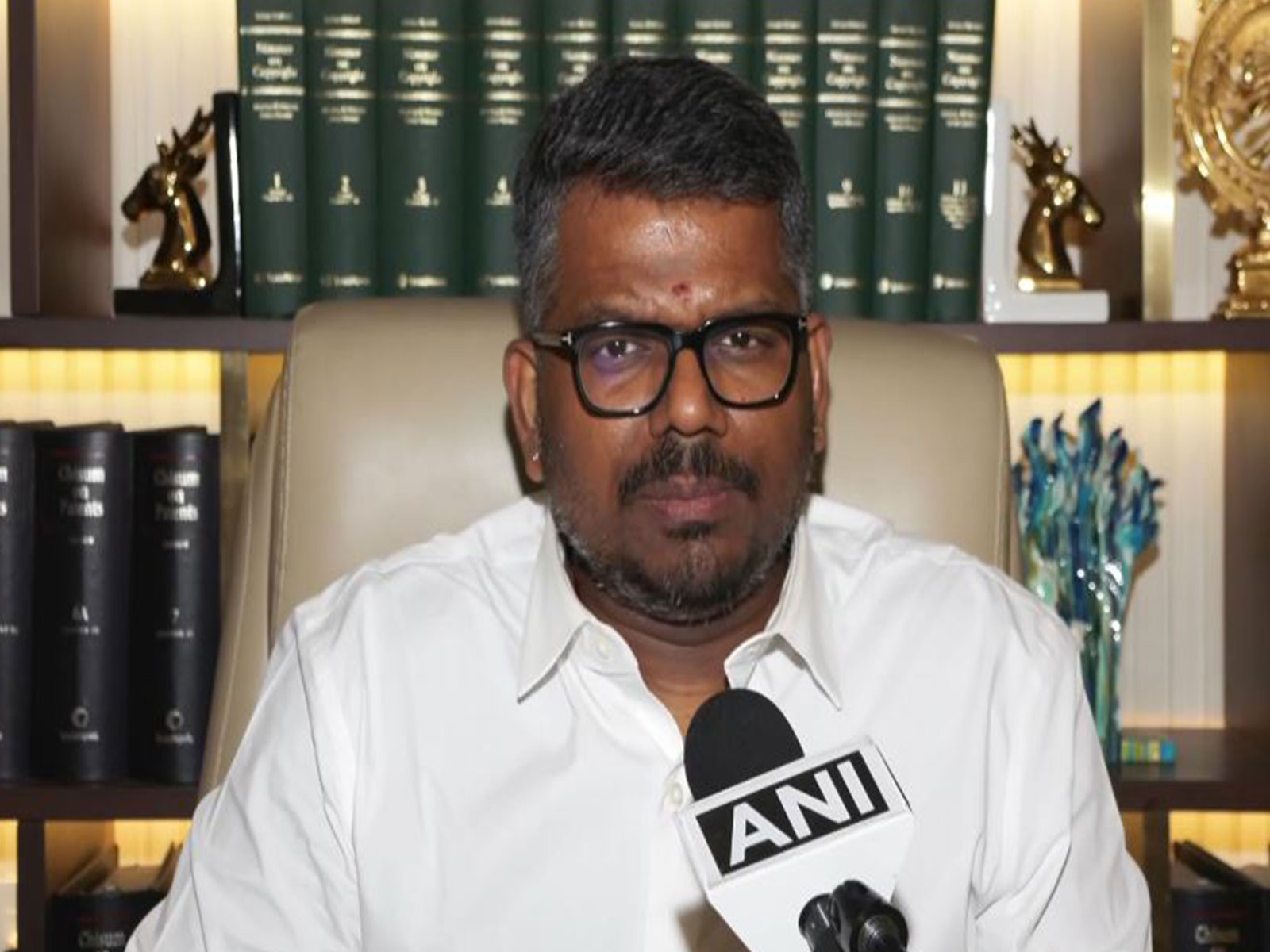
New Delhi [India], November 27 : J Sai Deepak, advocate for petitioner Rama Subbu in the Deepathoon lamp lighting case, on Friday termed the Deepathoon controversy in Tamil Nadu “worse than Ayodhya”, arguing that devotees were being prevented from exercising religious rights on land whose ownership was judicially settled in their favour nearly nine decades ago.
Speaking to ANI after the Supreme Court’s latest directions, which ordered the lighting of the Karthigai Deepam lamp at Deepathoon on November 28, removed the temple trustees, appointed two former Madras High Court judges as receivers, and called for Central Reserve Police Force (CRPF) deployment, Deepak welcomed the intervention as a decisive enforcement of judicial authority and accountability.
Drawing a sharp distinction between the Ayodhya litigation and the Deepathoon row, Deepak argued that property ownership in the present case had already been settled long ago and is approaching its centenary.
“Ayodhya was a property dispute. This is a settled issue. The property dispute here was settled, decided and adjudicated. This is actually worse than Ayodhya because the ownership of the property has already been decided in your favour, and yet you are still unable to exercise your religious rights at a place that has been adjudicated as yours,” he said.
He added that the dispute over the pillar should not have arisen at all given the earlier judicial settlement of ownership in 1931, now nearly nine decades old.
Praising the Supreme Court’s latest order for providing relief to devotees and addressing non-compliance, Deepak said, "The first thing is that the Supreme Court has ordered the lighting of the lamp on November 28 at Deepathoon. The second thing is that the trustees have been removed from their positions. Those who have betrayed the trust of Hindu society with respect to its religious rights will no longer occupy those positions."
Highlighting the twin focus of the court’s intervention on contempt accountability and enforcement, he added, "The court has recognised that there are two aspects to this issue. One is to prosecute the state authorities for contempt, and the second is to enforce the order and ensure that the ceremony takes place. Both these aspects have been addressed by the order, and we are grateful for it."
The Supreme Court has also appointed two former Madras High Court judges as receivers after expressing concerns over the conduct of the temple administration. It has further directed the deployment of the Central Reserve Police Force (CRPF) to facilitate the ceremony and provide security in the area.
On the suspension of the Board of Trustees and appointment of former High Court judges as receivers, Deepak said the Supreme Court had clearly signalled its lack of confidence in the temple administration and its appointees, while also contending that state control of temples requires broader scrutiny beyond Thiruparankundram.
Questioning the law-and-order situation after the court ordered CRPF protection for both the temple and the nearby dargah, Deepak criticised the state government’s handling of the dispute, "I would have expected better from a government. One would not have expected such nonchalance with respect to the rights of devotees and the rule of law."
Addressing claims that the BJP was politicising the matter and hurting Hindu sentiments, Deepak placed responsibility squarely on the Tamil Nadu government. "The easiest thing for the state government to do would have been to follow the order of the court, whether that of the single judge, the Division Bench or the Supreme Court. It is the state government’s conduct that has effectively allowed this issue to snowball. They have nobody else but themselves to blame."
Rejecting the idea that authorities or temple administrators can set aside court orders over customs, administrative hurdles, or a pending review plea, Deepak said, "Once an order is passed, nobody has the option to defy it. They have the right to challenge it, and that is exactly what happened in this case. The state authorities approached the courts, but that does not give them the liberty to disobey an order."
He noted that the November 20 order was a limited, one-time arrangement for this year’s festival rather than a permanent determination of the broader dispute. "This was a carefully worded, limited, one-time direction. It is not as if the court has decided the issue for all time to come. If state authorities are allowed to get away with this kind of disobedience, what example are we setting for an ordinary citizen?"
Finally, he stressed that the Tamil Nadu government had been heard by the court and could not use its pending review petition to block immediate compliance, "The state government has already filed a review petition against the November 20 order. However, there is no stay on that order. The priority is to ensure immediate compliance. The government cannot argue that the lamp should not be lit merely because its review petition is pending."
The Supreme Court issued its fresh directions after the lamp was not lit at Deepathoon on November 24 despite its earlier order permitting the ceremony.
Expressing concern over the temple administration’s conduct, the Supreme Court removed/suspended the Board of Trustees, named two former Madras High Court judges as receivers, and ordered CRPF deployment to facilitate the November 28 ceremony and maintain security around both the temple and the nearby dargah.
The Tamil Nadu government has filed a review petition challenging the court’s earlier November 20 order, though no stay has been granted on executing the directions.