Delhi Court confirms earlier injunctions in Hari Shankar Tibrewal defamation case
Sep 21, 2026
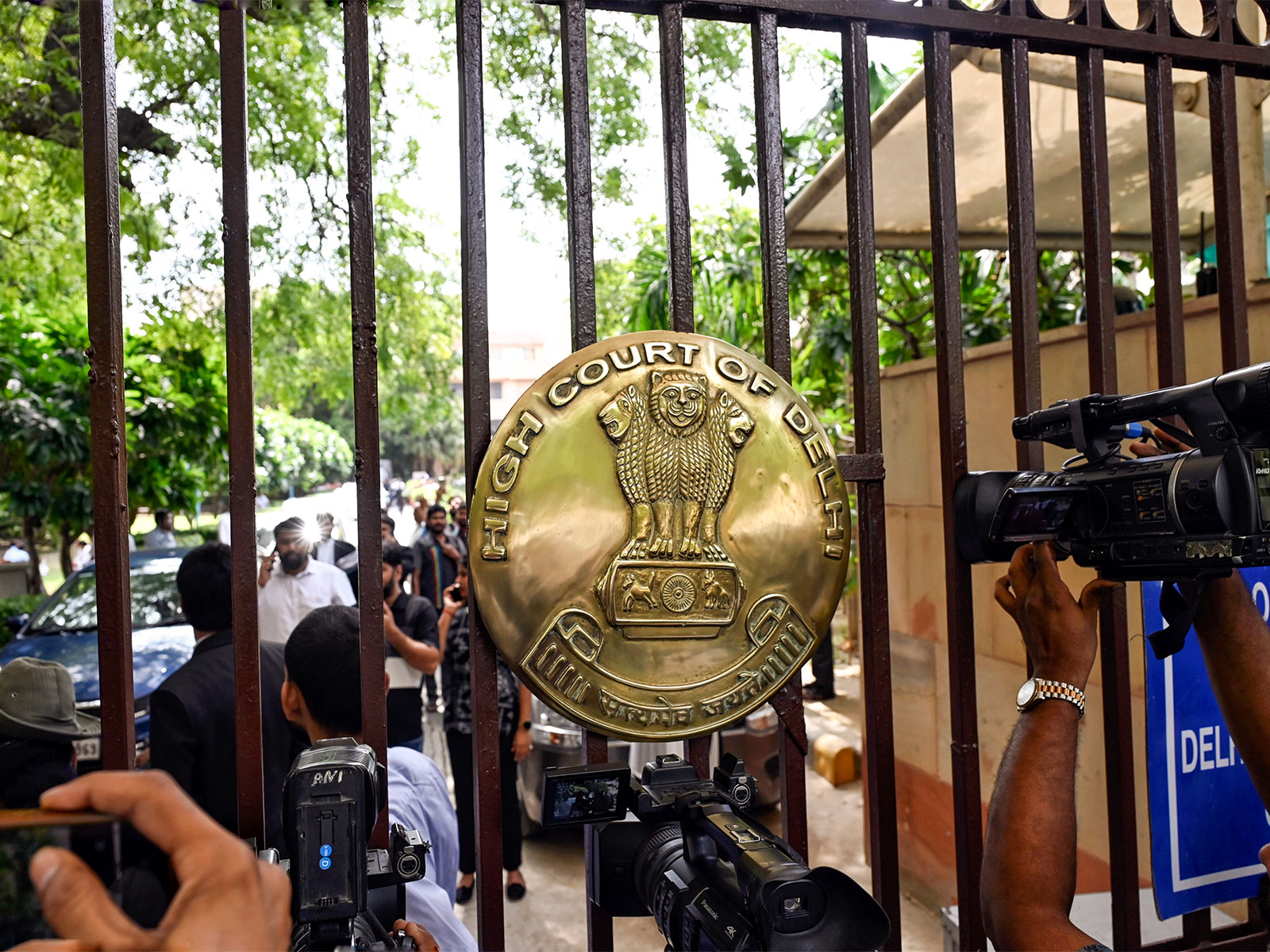
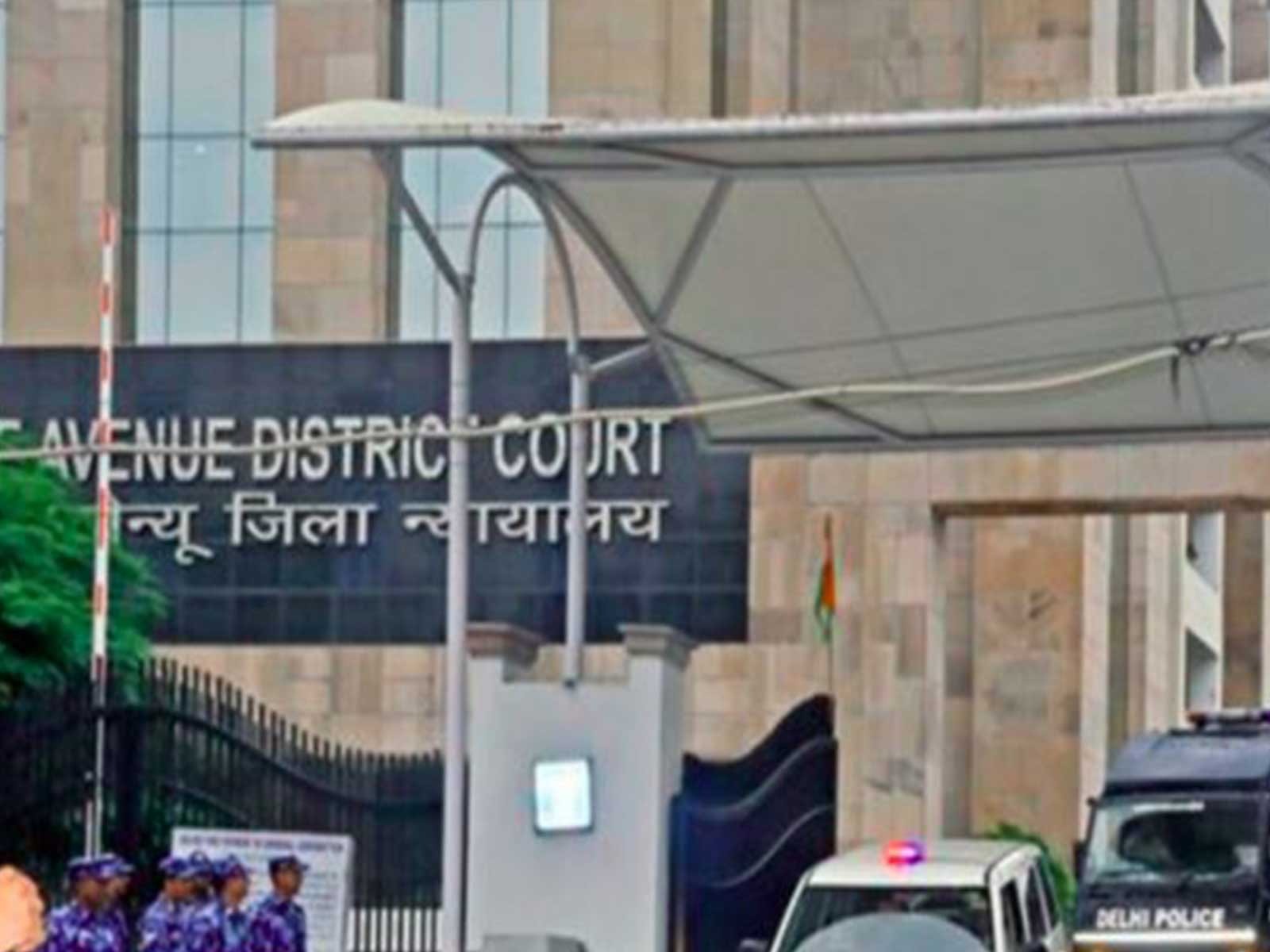
New Delhi [India], September 21 : Delhi's Rouse Avenue Court has confirmed its earlier interim injunctions in a civil defamation case concerning businessman Hari Shankar Tibrewal, observing that certain publications allegedly portraying him as a “Hawala Trader”, a “key figure in stock market manipulation scheme” and a “shadowy titan in a financial underworld” prima facie attributed criminality to him.
The court observed that such projection of guilt could prejudice the plaintiff and interfere with the administration of justice.
“Such projection of guilt is a trial outside the Trial Court and may create prejudice against the plaintiff and interfere with the administration of justice,” the court observed.
The court was considering an application seeking interim protection against allegedly defamatory material concerning Tibrewal. It examined several publications in which allegations relating to hawala operations, stock market manipulation and the Mahadev betting case were allegedly attributed to him.
The court noted that one publication described Tibrewal as a Dubai-based businessman with alleged connections to hawala operations and apparently involved in helping pump stocks through market manipulation, while another described him as a “key figure” in an alleged small-cap stock market manipulation scheme.
Another publication allegedly described him as a Dubai-based hawala trader who was reportedly influencing company decisions.
The court held, at the prima facie stage, that such expressions attributed criminality to the plaintiff and portrayed him as being involved in organised crime. It observed that expressions such as “key figure in stock market manipulation scheme”, “Hawala Trader”, “one of the main accused in Mahadev Betting” and “shadowy titan in a financial underworld” were prima facie defamatory.
The court also considered the potential impact of such publications on the plaintiff’s reputation and observed that monetary compensation may not be an adequate remedy for the alleged harm. It found a prima facie case and considered the balance of convenience and possibility of irreparable injury while dealing with the request for interim protection.
The court also referred to earlier directions under which specified material was required to be removed and not republished or circulated. It noted that subsequent publications allegedly containing descriptions such as “absconding”, “Hawala Stock Manipulation, large betting syndicate”, “farar” and “fugitive from Indian justice” fell within the category of material earlier considered by the court.
The court observed that the later publications, in its view, were not merely reporting a probe but were “sensationalising the story”.
At the same time, the court clarified that the protection was confined to the specified material and expressions covered by its orders and did not amount to a blanket prohibition on reporting.
The order preserves reporting of FIRs, information or allegations disclosed by investigating or regulatory agencies and orders or proceedings of courts, tribunals and statutory authorities, subject to applicable journalistic norms.
The court further provided for de-indexing of covered material in accordance with applicable legal guidelines in the event of non-compliance with the directions. It also noted that making the covered publication inaccessible to the public through appropriate privacy settings could constitute compliance.
The court relied upon judicial precedents dealing with reputation, privacy, fair reporting and the potential prejudice that may arise when allegations under investigation are presented as established guilt.
The court’s observations were made while considering interim relief and are prima facie in nature. The order does not amount to a final adjudication of the underlying defamation claim or a determination of the truth or otherwise of the allegations concerning the plaintiff.