Delhi Riots Case: High Court lists Umar Khalid, Sharjeel Imam bail pleas for September 30
Sep 21, 2026
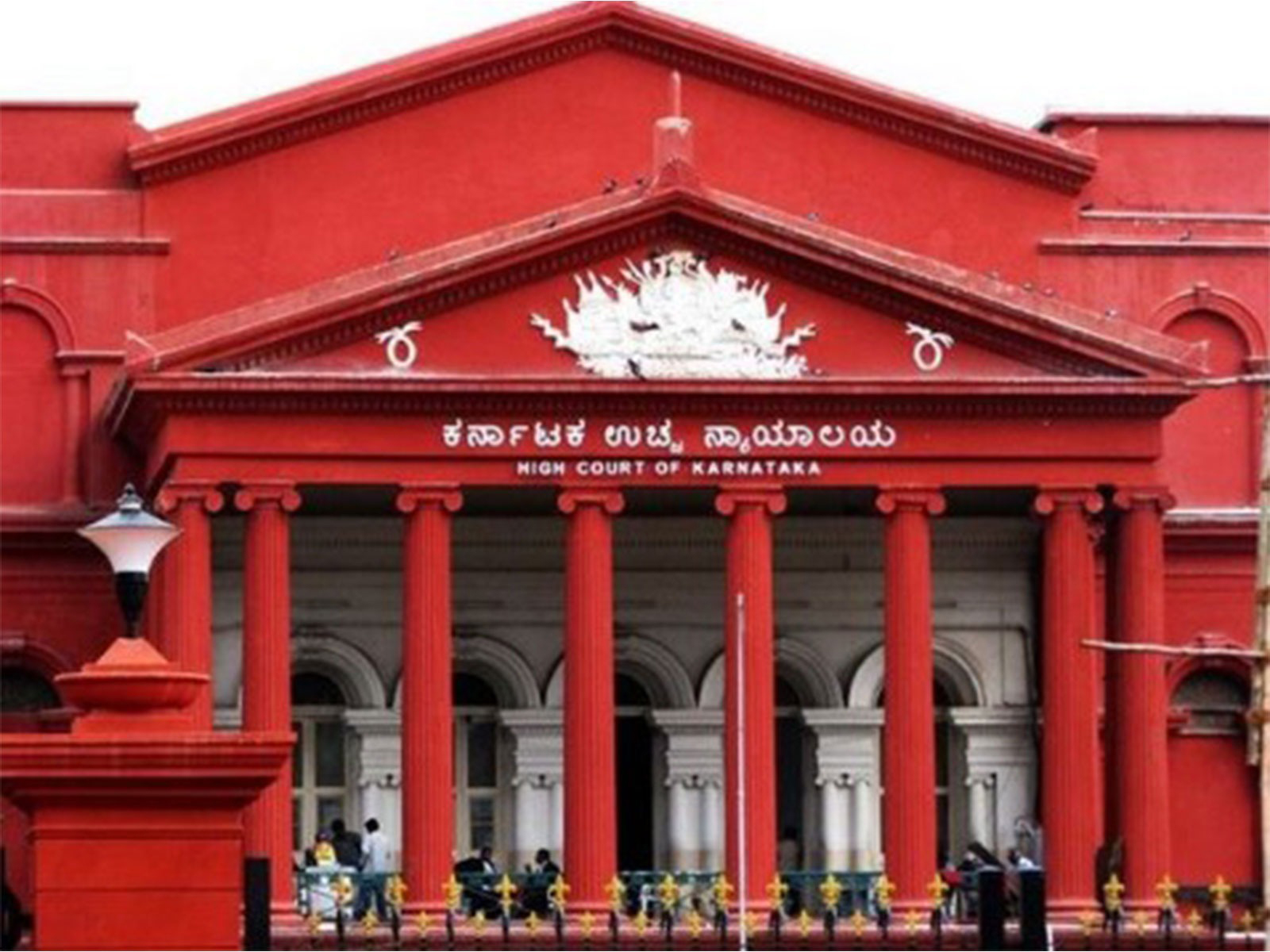
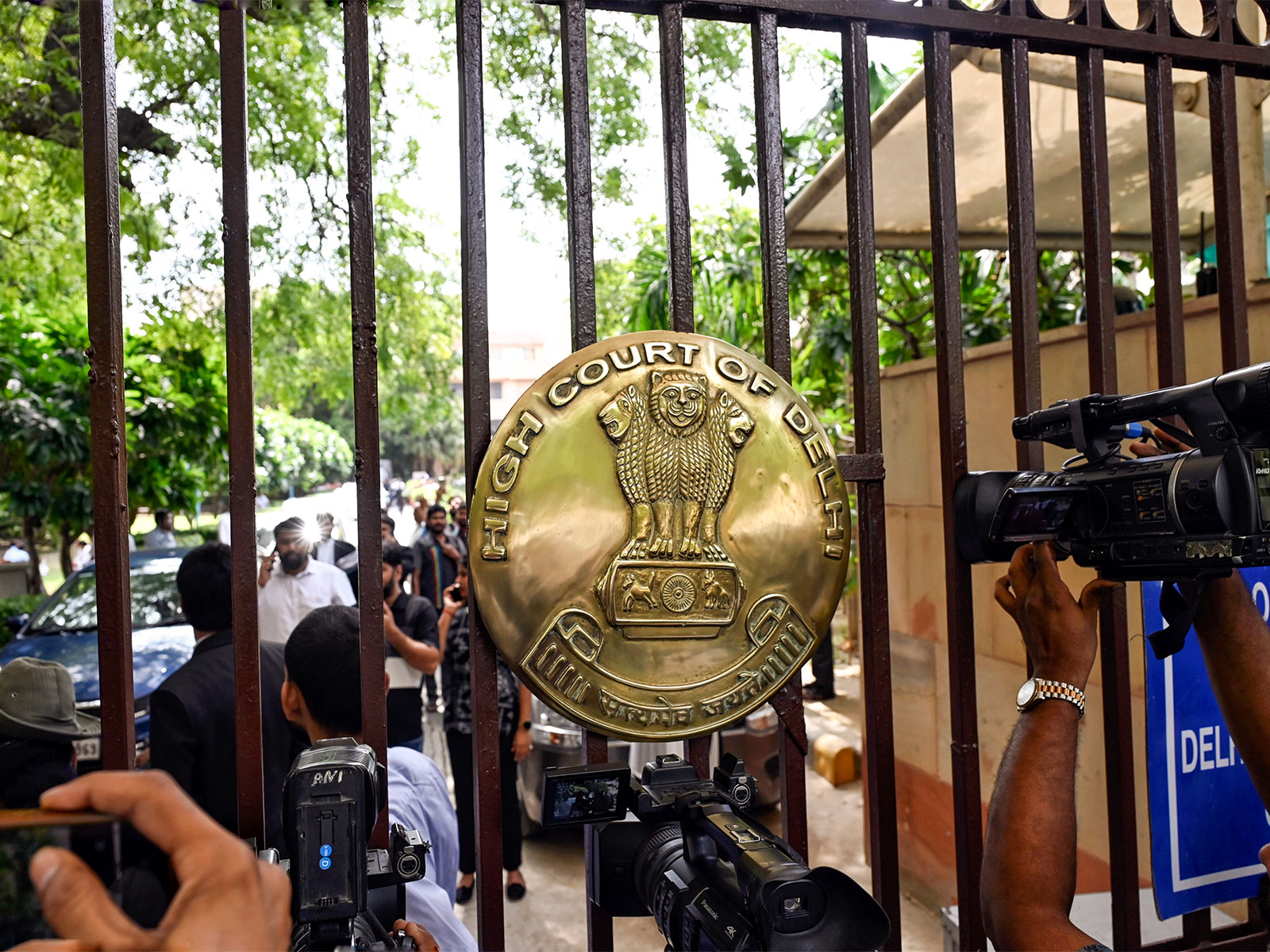
New Delhi [India], September 21 : The Delhi High Court on Monday deferred to September 30 the hearing on the bail pleas of activists Umar Khalid and Sharjeel Imam in the 2020 Delhi riots case after the Delhi Police sought an adjournment.
A bench of Justice Pratibha M Singh and Justice Dinesh Bhatt listed the matters for hearing on September 30. Special Public Prosecutor Madhukar Pandey submitted that Additional Solicitor General SV Raju was unavailable for health reasons and sought a deferment.
The Delhi Police, meanwhile, has opposed the fresh bail pleas of Khalid and Imam, contending that the proceedings have been instituted before the stage fixed by the Supreme Court for renewal of their bail applications.
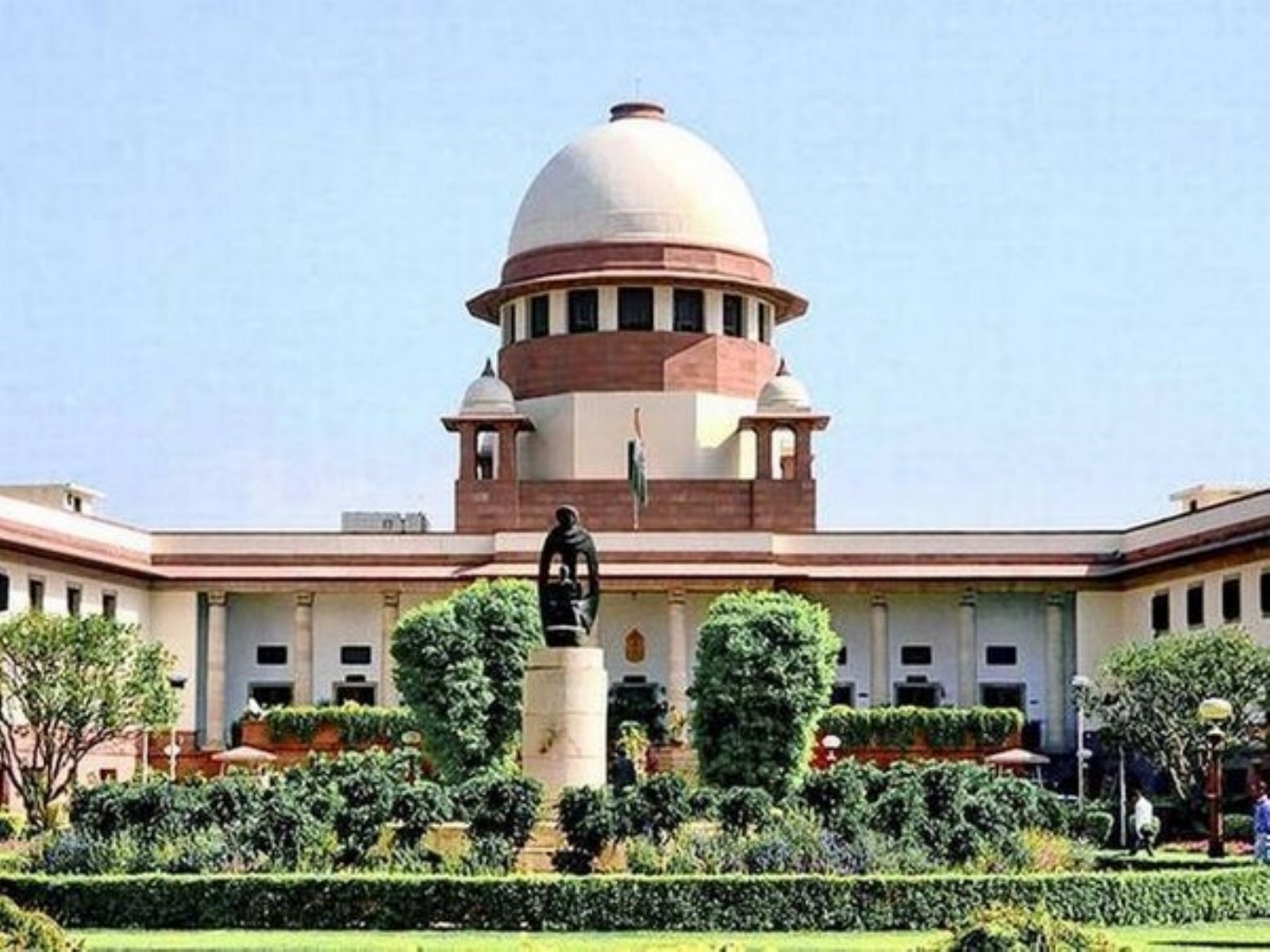
In its reply before the High Court, the State has described the proceedings as “misconceived and illegal” and argued that the accused cannot seek to reopen their bail pleas in disregard of the directions issued by the Supreme Court in its January 5, 2026 judgment in Gulfisha Fatima v. State (NCT of Delhi).
According to the State, the Supreme Court had permitted Khalid and Imam to renew their bail pleas after completion of the examination of protected witnesses relied upon by the prosecution, or after one year from January 5, 2026, whichever was earlier.
The prosecution has contended that neither of those circumstances had arisen when the present proceedings were instituted.
The State has also relied upon observations made by the Supreme Court regarding the alleged roles attributed to Khalid and Imam in the larger conspiracy relating to the February 2020 northeast Delhi violence.
The prosecution has relied on material including alleged recoveries, digital communication trails and statements, and has referred to the Supreme Court’s observations concerning an alleged “central and formative role” attributed to the two accused in the alleged planning, mobilisation and strategic direction.
In relation to Khalid, the State has further relied on the Supreme Court’s observations concerning the alleged exercise of “command authority” and ability to mobilise or influence individuals. It has opposed any attempt to seek parity with co-accused who have secured bail, arguing that the Supreme Court had noted differences in the alleged roles of the accused.
The State has also opposed reliance on subsequent Supreme Court developments, including the judgment in Syed Iftikhar Andrabi v. NIA. According to the prosecution, that judgment arose in a different case and did not deal with the allegations or bail proceedings concerning Khalid and Imam.
The prosecution has further referred to the Supreme Court’s May 22, 2026 order in Tasleem Ahmed v. State (NCT of Delhi), under which the divergence between the views expressed in Gulfisha Fatima and Syed Iftikhar Andrabi was referred to a larger bench.
The State has argued that the reference to a larger bench does not, by itself, set aside or suspend the earlier judgment. It has relied on the Supreme Court’s ruling in Union Territory of Ladakh v. Jammu and Kashmir National Conference to contend that a mere reference does not unsettle the law already declared.
The prosecution has therefore maintained that the directions contained in the Gulfisha Fatima judgment continue to operate unless modified or overruled by the larger bench.
The State has also opposed the bail pleas on the ground of Section 43D(5) of the Unlawful Activities (Prevention) Act (UAPA), contending that the statutory restriction on grant of bail continues to apply.
Khalid and Imam are accused under the UAPA in connection with the alleged larger conspiracy relating to the February 2020 northeast Delhi riots, in which 53 people were killed and more than 700 injured, according to the prosecution.
The violence erupted during protests against the Citizenship (Amendment) Act, 2019 and the proposed National Register of Citizens.
The State has sought liberty to rely upon the chargesheets and documents filed in the case during the hearing and to place additional material, if required, concerning the alleged roles of the accused.