Delhi LG inaugurates MCD-IIT Delhi workshop on solid waste management, calls for Indore model replication
Sep 01, 2026
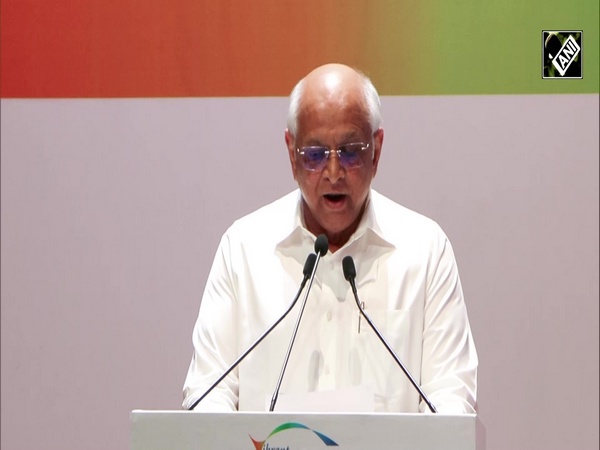
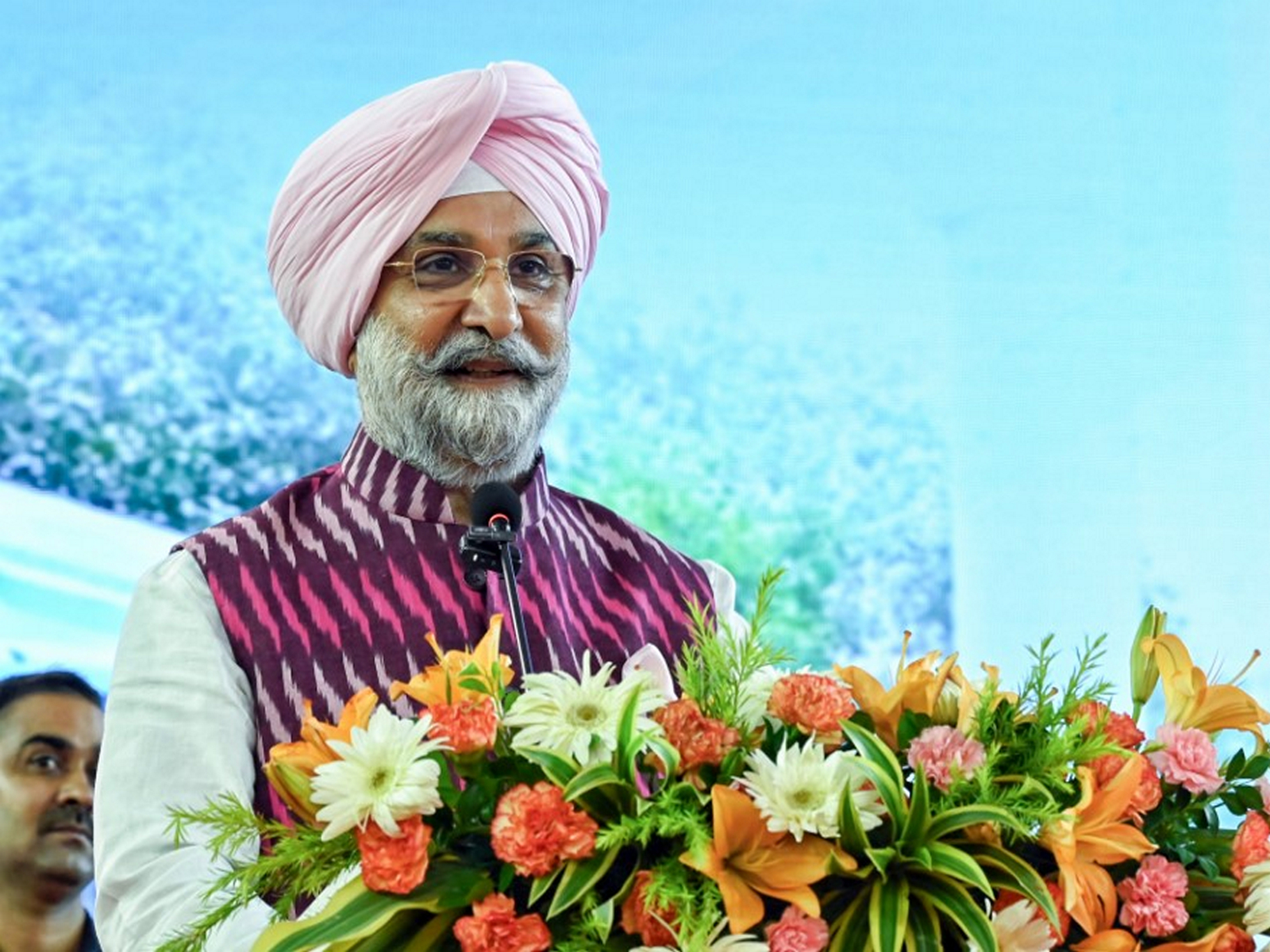
New Delhi [India], September 1 : Delhi Lieutenant Governor Taranjit Singh Sandhu on Tuesday inaugurated the 'One-Day Brainstorming Workshop on Municipal Solid Waste Management: A Multi-Level/Multi-Stakeholder Strategy towards Circularity', organised by the Municipal Corporation of Delhi (MCD) in collaboration with IIT Delhi at the India International Centre in New Delhi.
According to the release, the workshop marks the first such institutional collaboration undertaken by the MCD with a premier academic institution on the subject of solid waste management, and comes in pursuance of earlier directions issued by the LG in this regard, who has, on previous occasions, cited Indore's model as one worth emulating and has also met the Mayor of Indore on the subject.
Addressing the inaugural session, the Lieutenant Governor congratulated the MCD and IIT Delhi for bringing together experts, public representatives, and stakeholders for the workshop, saying that knowledge grows incrementally when it is shared, and that best practices and success stories from across the globe should inform Delhi's approach to solving its waste management challenges.
He singled out Indore as a shining domestic example of what disciplined, sustained municipal effort can achieve, and called for its successful model to be studied closely and replicated in Delhi, suitably adapted to the Capital's scale, density, and local conditions.
The LG said that scientific and sustainable management of municipal waste is not merely a matter of cleanliness but is closely linked with public health, environmental protection and the quality of life of Delhi's citizens.
He said that with Delhi generating around 13,000 metric tonnes of municipal waste every day, there is a need to adopt modern, sustainable and practical solutions for effective waste management.
The focus, he said, must move beyond waste collection towards reducing, reusing and recycling waste and converting it into valuable resources, thereby shifting from a 'Waste-to-Landfill' approach to a 'Waste-to-Wealth' model, as per the release.
Highlighting the importance of source segregation, the LG emphasised that proper segregation of wet waste, dry waste, sanitary waste and domestic hazardous waste at source can significantly improve scientific processing and recycling.
He also stressed the role of modern technology, digital monitoring, effective data management and advanced waste-processing systems in making waste management more efficient and transparent.
Reiterating his call for replication of successful models, he said practices from cities in India and across the world, including Indore, offer valuable lessons for Delhi, and must be studied, adapted, and implemented to suit the Capital's local requirements, rather than the city attempting to reinvent solutions that have already proven effective elsewhere.
The LG further emphasised that effective waste management requires collective responsibility and active public participation. Municipal bodies, public representatives, RWAs, market associations, industries, institutions, experts and citizens must work together to bring about lasting change, with every household standing as an equal stakeholder rather than treating cleanliness as the Municipal Corporation's responsibility alone.
He expressed the expectation that the deliberations at the workshop would lead to practical and innovative solutions, concrete action plans and measurable outcomes for developing a sustainable and long-term waste management model for Delhi, one capable of serving as an example for other cities in India and abroad.
According to the release, Delhi Mayor Pravesh Wahi said that cleanliness in Delhi is a collective responsibility and must remain a top priority for building a cleaner, healthier and better city. He highlighted the progress made in recent years, including the clearing of landfill sites, strengthening of sanitation infrastructure and deployment of new machinery.
He also stressed the importance of strict enforcement and said that selected wards should be developed as model wards showcasing best practices in sanitation and waste management.
The Mayor said that while Delhi faces challenges in achieving its cleanliness goals, there are also immense opportunities for improvement. Focused efforts, effective monitoring, public participation and collective responsibility can help overcome these challenges and create visible and sustainable improvements across the city.
Indore Mayor Pushyamitra Bhargav said that Prime Minister Narendra Modi's Swachh Bharat Abhiyan has given a strong direction to the country's cleanliness and sanitation efforts.
He said Indore has emerged as a leading example, demonstrating how sustained and focused efforts can transform a city. He noted that cleanliness has now become an important indicator of urban development and quality of life.
Further, Bhargav emphasised that municipal bodies must earn citizens' trust through responsive governance and timely grievance redressal. He also underlined the importance of behavioural change and decentralised waste management through initiatives such as Zero Waste Wards, Zero Waste Colonies and Zero Waste Roads, with active participation of residents and local communities.
MCD Commissioner Sanjeev Khirwar said that source segregation, scientific waste processing and resource recovery are among MCD's key priorities.
He emphasised that segregation of wet, dry, sanitary and domestic hazardous waste at source would improve recycling, recovery and processing while reducing the quantity of waste sent to landfill sites.
The Commissioner said that MCD is strengthening the entire waste management chain and expanding waste-processing facilities, with greater use of machinery, technology and modern sanitation resources.
The focus is to treat waste as a resource by converting organic waste into compost and biogas and recovering and recycling dry waste, thereby moving from waste disposal towards resource recovery and a circular economy.