Democrats' US midterm victory could ease inflation concerns, lower long-term bond yields: Morgan Stanley
Nov 09, 2026
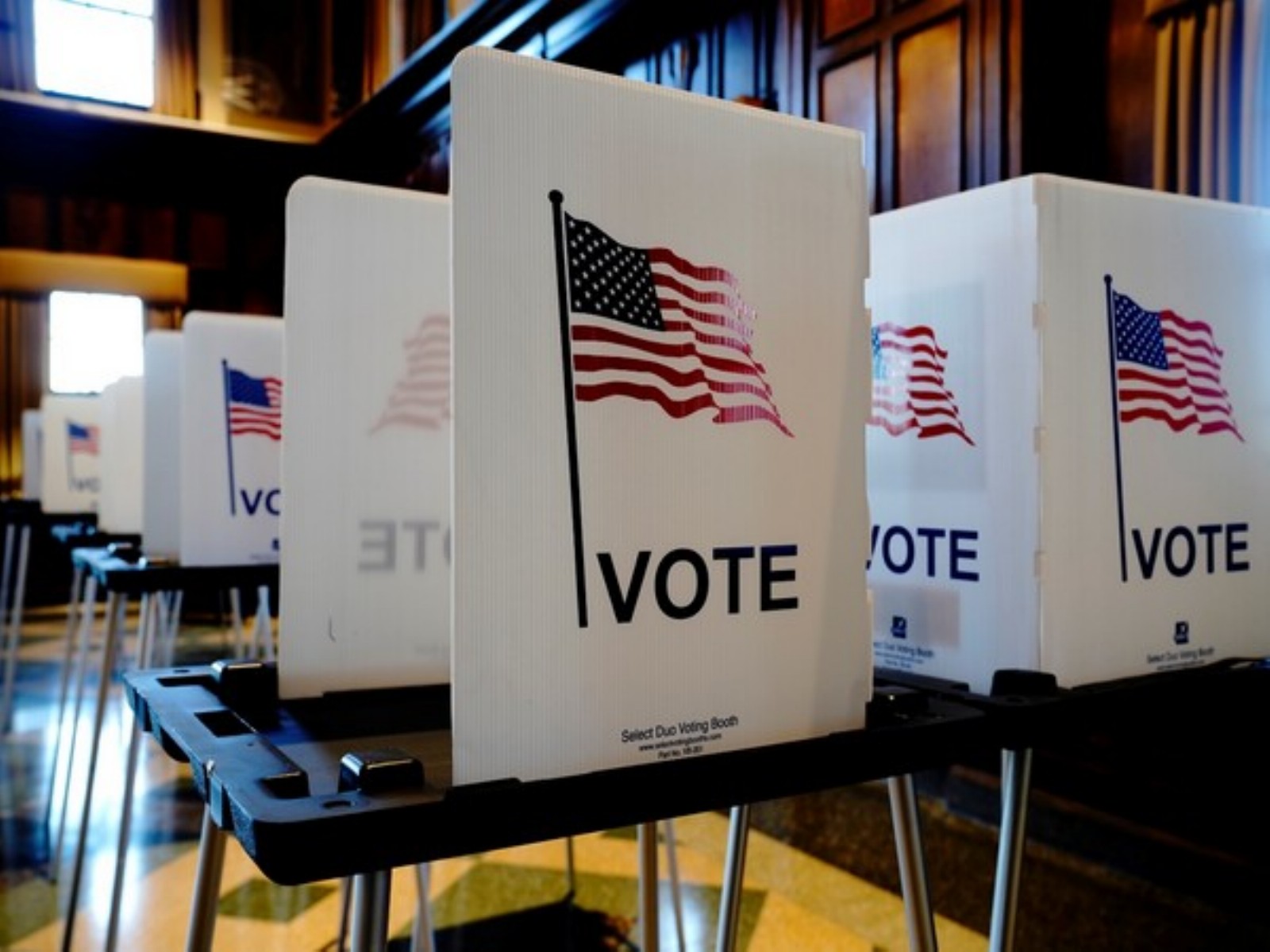
New Delhi [India], November 9 : The Democrats' sweeping victory in the US midterm elections could ease inflation concerns and push long-term bond yields lower, according to Morgan Stanley.
Andrew Sheets, Global Head of Fixed Income Research at Morgan Stanley, noted that while the Democratic victory was initially perceived as a negative outcome for financial markets, several factors could help fixed-income investors become more comfortable with the results.
"The word surprise has lost some meaning in investing over the years, but the US election results qualify," Sheets said, highlighting that Democrats secured significantly more seats in both chambers of Congress than anticipated.
He noted that investors had reduced their market exposure ahead of the elections amid political uncertainty and broader volatility, creating room for renewed investment following the results.
"Uncertainty is now lower. After all, we know the result, and investors should have some room to add if they want to," he said.
Highlighting inflation as a major concern for fixed-income markets, Sheets said tariffs and elevated energy prices have contributed to upward price pressures this year.
He suggested that investors could interpret the election outcome as a signal of public dissatisfaction with existing tariff and foreign policies, potentially increasing expectations of policy changes.
"And that could help to push down long-term bond yields," he said.
Morgan Stanley's economists also expect the next US inflation report this month to show a notable decline, which could further support fixed-income markets.
The report also highlighted the impact of artificial intelligence-related investments, which have generated record bond issuance and pushed up credit spreads and yields.
Sheets suggested that potential regulatory changes following shifts in state-level political leadership could slow AI infrastructure expansion, easing concerns over bond supply pressures.
However, Morgan Stanley's analysts do not expect the midterm elections to fundamentally alter the broader AI investment outlook.
Referring to historical market trends, Sheets noted that the S&P 500 rose over the following year after each of the 11 US midterm elections between 1982 and 2022, irrespective of which political party won.
He cautioned that the historical pattern could be coincidental but suggested that election outcomes do not always have a lasting impact on financial markets.
"I think it speaks to the fact that while elections matter a great deal to the country in question, they don't always mean as much to markets," Sheets said.