Department of Drinking Water & Sanitation organised "13th District Collectors’ Peyjal Samvad" under Jal Jeevan Mission 2.0
Oct 15, 2026
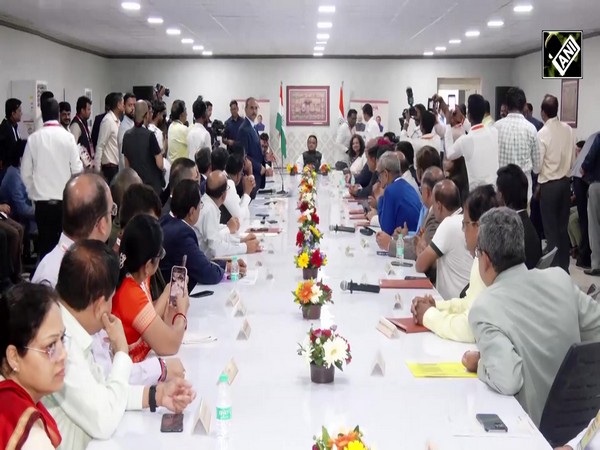
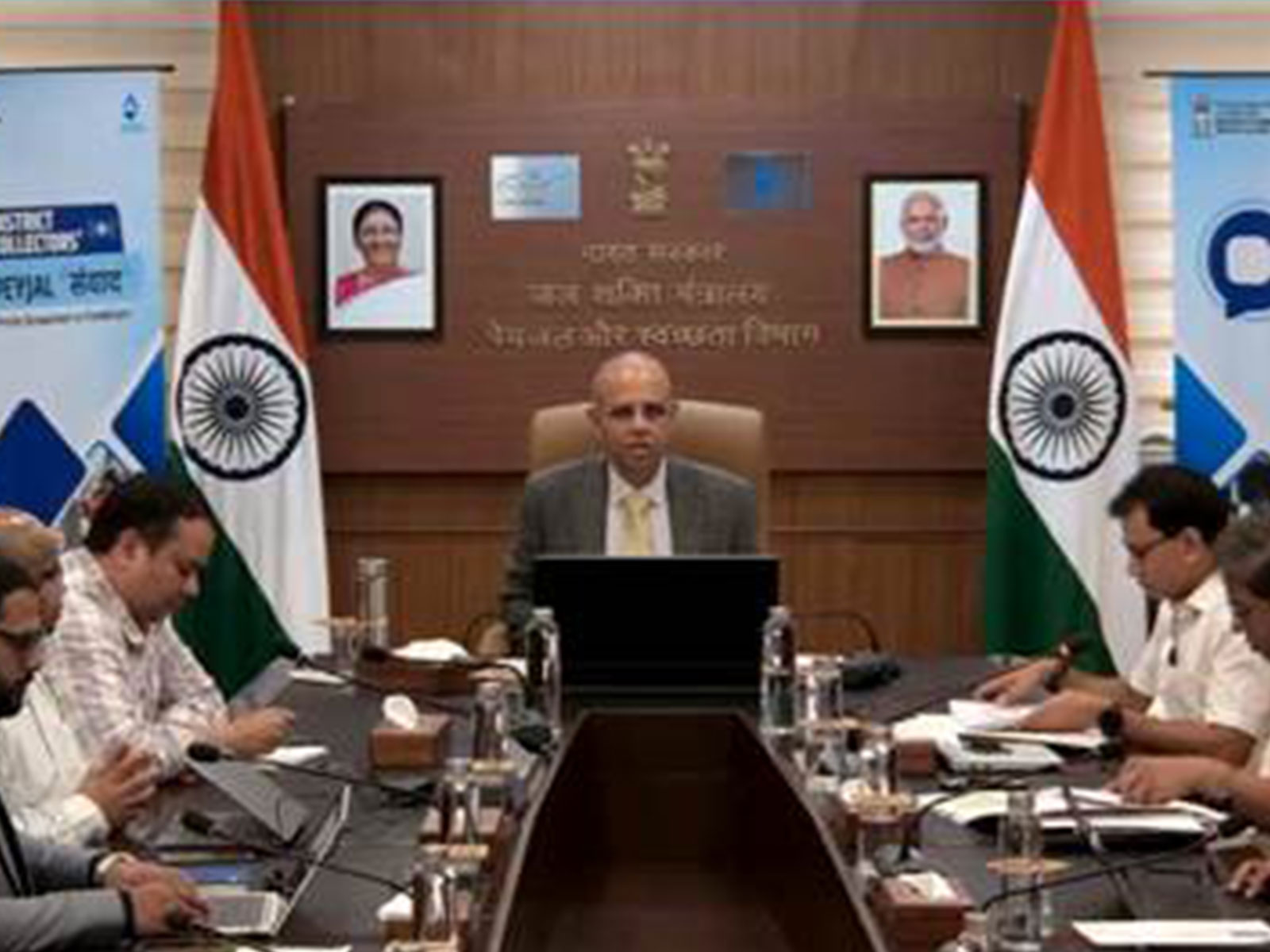
New Delhi [India], October 15 : The Department of Drinking Water & Sanitation (DDWS), Ministry of Jal Shakti, on Thursday organised the 13th edition of the 'District Collectors’ Peyjal Samvad' on Thursday through video conferencing, bringing together senior officials, District Collectors/ District Magistrates, and Mission Directors of State/UTs to deliberate on accelerating the implementation of Jal Jeevan Mission (JJM) 2.0 and sharing of best practices.
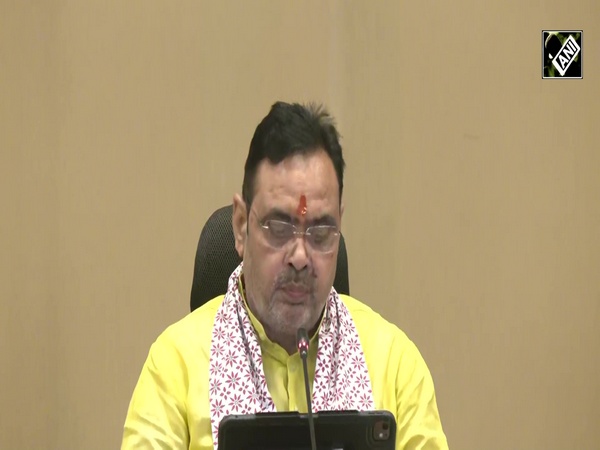
According to Jal Sakti Ministry, the Samvad was chaired by Ashok K K Meena, Secretary, DDWS. Kamal Kishore Soan, Additional Secretary & Mission Director, National Jal Jeevan Mission (NJJM), and Senior Officers from DDWS were also present during the Samvad.
In his opening remarks, Ashok K K Meena, Secretary, DDWS, said that this platform has emerged as an important platform for peer learning, enabling district administrations to share innovative practices and address implementation challenges in rural drinking water service delivery. He emphasised the pivotal role of District Collectors in strengthening local water governance, ensuring effective operation and maintenance of rural water supply systems, and promoting community ownership of assets created under the Mission.
Secretary, DDWS calls for Greater Accountability and Data-Driven Governance. He directed districts to ensure regular monthly meetings of District Water and Sanitation Missions (DWSMs) and timely uploading of meeting minutes on the DWSM Portal. He stressed that strong institutional monitoring and documentation are essential for transparency, accountability and effective programme implementation.
Highlighting the findings from Jal Seva Aankalan, Meena urged districts to regularly review functionality assessment reports and district improvement plans available on the dashboard. He noted that water quality and energy-related disruptions continue to affect service delivery in many areas and called upon States and districts to explore solarisation of rural water supply schemes for improving reliability and operational efficiency.
He also emphasised the effective utilisation of the Decision Support System (DSS), which integrates groundwater, rainfall, hydrological and Jal Jeevan Mission data. He encouraged district administrations to use the platform for evidence-based planning, identification of water-stressed areas, source sustainability planning and prioritisation of interventions.
Referring to the integration of drinking water sustainability efforts with other national initiatives, he urged districts to leverage convergence opportunities under VB-G RAM G and other programmes to undertake groundwater recharge, source protection and water conservation measures in vulnerable areas.
Secretary also emphasised that, following the formal handover of drinking water supply schemes through Jal Arpan, the districts should retain the certificates in their respective local languages through the Jal Arpan Module.
Kamal Kishore Soan, AS&MD, NJJM, in his address underscored the importance of strengthening grassroots institutions for long-term sustainability of rural drinking water systems. He highlighted the need for systematic training and capacity building of Gram Panchayats, Village Water and Sanitation Committees (VWSCs), Panchayat Secretaries and Sujalam Shakti Groups to support operation and maintenance of drinking water infrastructure.
He emphasised that district administrations should encourage greater utilisation of the DSS platform, strengthen source sustainability planning in water-stressed areas and ensure convergence with ongoing rural development initiatives and VB-G RAM G to protect drinking water sources.
Soan also encouraged districts to provide exposure visits for higher-secondary and senior school students to multi-village water supply schemes, water treatment facilities, laboratories and SCADA-enabled systems so that young citizens develop a deeper understanding of water infrastructure and water conservation.
Y K Singh, Director (NJJM), made a presentation on the Jal Arpan module, highlighting its importance in ensuring the formal commissioning and handover of rural drinking water supply schemes to Gram Panchayats and communities. He explained the key stages of Jal Arpan preparedness, the reporting and monitoring framework through the DTU/DWSSM dashboard, and the digital workflow for Jal Arpan and Har Ghar Jal certification on the Gram Panchayat dashboard, while providing guidance on the step-by-step process for reporting and certification through the online module.
During the Peyjal Samvad, a total of five districts presented their progress and best field practices, which will further help other states’ districts to develop better under JJM 2.0. Each presentation was delivered by the respective District Collector/ District Magistrate.
In Kanpur Nagar, Uttar Pradesh, Mahender Singh Tanwar, District Magistrate & Collector, highlighted the district's efforts towards strengthening service delivery through regular review meetings, inter-departmental coordination and community participation.
The district has undertaken extensive IEC activities involving schools, sports clubs and social media platforms to promote awareness on water conservation, water quality and responsible use of drinking water infrastructure. Community-based water quality surveillance is being strengthened through trained women volunteers using Field Test Kits, while regular laboratory testing and quality audits are helping ensure safe drinking water supply.
In West Tripura, Vishal Kumar, District Magistrate & Collector’s presentation focused on strengthening community ownership and sustainability of drinking water systems through active involvement of Gram Panchayats, Self-Help Groups and local communities. The district has made significant progress in user-charge collection and has undertaken extensive capacity-building programmes for Gram Panchayats on operation and maintenance, source sustainability and monitoring of water supply systems.
In Thanjavur, Tamil Nadu R Revathi, District Collector, showcased innovative practices aimed at strengthening drinking water security and sustainability through scientific planning and technology-led interventions. The district has undertaken village-level water budgeting exercises to assess present and future water demand, identify groundwater stress and guide investments in recharge and conservation measures.
In Baragada, Odisha, Aditya Goyal, District Magistrate & Collector shared the district's structured approach towards implementation of rural water supply projects through a three-stage framework covering execution, commissioning and operation & maintenance. Strong inter-departmental coordination has helped resolve issues relating to land, power supply, forest clearances and right-of-way permissions, enabling timely progress of drinking water infrastructure projects.
In Palamu, Jharkhand, Dilip Pratap Singh Shekhawat, District Magistrate & Collector highlighted its robust monitoring mechanisms, including regular review meetings, a dedicated district control room and grievance redressal systems for tracking the functionality of drinking water schemes. Capacity building of Village Water and Sanitation Committees (VWSCs) and community-level institutions is being undertaken to facilitate effective operation and maintenance of water supply infrastructure after handover.
These presentations showcased achievements, ongoing challenges, and best practices under JJM, underlining the diversity of approaches adopted to accelerate progress under Har Ghar Jal.