Disaster expert links Nepal floods to climate change, says "these events increasing every year"
Sep 01, 2026
By Vishu Adhana
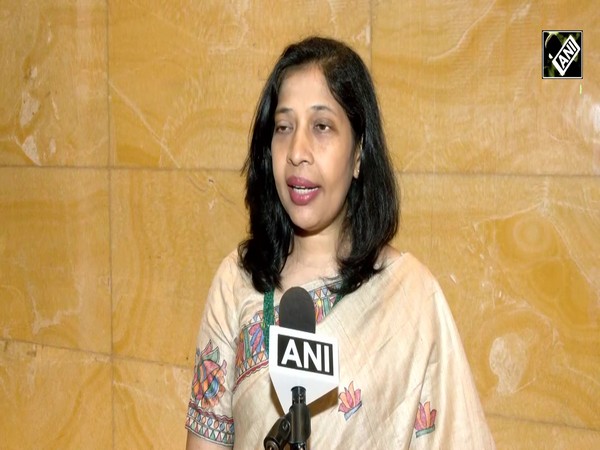
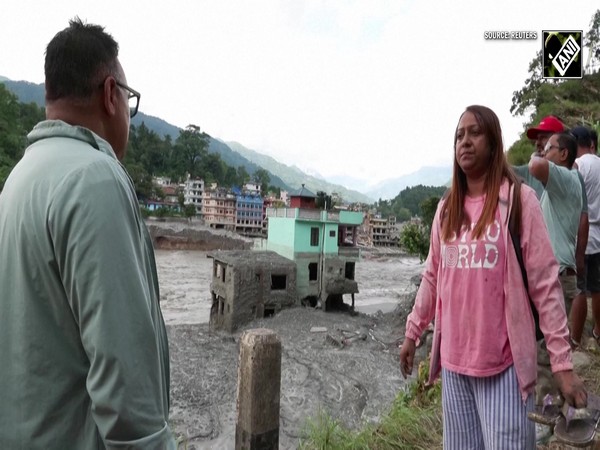
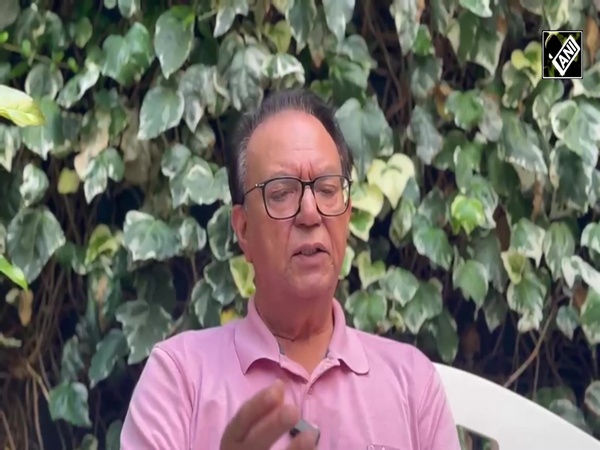
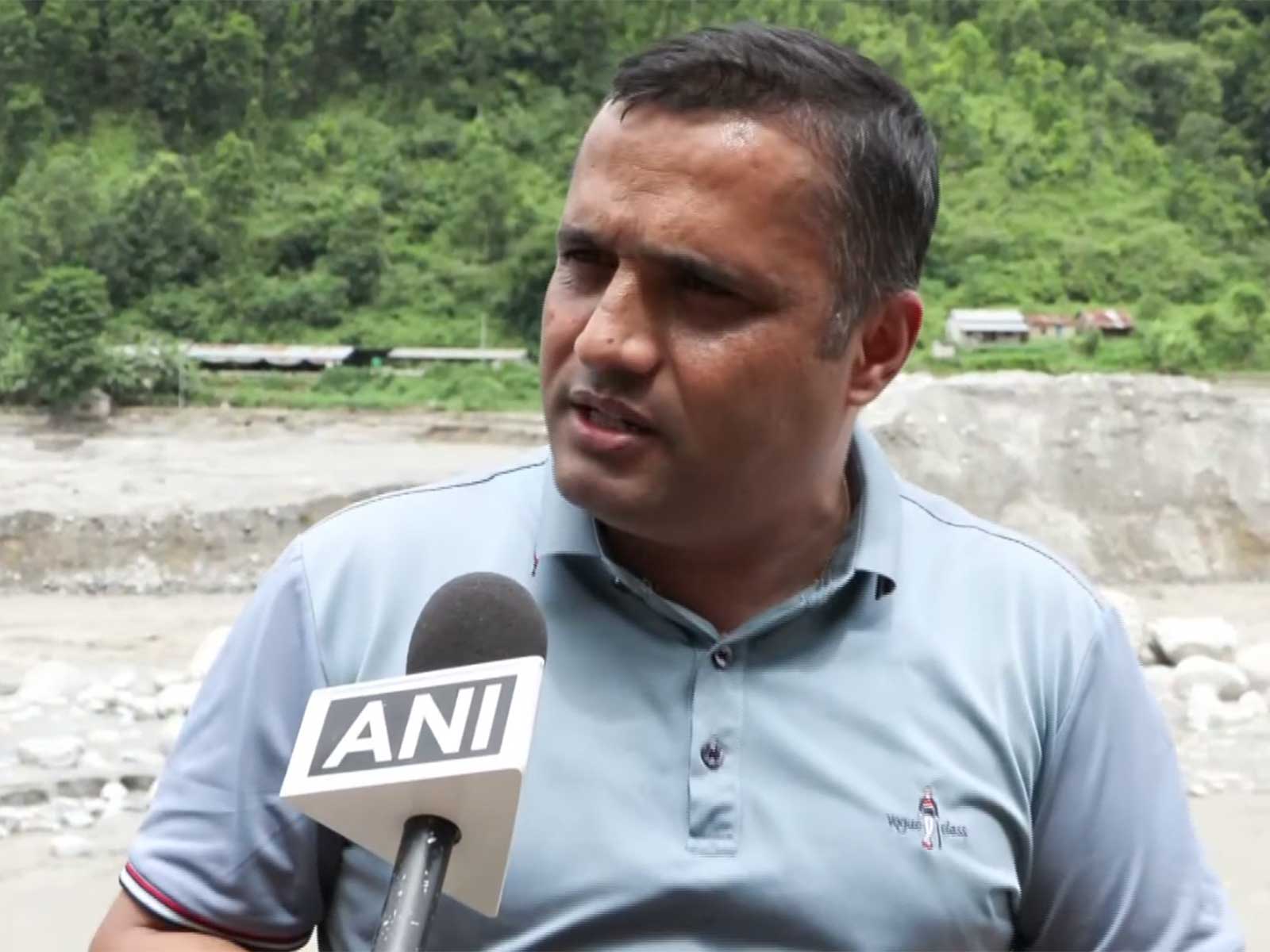
Nuwakot [Nepal], September 1 : Days after the devastating flash floods in Nepal, the Director of the Centre for Disaster Studies at Tribhuvan University, Basanta Raj Adhikari, on Tuesday linked the disaster to climate change along with tectonic and anthropogenic activities in the Himalayan region, calling it an "unprecedented event" in the modern history of the Himalayas.
Speaking to ANI as his team works on the ground to assess the scale of the damage, Adhikari said an ice-rock avalanche had fallen on the northern slope of the Langtang Himal in Nepalese territory.
"The ice-rock avalanche had fell down on the Nepalese territory, northern slope of the Langtang Himal, the mountain, and then all the ice and snow just fell down around more than 1,200 metres, and it just melted, and you had a huge flood," he said, calling it one of the most unprecedented events he has researched.
"If you look at the Himalayan hazard condition, climate change, the tectonic activities, and anthropogenic activities are triggering such a large devastation," Adhikari said, drawing comparisons with similar events in Chamoli and Dharali in India.
However, he noted that the scale of this flood was significantly larger, stating that such disasters are getting increasingly common across the Himalayan region.
"The scale is so high, and that's why I call it the fate of Himalayan people. So it's not only about Nepalese people...this kind of hazard is very unique. But what is unique is that these kinds of events are increasing every year," he said.
Adhikari said the flood's extreme speed left little time for people in its path to react, despite warnings being issued.
"The velocity of the flood was so high, it was 180 or 190 km/h, so that even though we gave some warning to the people, they couldn't actually react. They didn't have sufficient time to do that," he said.
Sharing details about the ongoing fieldwork, Adhikari said his six-member team is part of a larger effort involving multiple groups assessing different aspects of the disaster.
"Government is now doing a rapid damage assessment, and after that we have to go for post-disaster needs assessment for the reconstruction. That's why we are here to assess it from a disaster perspective, and there are other teams also who are checking information about how many people lost their lives, or are missing," he said.
On the exact trigger behind the avalanche itself, Adhikari said that the exact cause is still not ascertained.
"That we didn't know. Still, I am working with more than 50 scientists around the globe analysing this event; we don't know the exact cause," he said.
He outlined two working hypotheses, stating, "One, if you look at the global average of temperature increase, the Himalaya is receiving or experiencing double than the global average; that's the climate change temperature increase might be one. Another one is geomechanical failure. So if you look at the latest photographs, all the rock mass just collapsed, you know. So maybe the joint was formed there, and then the freezing and thawing action of this glacier melt, or the glacier actually triggered that event, but we don't know it."
When asked abou the purpose of the data being collected, Adhikari said it would be shared with the government to guide the ongoing response.
"This is our responsibility to provide the actual figures to the government so that they can act efficiently for rescue, recovery, and reconstruction," he said.
The devastating flood that struck Nepal last week has left 939 people dead, while search operations continue for those still missing. A total of 3,925 people are missing, as per the National Disaster Risk Reduction and Management Authority (NDRRMA), which includes 592 foreign nationals.
Rescue operations are underway in several districts in Nepal, including Rasuwa and Nuwakot. The Indian Embassy in Nepal has issued steps for the identification of the mortal remains of Indian citizens who died in the flood, asking the relatives of the victims to facilitate identification through photographs or by providing DNA profiles.