"DoJ has detailed reasons for dismissal," says US Legal Expert Seth Levine after DoJ detailed reason seeking dismissal of case against Gautam Adani
Jul 06, 2026
New Hampshire [US], July 6 : The US Department of Justice has filed a strongly worded reply to the Judge of the US District Court of the Eastern District of New York which detailed out its reason for seeking the dismissal of its case against Gautam Adani, his nephew Sagar Adani and others.
Legal experts in the US say that the US DoJ has complete discretion to decide on whether it should bring a case or not and in their reply the DoJ had raised questions on the quality of evidence presented to bring the case.
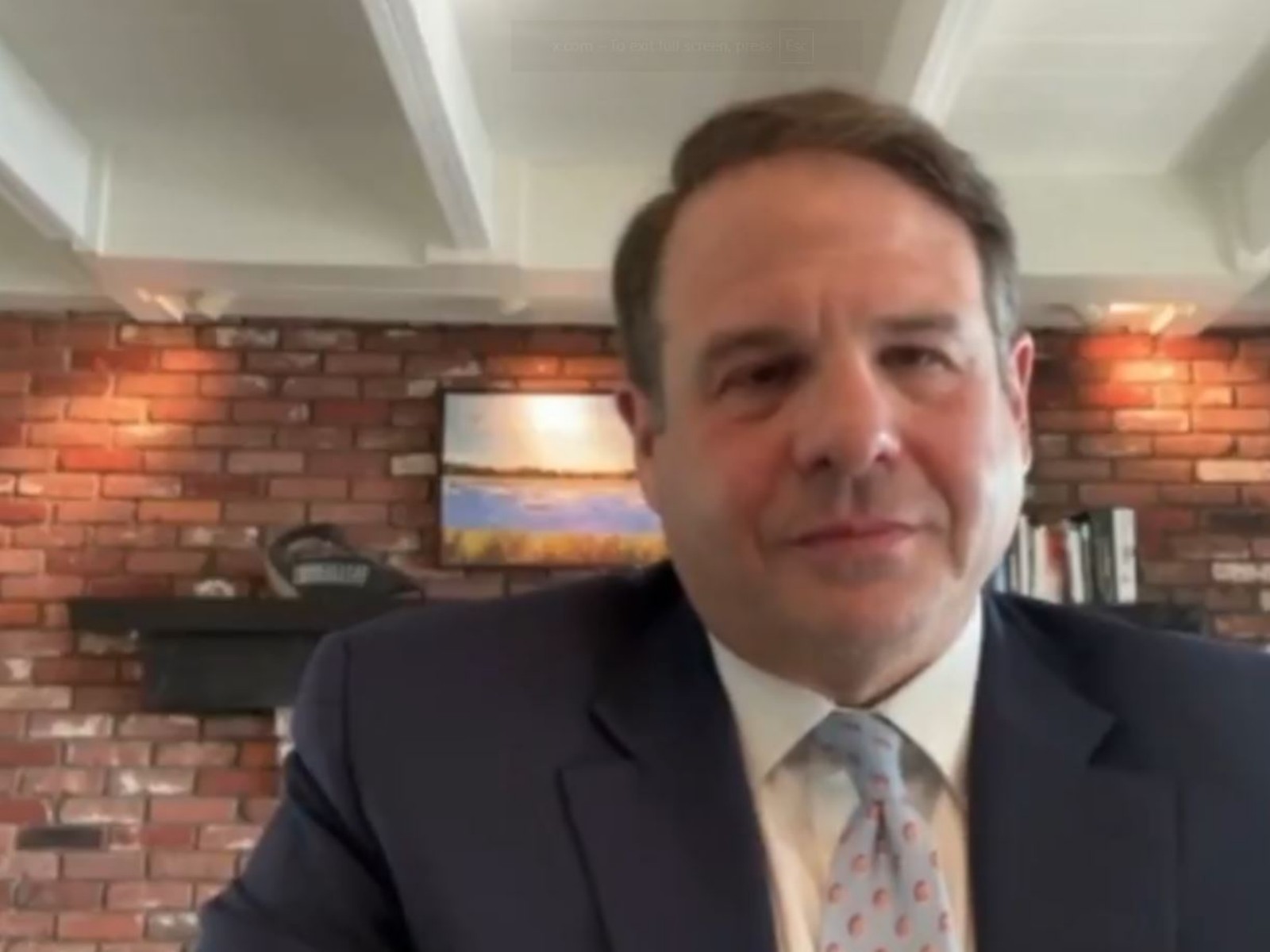
Seth Levine, Partner at Levine Lee LLP says that the prosecutors have exercised this discretion in deciding to seek the dismissal of its case.
"I think that when one steps back and analyses what's happened, one has to understand that first, the Department is taking an important step of dismissing an indictment, which no administration does lightly. In that context, the court has properly asked for an explanation and I think the most important thing is DoJ has provided a fairly detailed explanation of multiple reasons why they believe that it is in the public interest to dismiss this indictment, both legal reasons, policy reasons, procedural reasons, and they've laid that all out. There is another debate in the United States about the role of courts in dismissing indictments because unlike other matters, the role of the courts is limited in these matters. Department, even though it has given a substantive response, staked out its position, not only for this case but for others, that there should be real limits on what the court's discretion is and the inquiry that the court should make here to determine whether or not dismissal is appropriate," he said.
In its reply the US DoJ argues that the prosecution should never have been brought and questioned the legal and jurisdictional basis of the case.
"I think that the key point is the DoJ has laid out in detail, various reasons for dismissal and the standard here really is to establish that there's a good faith, a reason for this rather than having a searching inquiry on every aspect of whether or not someone could second guess the decision. So while I agree with the question, think the key part is the DoJ has laid out a lot of specific reasons of why they think this is the appropriate thing to do at this time, "said Seth Levine.
"If the Department did not have good-faith reasons--substantive reasons, principled reasons--for why the case should be dismissed, that would be something that should trouble all of us. They have a variety of issues that they have raised, and they ask that their discretion be respected...It is part of the standard when it comes to these cases to determine what the defendant's position is. And here the defendant obviously favors dismissal. And the dismissal is with what's called "with prejudice," which means this is not a situation where the government can drop the charge then re-initiate it and, therefore, put the defendant in a position to be victimized again or to be recharged again in a way that's strategic. So that's another way, by agreeing to dismiss with prejudice, that DOJ is acknowledging that it is doing--it is protecting--the defendant's rights," he added.
The US Department of Justice in its reply said that forcing prosecutors to spell out their reasoning in detail could undermine constitutional authority over prosecutorial decisions. Prosecutors say the alleged case took place in India and it was not appropriate for US prosecutors to get into it.
"I think that, the Department now has considerable discretion to decide whether it thinks this case, given its priorities, given its view of the law, is appropriate... in the sense that the DOJ has obviously considered a variety of factors.And they're presenting those to the court. And it will be for the court to decide that that this is being done in good faith. And really, unless the court determines that there is something untoward going on, the standard would require the dismissal of the charges," Seth Levine said.
"If the Department didn't genuinely believe that the case should be dismissed, that would be exactly the problem that we would want to ferret it out. So because the standard here is not to do an inquiry and to second-guess the government's decision, it's to make sure that there's nothing untoward going on and that this is a merits-based decision. Um, and a and the Department has gone a long way here to laying out their their thinking...I'm sure he (the judge) will take great care in reviewing the papersreviewing the submissions and the law. If he has additional questions or concerns, I'm sure he'll raise them. But the the standard here is one that favors the Department. And the court will recognize that it's important to move things alongas quickly as possible without sacrificing the quality of a thoughtful judicial decision. And I have no doubt that this court will give one, " Seth added.
The case against Gautam Adani and others had alleged a bribery scheme linked to solar power contracts in India which further allegedly misled US investors. In May this year the US DoJ had moved to dismiss these charges following which the US Court of the Eastern District of New York has sought a reply from the DoJ. With that reply cementing the US DoJ's position, legal experts argue that the Judge in all likelihood would back the DoJ stand.